UK tells Trump to get lost on NATO and demands BBC overhaul
Political self-knowledge
Know where you stand
The same 8 referendums every UK voter answers today — vote them all and we write your political profile, in plain words.Today's ballot: the same 8 referendums every voter in the UK answers today. Vote them all and we write your political profile — where you really stand, in plain words.
9,072votes in the last 24h
What is refnation? →No account needed
Today's ballot
9,072 votes in 24h0 / 8
 01/ 08
696 VOTES SO FAR · VOTE TO SEE THE RESULT
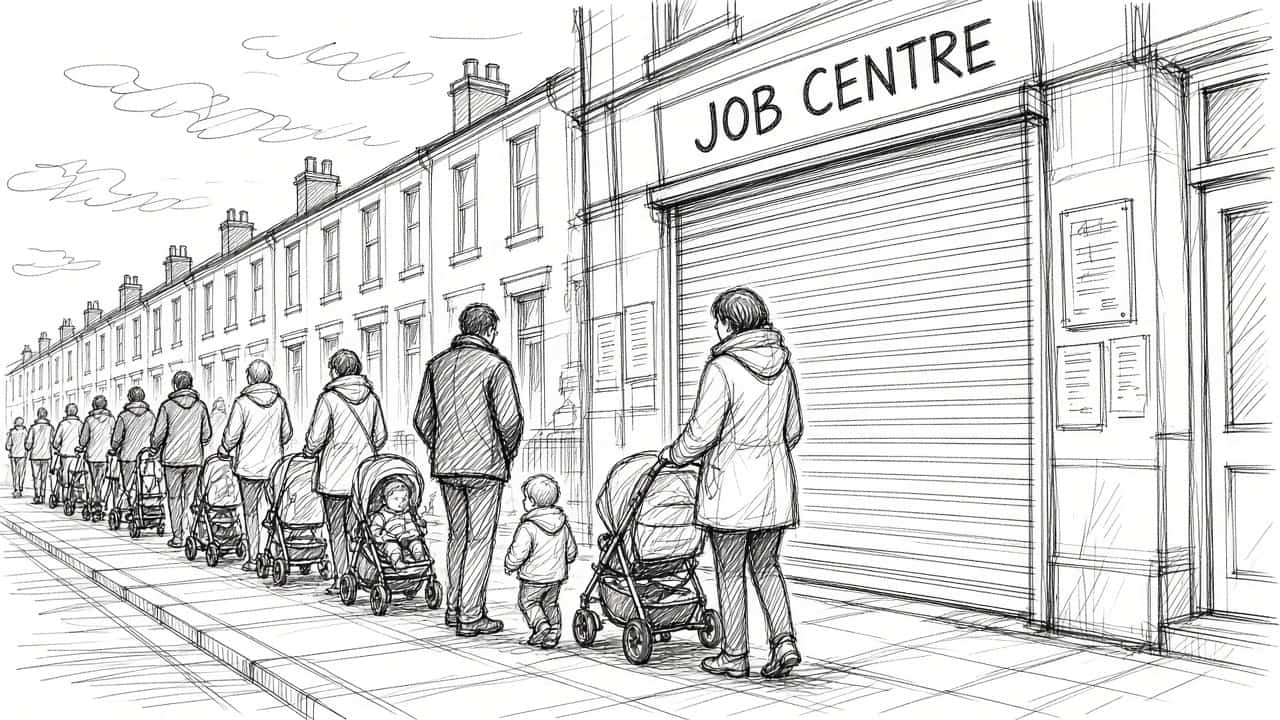
Should parents of children who commit criminal offences have their benefits cut?
The UK government is strengthening parenting orders so parents of children who commit crimes or cause anti-social behaviour must attend counselling or face fines up to £1,000 and, in extreme cases, jail. Use of these orders has fallen sharply from over 1,000 in 2009/10 to just 33 in 2022/23. Recent reforms focus on earlier family intervention and support rather than cutting benefits to children, with policy instead aimed at reducing child poverty through measures such as scrapping the two-child benefit limit.
 02/ 08
699 VOTES SO FAR · VOTE TO SEE THE RESULT
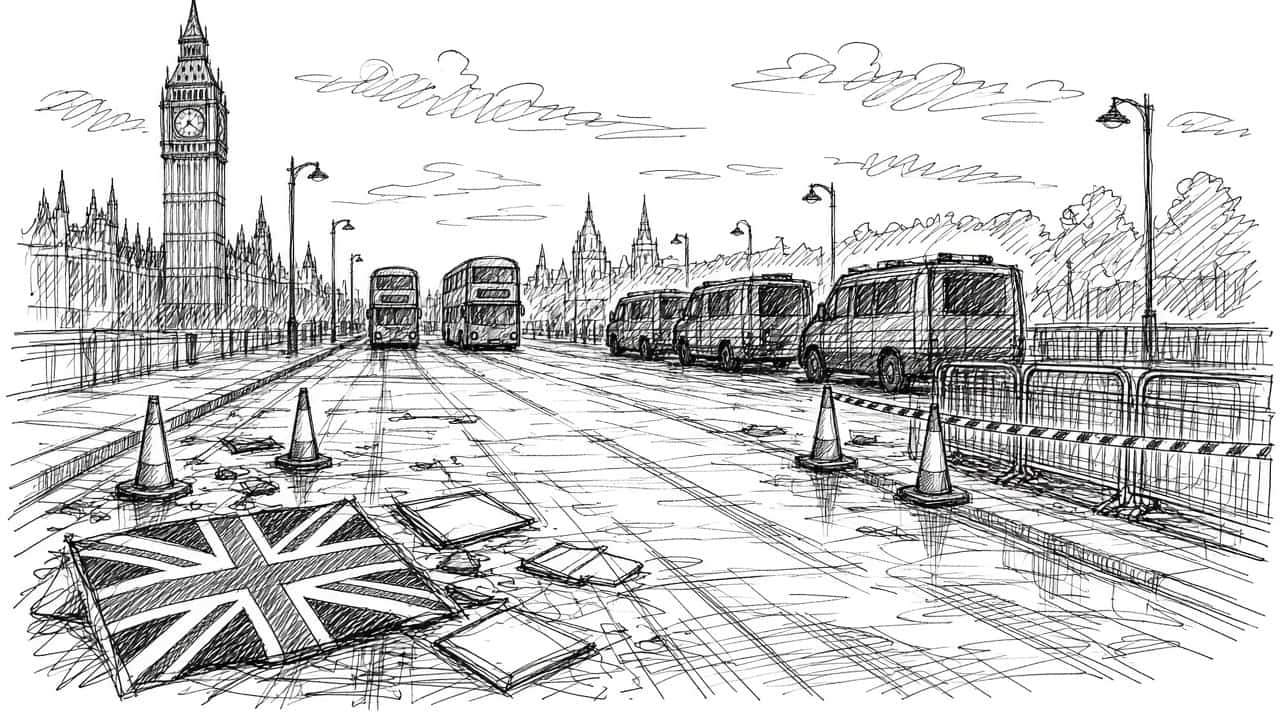
Does the UK need new laws to ban marches and protests about foreign governments' actions abroad?
UK police can already impose conditions or ban specific marches under the Public Order Act 1986 if they risk serious disorder, as seen with the 2026 ban on the Al Quds Day march linked to Iran. Recent laws like the Crime and Policing Act 2026 and National Security (State Threats) Act 2026 grant more powers against disruptive protests, face coverings, and foreign state-backed groups. Large pro-Palestine marches since 2023 have sparked debate over antisemitism, cumulative disruption, and free speech limits.
 03/ 08
686 VOTES SO FAR · VOTE TO SEE THE RESULT
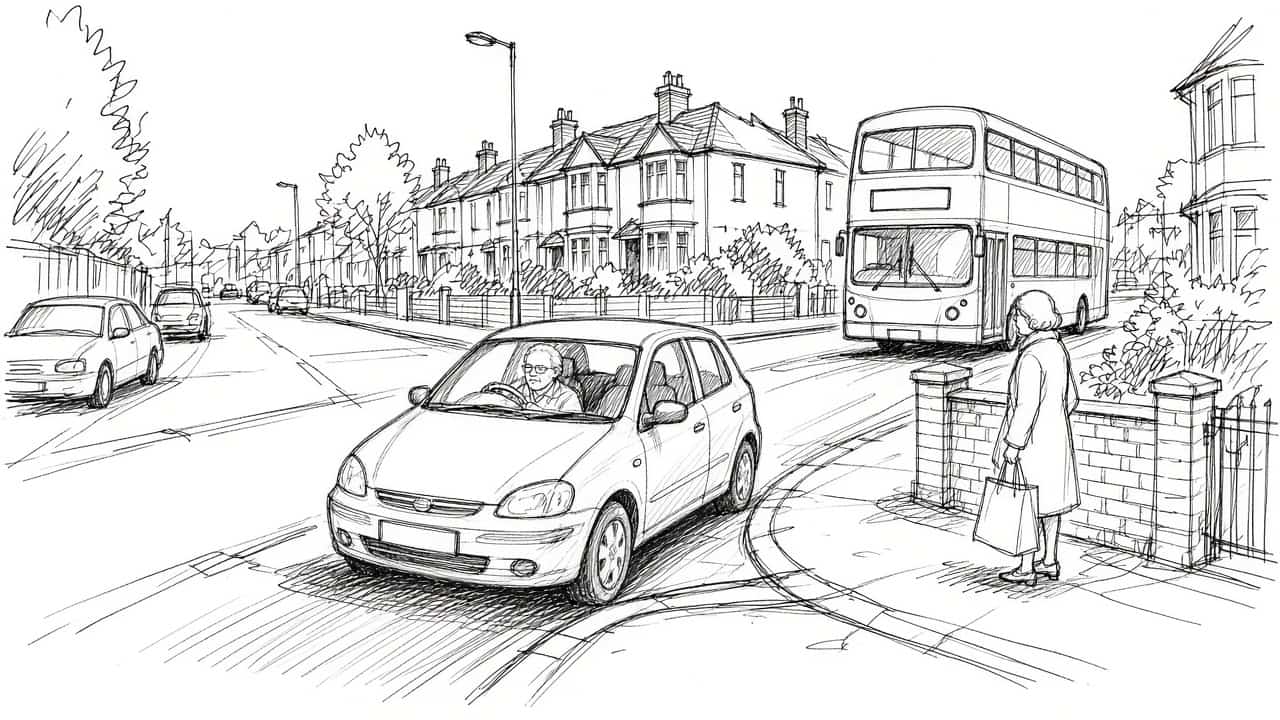
Should over‑65s take a driving test refresher every 5 years?
UK drivers renew their photocard licence every 10 years until age 70, then every 3 years with a self-declaration of meeting eyesight standards and no relevant medical conditions. A 2026 government consultation proposed replacing self-declaration with mandatory eyesight tests for over-70s at each renewal to improve road safety. Public surveys show 60-70% of motorists support some form of regular reassessment for older drivers due to age-related declines in reaction times, vision and cognition, while older respondents and groups like Age UK highlight risks of isolation if licences are lost.
 04/ 08
681 VOTES SO FAR · VOTE TO SEE THE RESULT
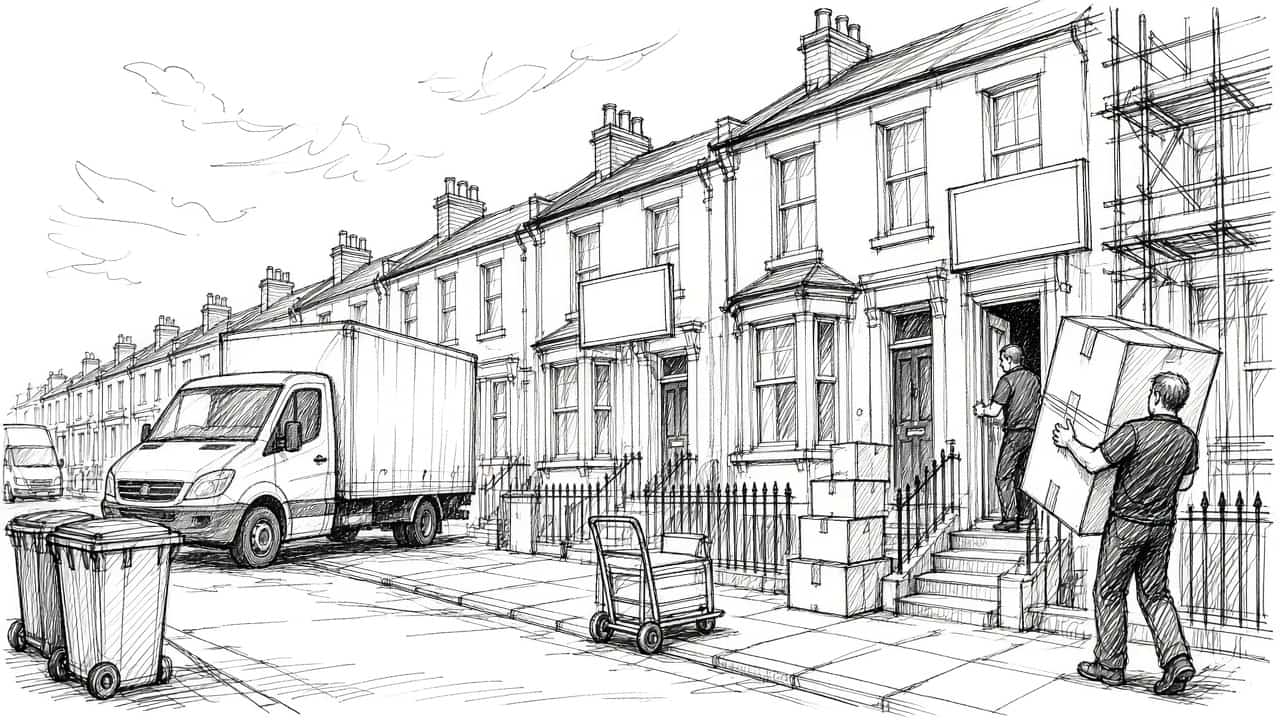
Should stamp duty thresholds be raised to boost the housing market?
In England and Northern Ireland the nil-rate threshold for Stamp Duty Land Tax stands at £125,000 for standard buyers and £300,000 for first-time buyers following its reduction from temporary higher levels in April 2025. House prices have risen substantially since the bands were last permanently adjusted, pulling more transactions into tax and increasing average bills. Industry groups, housebuilders and MPs argue that raising thresholds would cut costs for buyers, boost transactions and support government housebuilding targets ahead of the October 2026 Budget.
 05/ 08
680 VOTES SO FAR · VOTE TO SEE THE RESULT
Has DEI hiring lowered professional standards in government departments?
Government departments including the Treasury removed numerical and verbal reasoning tests from graduate recruitment after finding they had an adverse impact on ethnic minority candidates, leading to increased diversity in hires but criticism that this prioritised ethnicity over competence. The NHS has continued advertising high-paid DEI roles and used practices like the Rooney Rule to ensure ethnic minority shortlisting despite ministerial calls to cut such initiatives and focus on patient care. Civil service diversity statistics show rising ethnic minority and disability representation, yet reports highlight concerns over grade inflation and diluted expertise requirements.
 06/ 08
655 VOTES SO FAR · VOTE TO SEE THE RESULT
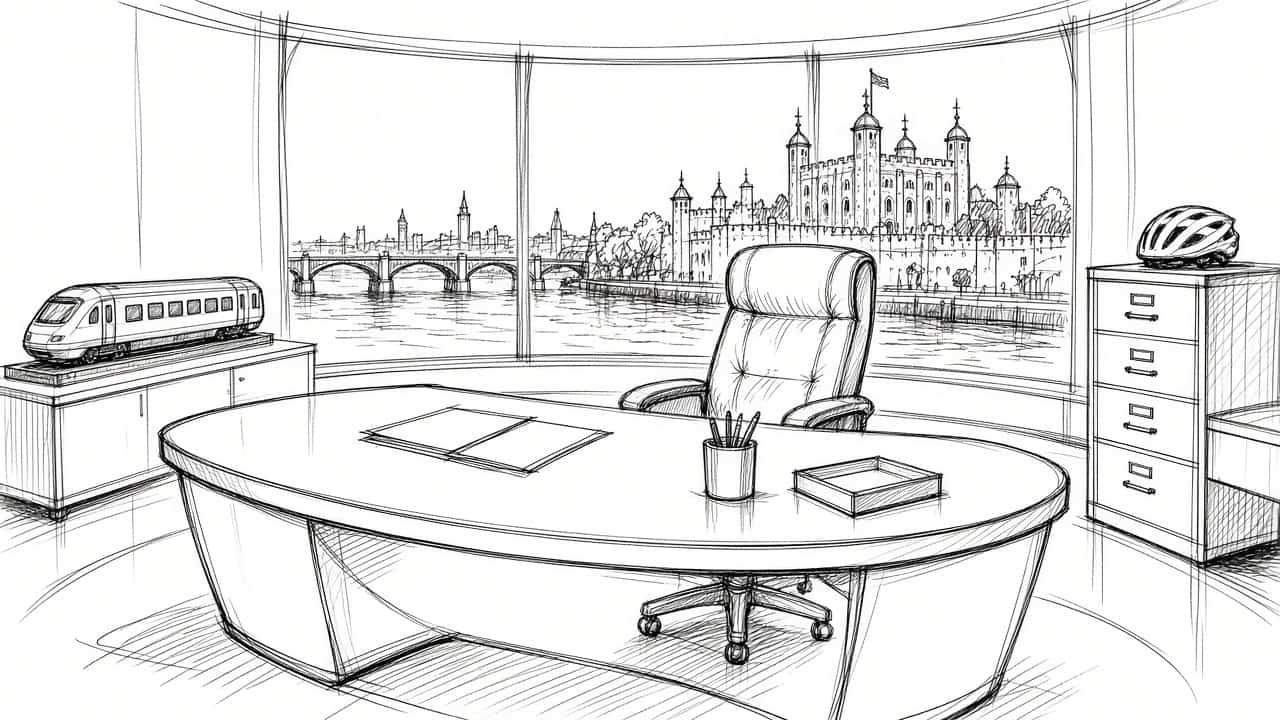
Should Sadiq Khan have been given a peerage?
Sadiq Khan was nominated for a life peerage by outgoing Prime Minister Keir Starmer in July 2026 as part of a list of 26 new peers. He was created Baron Khan of Tooting and sworn into the House of Lords on 15 September 2026 while continuing as Mayor of London. Supporters cite his record on crime reduction, air quality, housing and infrastructure as justification.
 07/ 08
646 VOTES SO FAR · VOTE TO SEE THE RESULT
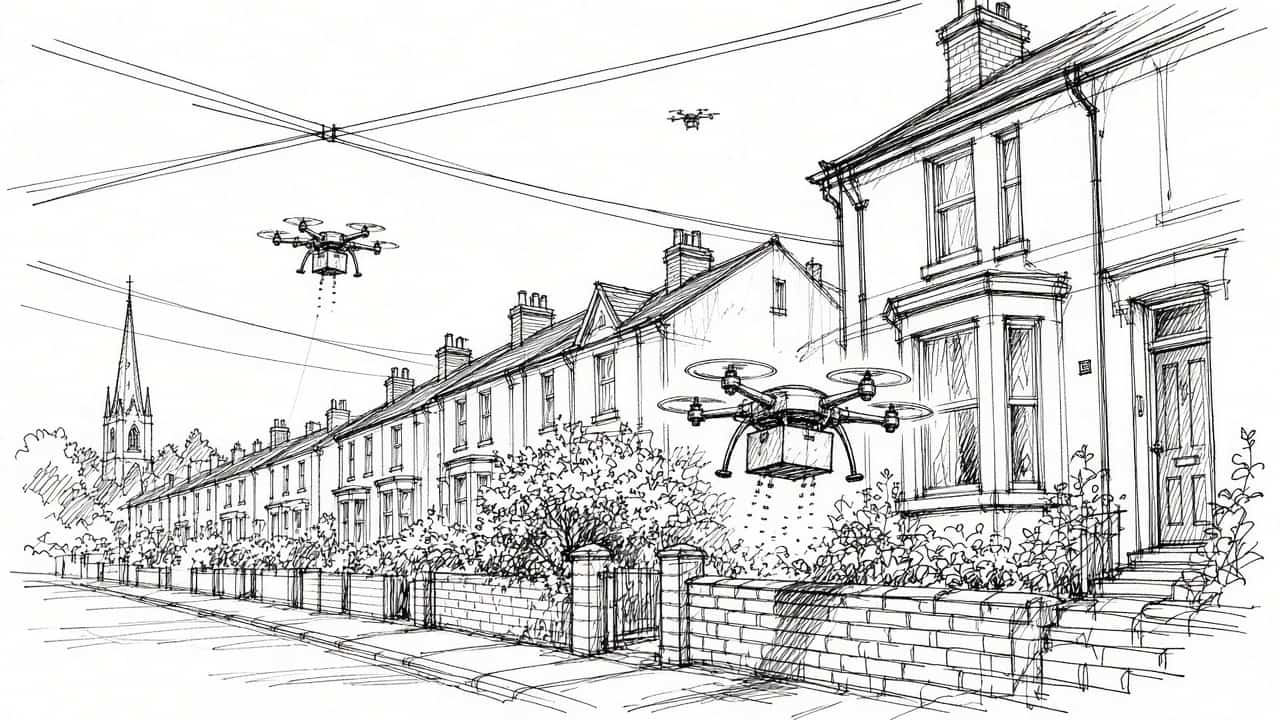
Should the UK approve routine nationwide aerial drone deliveries by 2027?
Amazon is trialling drone deliveries in Darlington after completing over 500 flights, seeking CAA approval to cover the whole town with packages under 5lb delivered in under two hours. The government has invested nearly £50 million in 2026 to support drone regulation, BVLOS operations and infrastructure for commercial uses including deliveries. Current rules require Specific Category authorisation for most drone deliveries with full nationwide routine use still years from approval.
 08/ 08
668 VOTES SO FAR · VOTE TO SEE THE RESULT
Should Britain freeze diplomatic relations with countries which make claims on British territory?
Britain maintains sovereignty over 14 Overseas Territories including the Falkland Islands, Gibraltar and the British Antarctic Territory. Argentina has escalated its claims on the Falklands in September 2026 with new laws imposing fines and prison terms on oil firms operating there, alongside recent naval announcements. A 2025 treaty to transfer the Chagos Islands to Mauritius has been paused amid US opposition, while other long-standing claims persist on Gibraltar and in Antarctica.