Know where you stand
The same 8 referendums every UK voter answers today — vote them all and we write your political profile, in plain words.Today's ballot: the same 8 referendums every voter in the UK answers today. Vote them all and we write your political profile — where you really stand, in plain words.
No account needed
Today's ballot
 01/ 08
Should the UK government enter formal talks with Caribbean nations on reparations?
Caribbean nations via CARICOM are drawing up an action plan with legal options to push the UK into negotiations on slavery reparations. They aim to raise it at the November 2026 Commonwealth summit with the King. The UK government under Prime Minister Andy Burnham maintains it does not and will not pay reparations.
 02/ 08
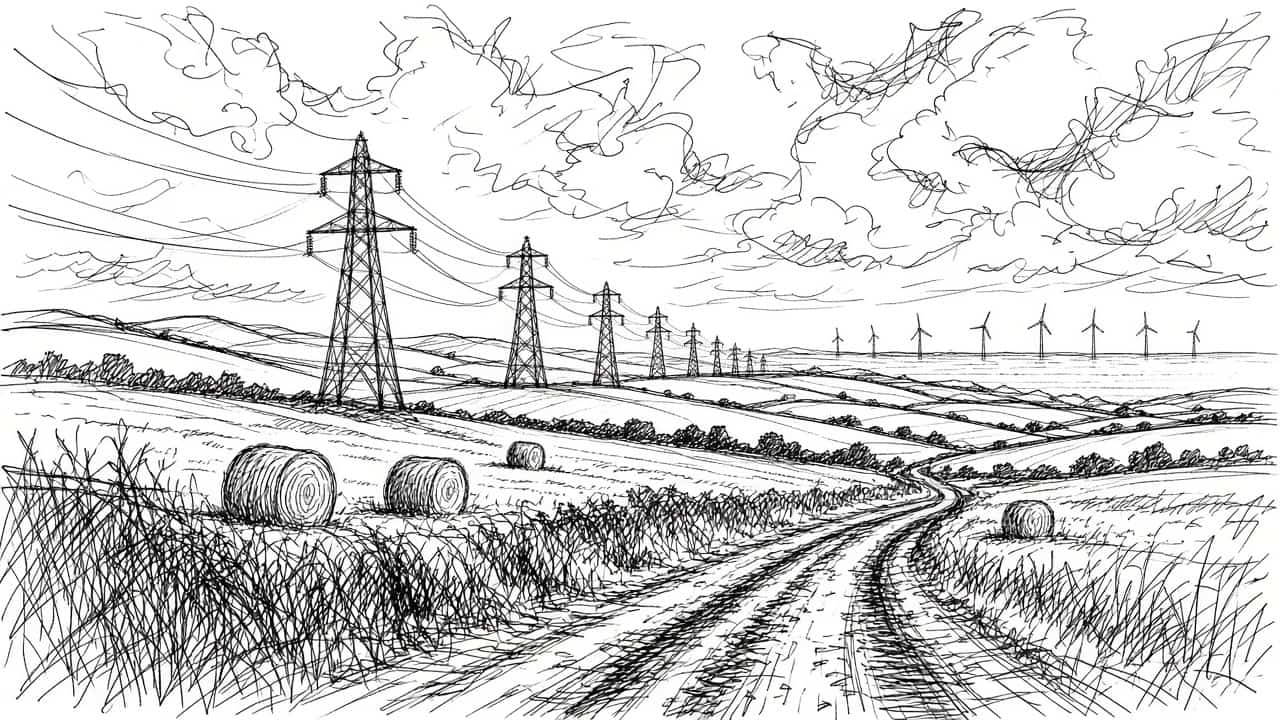
Has the term 'net zero' become too toxic for the UK government to keep using?
An influential cross-party committee of MPs has recommended that the government drop the term 'net zero' from the Department for Energy Security and Net Zero's name and communications. The committee argues the phrase has lost positive associations, become a lightning rod for opposition amid cost-of-living pressures, and is now a distraction from the energy transition. Prime Minister Andy Burnham has reaffirmed commitment to reaching net zero emissions by 2050 despite opposition from the Conservatives and Reform UK.
 03/ 08
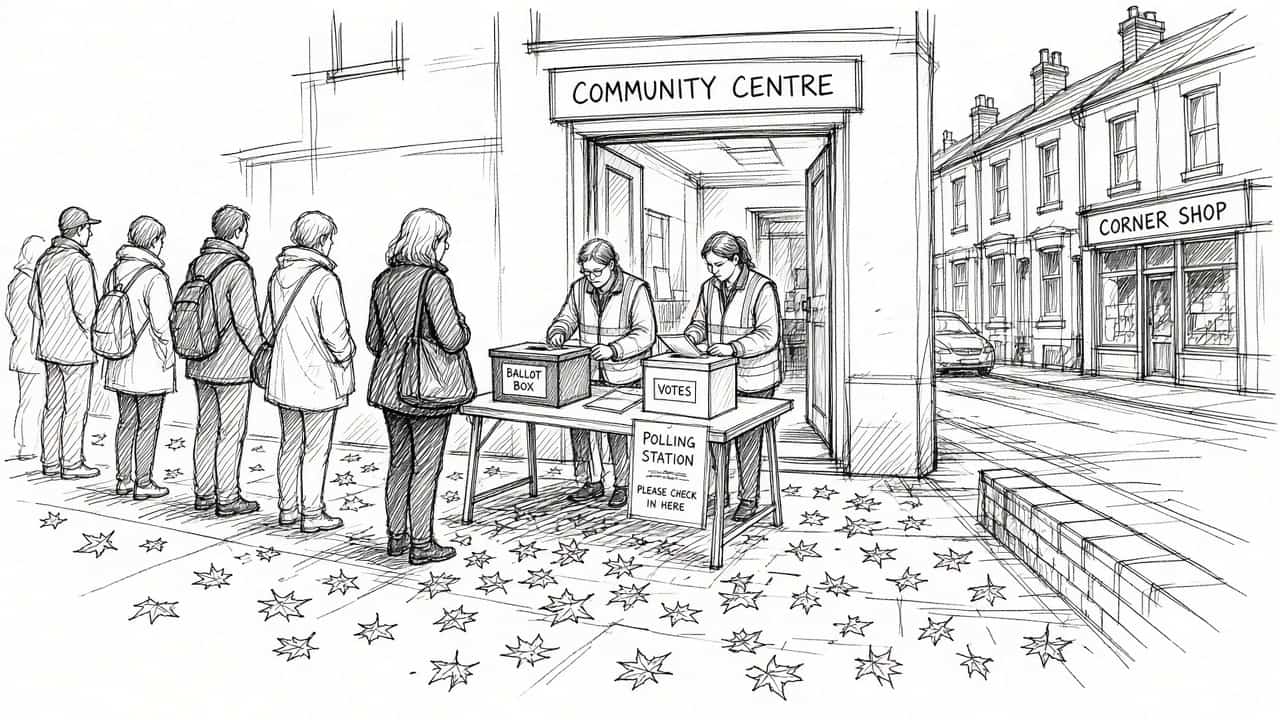
Should buyers compensate sellers if they pull out of a house purchase before contracts are exchanged?
In England and Wales an accepted offer on a house is not legally binding until contracts are exchanged. Buyers can withdraw at any point before then without compensating the seller for costs such as legal fees or surveys. Around one in four agreed sales falls through before completion. The government announced 2026 reforms to introduce earlier binding conditional agreements and seller sales packs but these are not due until 2029.
 04/ 08
Should Labour, the Liberal Democrats and the Greens form a progressive alliance?
Reform UK and Labour are polling between 23% and 29% each in September 2026, with the Conservatives on around 20%. Reform has received large donations including £72 million from two crypto-billionaires, boosting its campaign resources ahead of the next general election. Cross-party talks and calls for tactical voting among Labour, Liberal Democrats, Greens and others have grown since 2025 to prevent a right-wing government under first-past-the-post, though formal pacts remain divisive.
 05/ 08
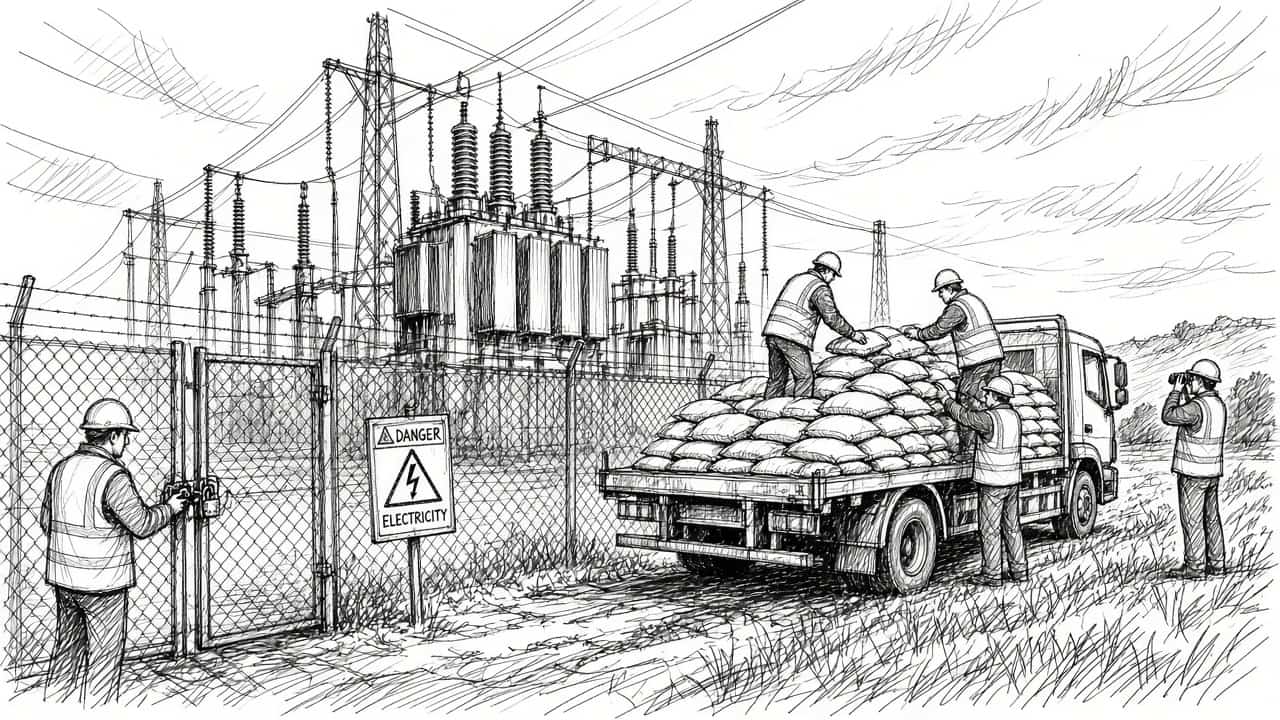
Should the UK train a civilian reserve now rather than wait until war makes mass mobilisation necessary?
The 2025 Strategic Defence Review recommends developing options for a new civilian force modelled on the Reserves to protect critical national infrastructure during crises, with plans due by December 2026. The government is expanding the strategic reserve of 95,000 veterans, raising the recall age to 65, and will test large-scale mobilisation in 2027 exercises amid heightened tensions with Russia. It has ruled out compulsory service while promoting voluntary schemes and home defence preparations.
 06/ 08
Should being an MP disqualify you from taking paid second jobs?
MPs may currently hold paid second jobs provided they register earnings over £300 from any one source per year and do not offer paid parliamentary advice. Since July 2024 over 300 MPs have declared £10.2 million in outside earnings, with the highest earners including Rishi Sunak and Nigel Farage. A private member's bill introduced by Richard Burgon in July 2026 and a Westminster Hall debate seek to prohibit most paid outside work, while the government has committed to a ban outside very limited exceptions such as maintaining professional qualifications.
 07/ 08
Should the government make student loans interest-free for students studying STEM degrees?
UK student loans for undergraduate degrees currently carry interest linked to RPI inflation. For the 2026/27 academic year starting 1 September 2026, Plan 2 loans (most common for degrees since 2012) are capped at a maximum 6% despite RPI at 4.1%. STEM subjects such as science, technology, engineering and maths are identified as priority areas by government due to skills shortages. The total higher education loan book exceeds £294 billion with ongoing debate about fairness of interest charges.
 08/ 08
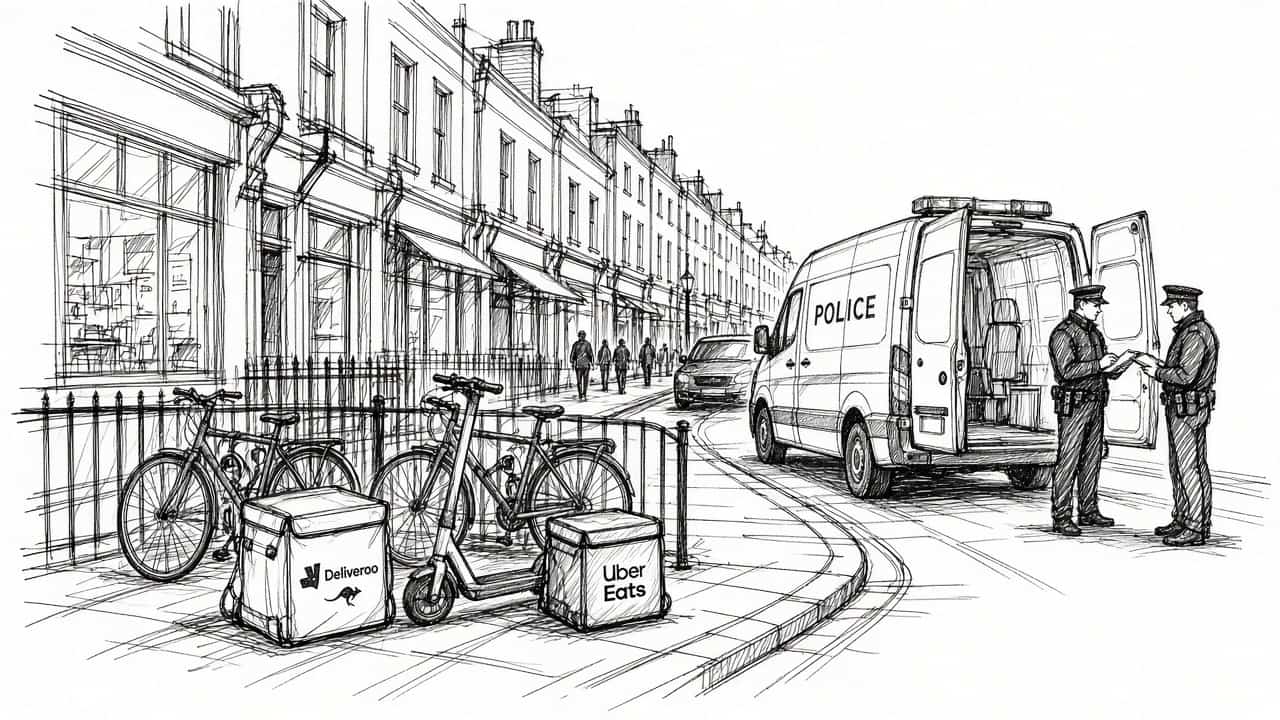
Should delivery firms, like Uber Eats, face bigger fines over couriers working in the UK illegally?
From 1 October 2026 gig economy platforms including Uber Eats, Deliveroo and Just Eat must carry out right to work checks on couriers or face civil penalties of up to £60,000 per illegal worker plus possible criminal sanctions. Police operations have found around one in ten delivery riders stopped were working without authorisation, often via shared or rented accounts. The government extended the scheme to close a prior loophole that treated many gig couriers as self-employed.