Should housing benefit always be paid directly to landlords instead of tenants?
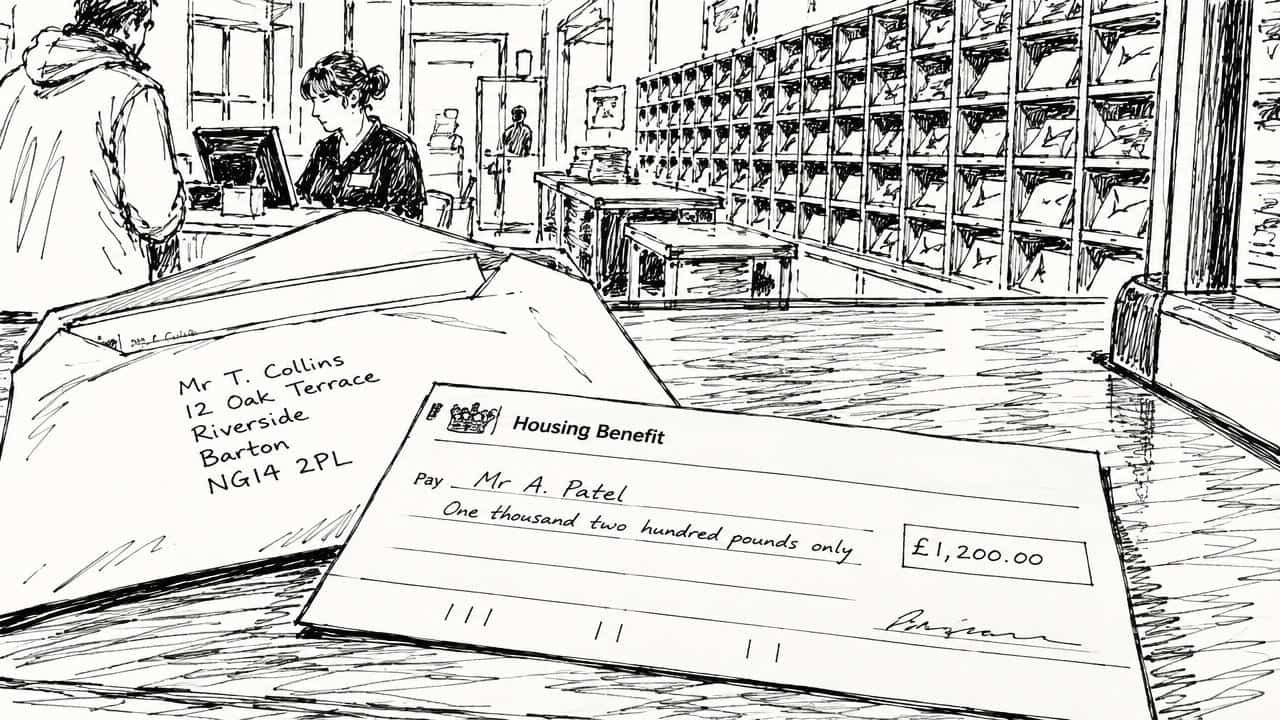
Housing benefit for the small number of remaining claimants and the housing element of Universal Credit for most private renters is normally paid to the tenant, who is then responsible for paying the landlord. Direct payment to the landlord is available only as an exception in cases of significant rent arrears (usually eight weeks for legacy housing benefit or two months for Universal Credit) or demonstrated tenant vulnerability. The policy aims to promote tenant responsibility while protecting landlords from losses in high-risk cases.


33 Opinions
It's not their money to choose to spaff it on booze and fake nails.
If the tenant fails to pay their rent using housing benefit and is in arrears then the landlord can already apply to have the rent paid directly to them. Sadly some tenants do not have self control over their finances or are in situations where the HB is used for the wrong purpose or extorted from them in which case it can be better to have the rent paid directly to the landlord.
Housing benefit is for accommodation so giving it directly to the landlord ensures the tenant receiving benefit, retains a place to live.
Yes, though that landlord should be a housing association and the rent should be discounted from market rate. A good old fashioned council estate for teachers and nurses.
Landlords regularly overcharge for property rent when they know the council is paying directly to them through a benefit. How about build more council houses out and cut the parasites out .?
I put yes as no real reason for payments not to be paid direct. I would sooner housing benefit was used for council/housing associations only as money stays in system. I know need more social housing stock.
There should be no dispute about this as if it’s not paid directly then it’s likely that Landlords won’t be paid. Activists will then scream & shout about ‘working people’ being pursued by evil Landlords. I find it bizarre how Socialism continually denies agency to people and wants to control their lives yet such a policy is presented as giving people ‘financial independence’. It’s hatred of private provision of housing & that irrational obsession drives nonsensical solutions
Whilst I can see the benefits to landlords of this policy I voted no. There is no merit in infantilising claimants. Paying to the claimant gives them the need to have financial discipline in budgeting and prioritising. Lessons that the government should also heed.
I understand the idea of people in receipt of benefits being made to be financially independent and give those control over paying their own rent but it feels like it's open to abuse and we have to draw the line somewhere. The money is intended for landlords to house those on housing benefits, why do we need to go through the farcical parade of paying the tenant to then pay the landlord.
Housing Benefit is taxpayers’ money intended to pay for housing. It should go directly to the landlord, ensuring the rent is paid and the tenancy secured. Tenants gain a roof over their heads, landlords gain certainty, and taxpayers gain confidence that public money is being used for its intended purpose. It is a simple principle: public support should deliver the result it was designed to achieve.