What stands out in this vote is not the comfortable national margin but the odd hole in the middle of it. Voters backed a national housebuilding programme for social rented homes by well over two to one, yet the 35-44 bracket bucked the trend hard, rejecting it three to one while every other age group, from teenagers to pensioners, swung decisively behind it.
That anomaly gives the result its texture. The 45-54s were unanimous for the scheme, the 55-64s backed it comfortably, and even the youngest voters leaned yes — an unusual alliance of the pre-retired and the rent-squeezed young against a single band of mortgage-holding, possibly homeowning, parents in their late thirties and forties who may see less to gain from expanded social housing. Men were somewhat keener than women, who were split exactly down the middle.
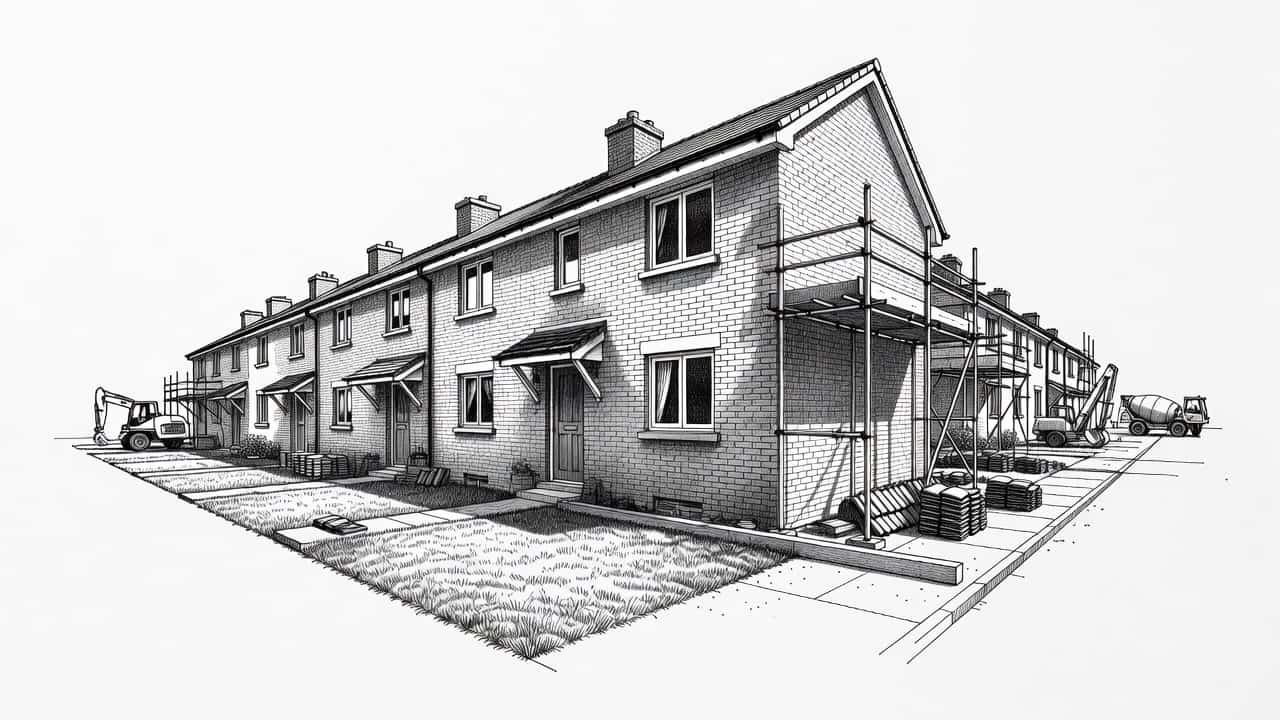
The fault line echoes Britain's long-running housing argument: whether the state should build again at scale, as it did before Right to Buy hollowed out council stock, or whether supply is best left to the market and planning reform. A UNISON-backed call for direct public investment in social rents was always likely to test that divide, and it has.
That the strongest resistance comes from those often paying private rents or servicing mortgages, rather than the young who might benefit most, suggests the politics of housing scarcity cut in unexpected directions.






2 Opinions
No more handouts to the lazy class.
Only give them to migrants