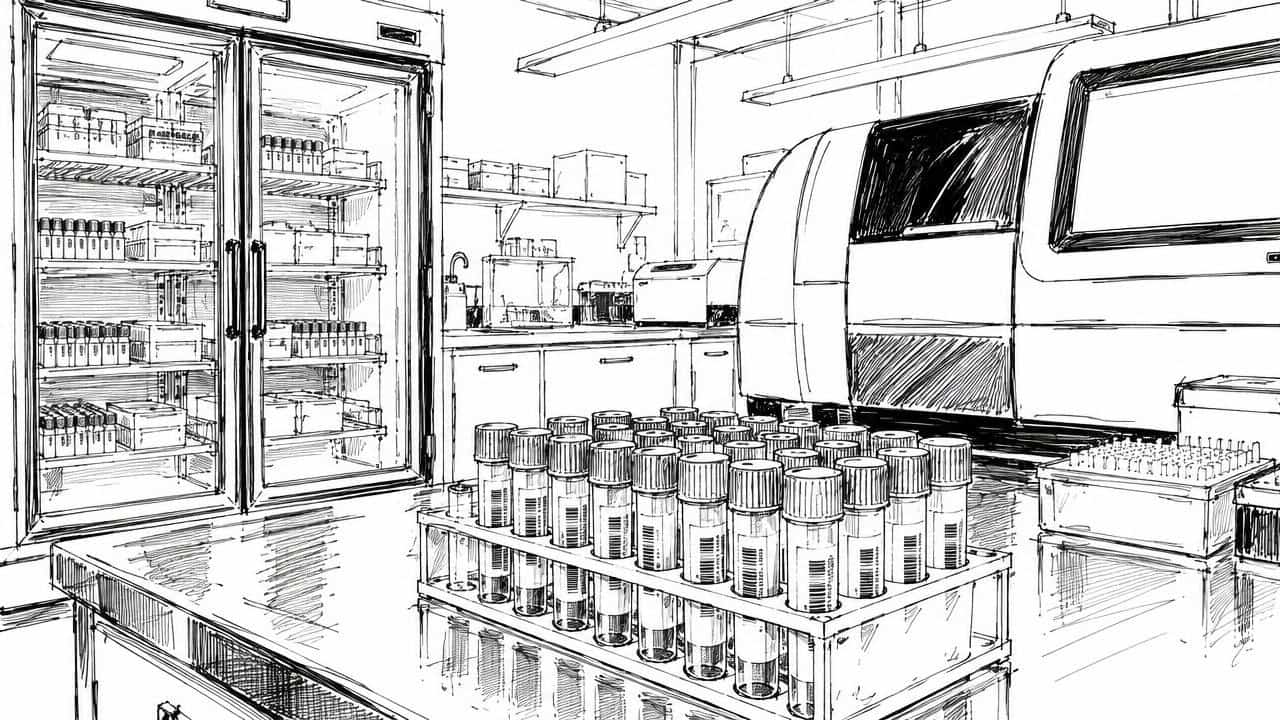
Should every UK resident’s DNA be held on a national database?
The UK maintains the National DNA Database (NDNAD), which holds DNA profiles primarily from individuals arrested for recordable offences, crime scene samples and some convicted persons under rules set by the Protection of Freedoms Act 2012. Profiles from those not charged or acquitted must generally be deleted, while those from convicted individuals can be retained indefinitely. A universal database covering every resident does not exist and would require new primary legislation to compel sampling and storage from the entire population.


13 Opinions
This is a "Yes, but". It is critical that the database remains purely DNA fingerprinting (STR profiling such as DNA-17, DNA-20+ & Y-STR) & not DNA sequence data. Fingerprinting is excellent in detection (1 in a billion for DNA-17, 1 in a trillion for DNA-20+), but DNA sequence data could be used for nefarious means, & the risk of it falling into the wrong hands is too high (foreign adversaries, insurers & usurers).
Creating a central repository of such valuable information is asking for trouble.
This country is turning into "1984."
We start with illegal migrants, then prisoners
In an era where crime is rampant. The idea that we wouldn't use every tool available to protect people seems wrong to me. I would include new arrival by boat for this, not just for citizens. It's time we start putting justice ahead of the "rights" of criminals.
Just feels like a breach of civil liberties. The thing that would worry me is that from a pure statistical point of view, when you run partial crime scene samples against 68 million profiles, you guarantee statistical false matches, which will be dragging innocent people into murder inquiries because they have a partial match to DNA at a crime scene. Seems a bit dystopian.
I’m saying NO because I don’t trust the ‘bar-stewards’ in charge not to misuse the info. I think one should be tested for self and family though.
The scientist in me would have loved this. Archaeology. Medicine. Anthropology...etc etc etc. But have you listened the predator class on this?! Absolutely unhinged eugenics, looking for the god-gene, super race breeding psychotic rhetoric, with the billions to do it. So. No thank you very much - until we are collectively all human, in pursuit of knowledge just for fun, again. 😊 Edited
Feels like something ominous for innocent people the have it collected
It should be built up over time, starting with every asylum seeker and immigrant. Then every criminal investigation and NHS user, plus every birth and hospital use. Once built so many crimes would be solved and repeats prevented the cost would be worthwhile. The only people disadvantaged would be criminals.