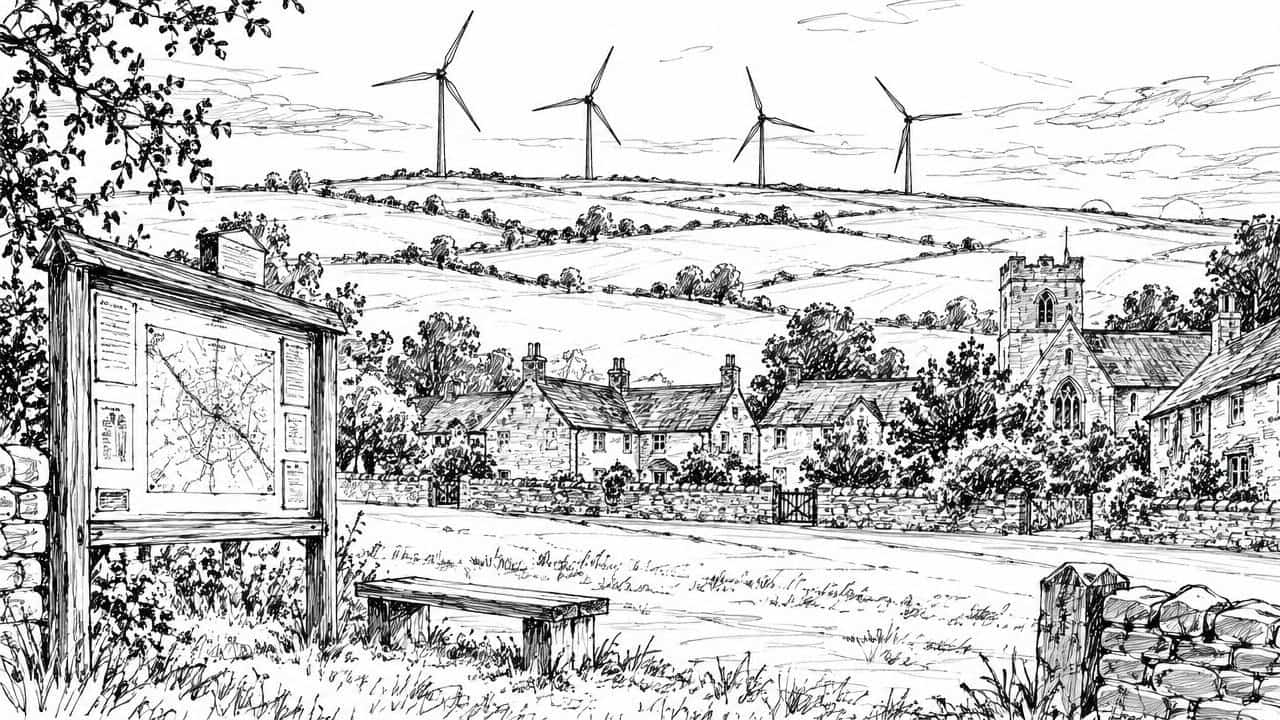
Should local communities be able to block onshore wind farms near them?
Onshore wind developments in England above certain thresholds are now often decided as Nationally Significant Infrastructure Projects by the energy secretary rather than local councils, following the 2024 lifting of prior planning restrictions that gave communities effective veto power. Local views, environmental impacts and technical concerns such as radar interference are considered in planning but do not automatically block projects. The UK government aims to double onshore wind capacity by 2030 to support renewable energy targets.


28 Opinions
We are an island surrounded by water - there is zero need to have wind farms on land. To add, we should be manufacturing our own turbines here in the UK by British companies (I know parts are made here, but mostly owned by overseas companies). The govt brags about Britain being a world leader in deploying offshore turbines, but that's like saying we're great at building Lego (funnily enough a Danish company just like one of the turbine manufacturers)
I was in 2 minds on this one. NIMBYism and a broken planning system are a large part of why the country is in such a mess. It makes it too expensive and difficult to build housing and infrastructure. But wind turbines are not a good energy source. If going renewable far better to use solar. For now as well we have no way to deal with the intermittency of renewables other than gas backups, so better to have nuclear power
I voted yes but I am really voting No to wind farms. I'm not convinced about whether they are the best solution. Bring on the Small Modular Reactors instead.
End Nimbyism at all costs.
Not green, not renewable, harms environment, visually intrusive, cannot be recycled, serious noise pollution, not sustainable, not cheaper as infrastructure or in operation cf with despatchable energy sources, destroys thousands of birds & don’t produce anything like their design capacity. So for something that does not in reality “does what it says on the tin” it is a serious democratic deficit if communities cannot challenge this symbol of Globalust capital & naked lies
Windfarms are ridiculous. They are not economically feasible. The taxpayer currently has to pay Windfarm owners when there is no wind. They are a stupid idea.
Local communities should have a meaningful say over onshore wind farms that fundamentally change their surroundings. National energy needs matter, but they should not automatically override local concerns about landscape, noise and environmental impact. A right to challenge or veto proposals would encourage better siting and genuine community consent. However, that right should not become an absolute veto that prevents clean energy infrastructure everywhere.
I voted YES because where i live has already sacrificed far more than its fair share to onshore wind development. Our landscape is being industrialised by turbines, pylons, substations, battery banks, and access roads at the expense of peatlands, wildlife, heritage and our natural environment. Decisions are increasingly made by central government, overriding local objections and even council decisions, while much of the financial benefit flows elsewhere.
Yes, we should end this obsession with wind farms. Wind energy is not green energy. The amount of steel and concrete used in their creation causes massive pollution. The windmills themselves cannot be reused or recycled at the end of their working life. The number of bird strikes is under-estimated. Why would any community want a wind farm nearby?
Yes. Local communities should have the power to reject industrial-scale wind farms imposed on their countryside. I'd sooner have a Small Modular Reactor nearby, providing reliable baseload electricity, skilled engineering jobs, apprenticeships and long-term investment in the local economy. Energy security matters, but so does democratic consent. Give communities a genuine choice between intermittent generation and infrastructure that delivers lasting economic value.