Verdicts · Energy
Energy referendums: how members voted
Settled referendums
36
since Jun 2026
Votes cast
15,911
all time, on energy
This week
0
votes · 0 referendums settled
Written opinions
522
all time, left by voters
How energy results lean
This week—Last week—All timeCentreVotes each week
0 last week
All-time energy highlights
Biggest landslide
YES 98%
Should the UK adopt a national strategy to cut business energy costs and boost growth?
98% of 50 votes went the same way.
Closest result
YES 50%
Should fracking be allowed?
Decided by 1 vote.
Most debated
YES 71%
Should the UK grant new North Sea licences to reduce reliance on imported oil and gas?
58 written opinions.
The latest verdicts
majority
% voting yes, by leaning
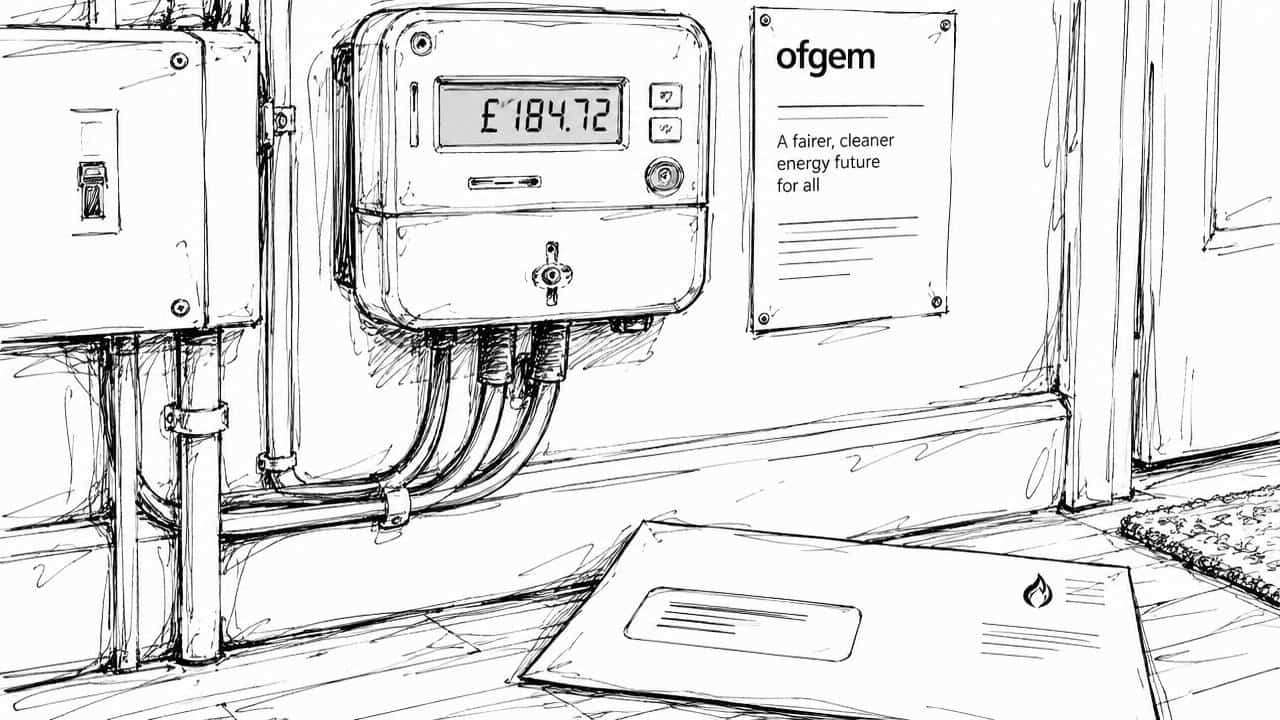
Should energy companies have to pay customers interest on money held in credit?
The verdict
Yes won overwhelmingly, driven by a blunt charge that holding credit is “a scam”. The No side's sharpest worry was whether interest would then cut the other way, on debt.

majority
% voting yes, by leaning
Should fracking be allowed to restart in the UK?
The verdict
A narrow No: fracking stays shut, and the most-respected case against never mentioned earthquakes, arguing that “houses and protection for countryside and wildlife are more important”. Yes voters answered with import bills and a 100-year gas estimate.

majority
% voting yes, by leaning
Should local communities be able to block onshore wind farms near them?
The verdict
A comfortable No victory left the sharpest Yes argument standing: “there is zero need to have wind farms on land”. The clash was less about whether communities should be heard than whether local objections should be able to stop infrastructure serving a national need.
majority
% voting yes, by leaning
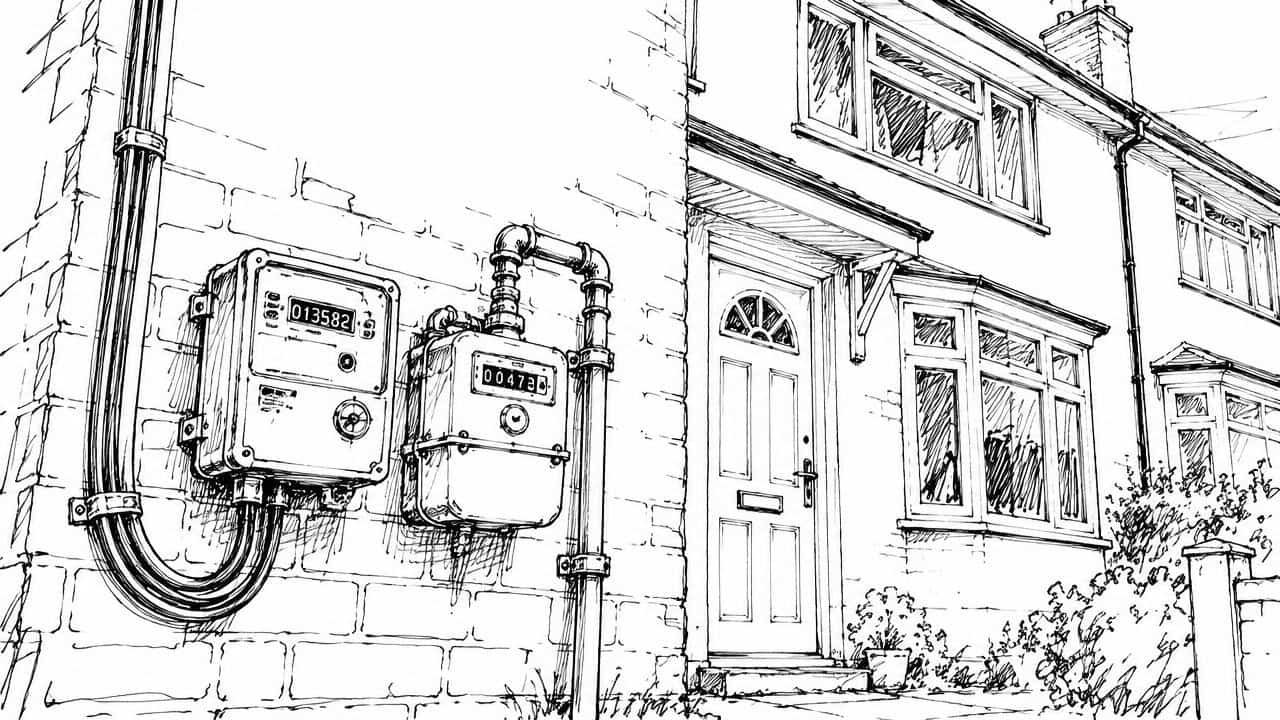
Should energy standing charges be scrapped, so bills are based only on usage?
The verdict
Energy bills should follow consumption, Yes voters said, but even the strongest case for scrapping standing charges wanted the replacement costs ring-fenced and audited. The proposal won overwhelmingly; the argument was less about whether the charges feel unfair than who should pay for the network.

majority
% voting yes, by leaning
Should the UK expand its nuclear power capacity as part of its future energy mix?
The verdict
“I do not like nuclear anything. But needs must” captures the vote’s pragmatic centre: expansion won overwhelmingly, with support shadowed by doubts about cost and delivery.

majority
% voting yes, by leaning
Should the UK release emergency diesel reserves to help lower fuel prices?
The verdict
The reserve’s purpose became the Yes side’s simplest answer — “That's what they're there for” — but the best-respected No argument was that this shock might not be the worst one. Yes won comfortably.
Every energy verdict
- Should energy companies have to pay customers interest on money held in credit?YES 84%1,624 votes · 12 Oct
- Should fracking be allowed to restart in the UK?NO 53%1,608 votes · 12 Oct
- Should local communities be able to block onshore wind farms near them?NO 57%1,517 votes · 11 Oct
- Should energy standing charges be scrapped, so bills are based only on usage?YES 81%1,611 votes · 9 Oct
- Should the UK expand its nuclear power capacity as part of its future energy mix?YES 81%1,562 votes · 8 Oct
- Should the UK release emergency diesel reserves to help lower fuel prices?YES 63%1,370 votes · 4 Oct
- Should the UK grant new North Sea licences to reduce reliance on imported oil and gas?YES 71%1,381 votes · 4 Oct
- Should the UK stop buying US diesel in response to threats of US export bans and look for alternative supplies?YES 51%1,296 votes · 2 Oct
- Should the UK replace domestic energy billing charges with a fixed allocation of units at a fixed price?NO 62%1,087 votes · 23 Sept
- Are net zero policies the main cause for the recent energy price cap?NO 51%433 votes · 29 Aug
- Should the UK invest more in renewable energy sources over natural gas?YES 51%379 votes · 27 Aug
- Should local Oil and gas be exploited to ease the burden of the ludicrous green agenda?YES 66%281 votes · 19 Aug
- Should older clean energy projects be moved to fixed-price contracts?YES 73%134 votes · 3 Aug
- Should the UK open up the North Sea for oil drilling?YES 72%145 votes · 31 Jul
- Should households near new electricity transmission infrastructure receive up to £250 annual bill discounts for 10 years?YES 56%134 votes · 31 Jul
- Should the UK approve the Rosebank and Jackdaw North Sea drilling projects?YES 72%109 votes · 26 Jul
- Should fracking be allowed?YES 50%111 votes · 26 Jul
- Should the UK change its electricity market so the wholesale price is no longer set by the most expensive gas generator?YES 92%106 votes · 25 Jul
- Should nuclear power be expanded?YES 84%132 votes · 24 Jul
- Should the government reform gas standing charges and remove policy levies from bills to cut energy costs by £130 a year?YES 81%27 votes · 22 Jul
Show all 36 verdicts ↓
- Should the UK government issue new North Sea oil and gas licences?YES 75%107 votes · 22 Jul
- Should the government create policy conditions to help households cut energy bills using heat pumps, solar panels, batteries and time-of-use tariffs?YES 58%95 votes · 19 Jul
- Should the UK adopt a national strategy to cut business energy costs and boost growth?YES 98%50 votes · 17 Jul
- Should the government move green levies off business electricity bills to cut costs?YES 77%48 votes · 17 Jul
- Should the government reform energy policy to cut business costs?YES 78%76 votes · 16 Jul
- Should the UK overhaul its energy system to change how families are charged for gas and electricity?YES 73%70 votes · 15 Jul
- Should the UK extend the operating life of Sizewell B nuclear plant until 2055?YES 78%49 votes · 11 Jul
- Should councils spend public money on community-owned energy projects?YES 57%49 votes · 11 Jul
- Should the UK shift more homes and industry from gas to electricity to cut bills?YES 71%45 votes · 11 Jul
- Should the UK adopt a whole-systems approach to plug its electricity gap?YES 53%51 votes · 8 Jul
- Should the UK government reduce industrial electricity prices?YES 83%47 votes · 7 Jul
- Should the UK government take difficult decisions to speed up renewable energy projects and hit zero-carbon electricity by 2030?NO 60%43 votes · 6 Jul
- Should the government subsidise household solar panel installations?YES 60%48 votes · 3 Jul
- Should the UK expand North Sea oil drilling or prioritise renewables?YES 54%24 votes · 2 Jul
- Should the government take greater public control of Thames Water?YES 65%23 votes · 2 Jul
- Should the UK government accelerate electrification to meet its climate targets?YES 54%39 votes · 26 Jun