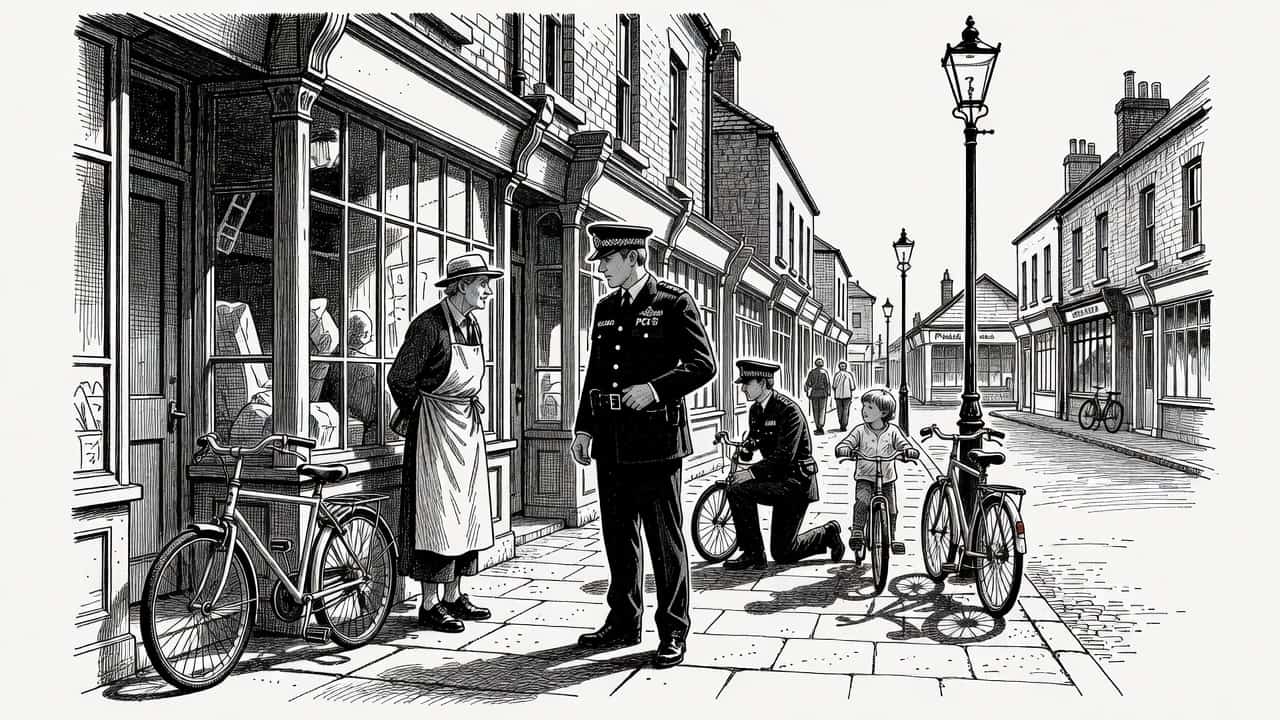
The vote delivered a clear mandate for familiarity as a form of policing: officers should be visible, identifiable and tied to the places they serve. The argument was not only about crime prevention, but about whether trust can be built when residents know who is responsible for their patch.
The floor’s most-respected Yes case put it plainly: “Policing by consent only works when communities trust the officers serving them”, with relationships, local intelligence and early intervention doing the work. Other Yes voters said forces already use the model successfully; one widened the complaint, arguing that “Local Authorities no longer cater fir or represent their residents” and that naming officers would make responsibility harder to evade.
The No case was smaller but more concrete. Its strongest voice warned, “No because criminals would use that info to target the officer’s house”, while another objected that “Police are not social workers. Should Police full stop.” A further objection stressed the risk to officials and their families, noting that some senior local-authority officers had avoided living in the boroughs they served; when a Yes voter dismissed concerns about personal details being shared, the reply was that a name could still be used to look someone up or follow them home.
That left the two sides talking past each other: one treating public visibility as the point, the other treating it as exposure. Even among Yes voters there was a practical reservation — “Not at all certain it's practical or affordable” — alongside the view that small areas, accessible stations and officers walking the streets mattered just as much in larger towns and cities.
Familiarity won the argument, but the room left a warning attached: the officer residents know is also the officer they can find.


9 Opinions
Much easier to have in a small town or village, and useful to keep a close eye on those who may need help or keep getting into trouble. For larger towns and cities it would be more difficult, but just as important. Small areas needed, seeing the Police walking around, with somewhere easily accessible for getting to a Policeman. Not at all certain it's practical or affordable.
No as it would expose the official or their family members to the risk of persecution and harassment. Having worked in several local authorities it was interesting to find that a good number of senior officers did not live within the borough they served precisely for this reason.
Police are not social workers. Should Police full stop.
Yes - many police forces do this already and it's very successful.
The problem is that Local Authorities no longer cater fir or represent their residents. Currently the UNs Agenda 2030 is being illegally progressed by many of our Councils funded by & Bloomberg Sorus & others & most residents have no idea what is being planned for them. This is connected with creating super authorities for which there are no mandates and whose principal role is the Agenda. So named officers might help to educate the electorate, but it won’t happen.
No because criminals would use that info to target the officer's house.
Policing by consent only works when communities trust the officers serving them. Dedicated, visible neighbourhood officers build genuine relationships, gather vital local intelligence, and prevent antisocial behaviour before it escalates