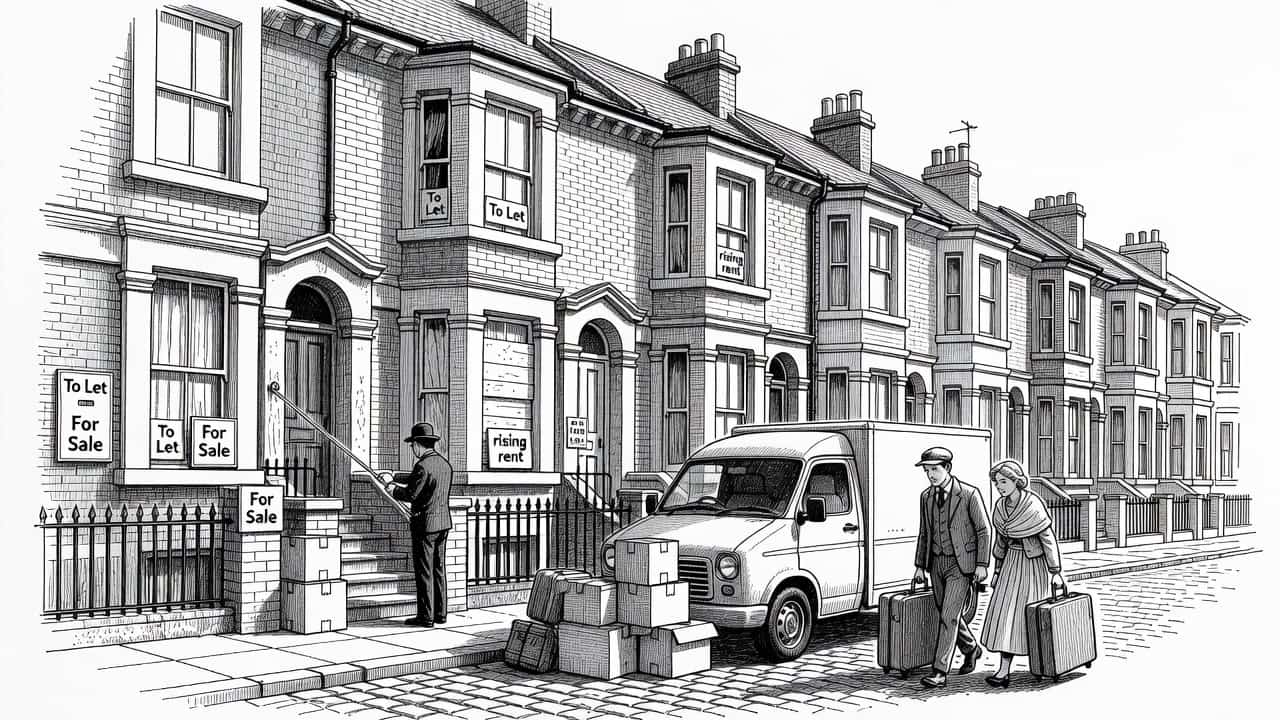
Landlords selling, rents rising and tenants finding it harder to secure a home gave the Yes side its central story, and voters backed it by two to one. The striking feature was not an abstract revolt against regulation, but a practical fear that protection had made a scarce market harsher for those at its sharpest end.
The floor’s most-respected Yes case argued that policy had left “the surviving landlords more control and power”. An estate-agent voice supplied the operational version: “reducing supply in a tight market”, with landlords raising rents and moving towards section 8 proceedings where section 21 once offered a quicker exit.
No voters did not deny the risks; they disputed what counted as the harm. One long-term tenant called the new position “a huge relief”, while the strongest balancing argument insisted: “That doesn’t mean the rights themselves are wrong.” The two sides often talked past each other, with No defending security as a principle and Yes measuring the Act by what happens to rents and availability.
Causation became the room’s unresolved argument. A No voice said, “The effects of rent increase happened before the section 21 ban”, while another argued that if supply is the problem, “the answer is building more homes”; Yes voters instead pointed to landlords exiting and buyers who would not be the renters currently shut out.
The verdict is therefore less a rejection of tenant rights than a warning about the price this chamber believes a tighter rental market may make tenants pay.




23 Opinions
Yes, absolutely. Look at the pricing of rent. Labour have managed to reduce the number of landlords, thus giving the surviving landlords more control and power. The more government gets involved with stuff, the worse it gets.
Be careful what you wish for. The left have pushed for reduced landlords rights for decades and made landlords the enemy, they are slowly learning the hard way with a sharp rise in rent costs and extreme difficulty even finding a place to rent. The costs to rent houses is almost unprofitable, due to interest rates, taxes and increasing tenants rights. Landlords are realising its easier just to invest with no risk of tenants destroying properties or missing rent etc.
I own an estate agency 130 properties fully managed, I have 2 problem tenants which now require a section 8 notice. One is 11 months and approximately 12000 plus unpaid rent. Before they would have been out with a secti9n 21 in 5 months. Landlords 💯 are selling reducing supply in a tight market. Most landlords putting g rents up annually now to not get behind whereas before would leave for 2 or 3 years and adjust to market rate. Same pattern as in Scotland with rent control
Independent landlords are forced to sell up, corporations, like Blackrock, swoop in and hoover up all of the properties and then rent then out at higher rents.
Left wing policy is never about making things better or efficient & say fairly raising taxes - it’s all ideological so tinged with obsession envy & unashamed viciousness. If you know what you propose is unfair & won’t work defensiveness is the play. Labour want to destroy the privately rented sector & whether it’s rent controls or senseless legislation it’s all an attack on citizens freedom & State control by apparatchiks. What they pretend is their desired outcome never is.
This is especially important to me. I have rented the same place for over 10 years, never missed a rent due date, we have maintained the property ourselves, the landlord has never done any maintenance, has raised rent, etc. My landlord wants to sell for financial reasons and has threatened this for the last 7 years. We now have added security which is a huge relief. The flip side is there is nowhere for us to go if we did leave. We work full time, have a child, and a dog.
Landlords leaving puts more homes in the market so which could/should result in lower house purchase prices and create a worry/panic amongst landlords 😳… ( I don’t have anything against landlords 😉❤️) xx
Having seen the endless piles of legislation since I last rented and the brief stint I did as a landlord when a sale fell through from the daftness of making every home 3 or more people a HMO, to useless things like energy certificates it's all just made renting a lot more expensive and not helped anything any renter actually cares about. Landlords will continue to price in every piece of badly thought out legislation
The effects of rent increase happened before the section 21 ban. It happened due to covid increasing interest rates and mortgages which forced landlords to sell and an increase of no fault evictions being issued, not the other way around.
The Act could create some unintended problems, especially if lots of landlords leave and the supply of homes falls. But that doesn’t mean the rights themselves are wrong. Tenants shouldn’t be able to lose their home without a reason, and protections against unfair rent increases and bidding wars are reasonable. If supply is the problem, the answer is building more homes, not leaving renters with fewer rights.