Daily political referendums
Know where you stand
8 new referendums on UK politics today. Vote them and we write your political profile from your answers.Today's ballot: 8 new referendums on UK politics. Vote them and we write your political profile from your answers, and it updates with every vote after.
12,491votes in the last 24h
What is refnation? →No account needed
 01/ 08
841 VOTES SO FAR
Is Andy Burnham doing a good job as Prime Minister?
Andy Burnham has been Prime Minister and Labour leader since 20 July 2026, succeeding Keir Starmer after a leadership change triggered by poor local election results. In his first months he has announced plans for a National Care Service, greater public control of water, and decentralising power from London while maintaining a slim parliamentary majority. Recent polling and media coverage reflect divided views on whether his mayoral-style approach is translating effectively to national leadership.
 02/ 08
869 VOTES SO FAR
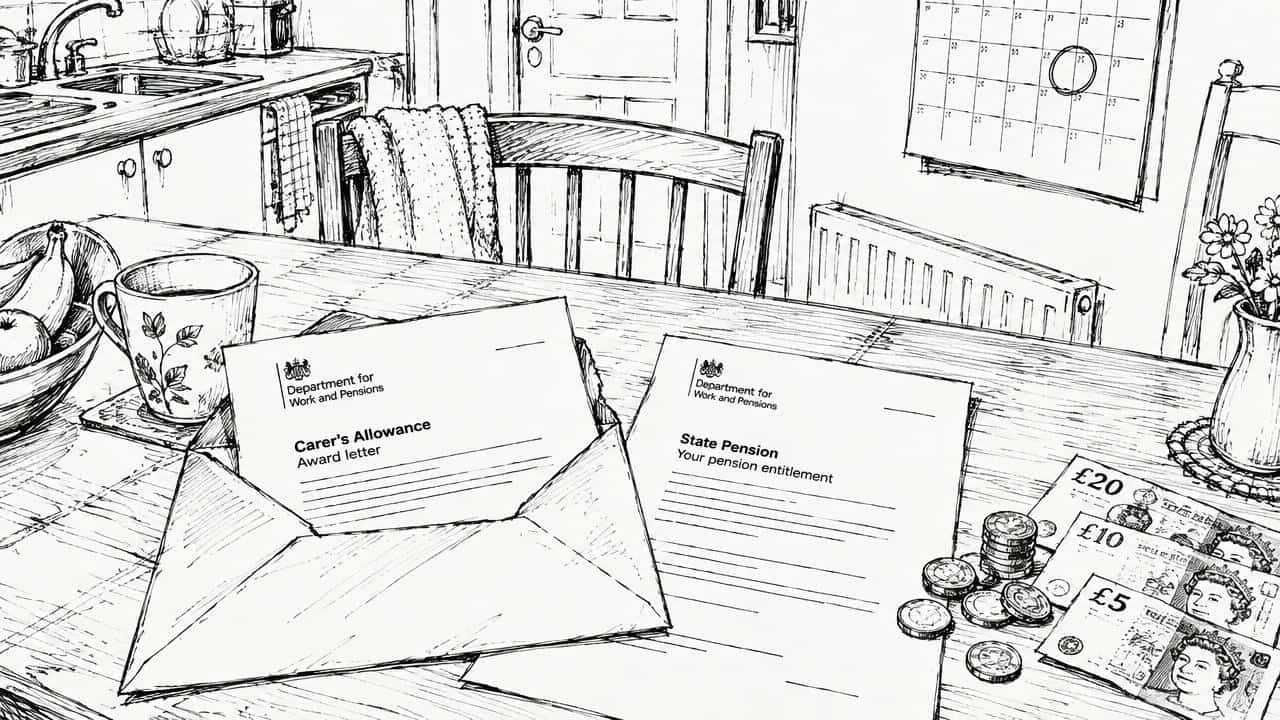
Should carers keep getting Carer’s Allowance after they reach state pension age?
Carer’s Allowance is currently £86.45 per week for those providing at least 35 hours of care to someone receiving a qualifying disability benefit. People over state pension age cannot usually receive full Carer’s Allowance and full state pension at the same time due to the overlapping benefits rule; if the pension is higher, they get underlying entitlement instead, which may boost Pension Credit but pays no extra cash. Recent rises in state pension age from 66 to 67 are projected to leave around 26,000 carers around £134 per week worse off during the transition.
 03/ 08
877 VOTES SO FAR
Should teachers in shortage subjects like maths and physics be paid more than other teachers?
UK schools face persistent shortages of specialist teachers in maths and physics, with only 55% of physics hours and around 80% of maths hours delivered by degree-qualified staff in recent years, hitting disadvantaged schools hardest. The government offers targeted bursaries up to £29,000 for trainees in these subjects and retention incentives up to £6,000 for early-career teachers, alongside a uniform 3.5% pay rise from September 2026 that applies to all teachers. Recent analysis shows retraining serving teachers is far cheaper than recruitment incentives for addressing specialist gaps.
 04/ 08
864 VOTES SO FAR
Should local communities be able to block onshore wind farms near them?
Onshore wind developments in England above certain thresholds are now often decided as Nationally Significant Infrastructure Projects by the energy secretary rather than local councils, following the 2024 lifting of prior planning restrictions that gave communities effective veto power. Local views, environmental impacts and technical concerns such as radar interference are considered in planning but do not automatically block projects. The UK government aims to double onshore wind capacity by 2030 to support renewable energy targets.
 05/ 08
839 VOTES SO FAR
Should business rates be replaced with a tax on sales, including online sales?
Business rates are a property tax on non-domestic premises based on rateable value and multipliers that vary by property type and size. From April 2026, retail, hospitality and leisure properties under £500,000 rateable value benefit from permanently lower multipliers (38.2p or 43p), while those over £500,000 face a higher 50.8p multiplier; the system raises around £26 billion annually and is widely blamed for disadvantaging high street retailers against online competitors. Recent calls, including from the IPPR on 8 October 2026, propose an online sales tax to raise £1.5 billion and fund further rate reductions for physical shops, amid ongoing high street vacancy rates of around 14% and pressure ahead of the 28 October Budget.
 06/ 08
860 VOTES SO FAR
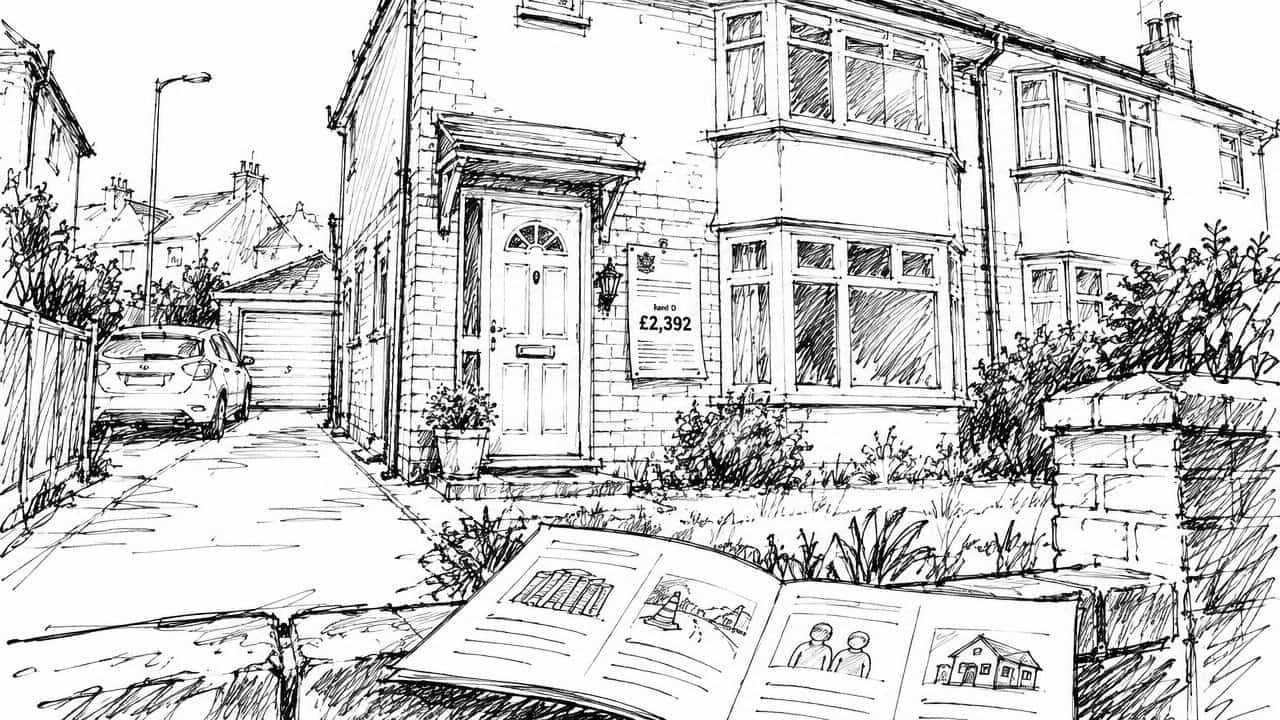
Should council tax be frozen even if it means cuts to local services?
Council tax in England for 2026-27 averages £2,392 at Band D, up 4.9% on the prior year, with most authorities raising it to balance budgets amid government fair funding reforms that cut grants to some low-tax London boroughs by up to 40%. Many London councils face multi-billion funding gaps by 2030, leading to warnings of steep tax hikes or service reductions in areas like social care, roads, leisure and homelessness support. Freezing tax would require equivalent spending cuts or reserve use to maintain services.
 07/ 08
849 VOTES SO FAR
Has Donald Trump’s second term been good for the UK?
Donald Trump is serving his second term as US President, which began in January 2025. The UK-US relationship has faced strains including US tariffs on British goods, disputes over the Chagos Islands deal, differing positions on Iran strikes and NATO burden-sharing, and pressure for higher UK defence spending now targeted at 3.5% of GDP. Recent UK leadership change to Prime Minister Andy Burnham has seen some improved personal rapport with Trump alongside continued tensions over trade, security and energy supplies.
 08/ 08
854 VOTES SO FAR
Should UK citizens born abroad be allowed to stand as MPs?
UK citizens born abroad can stand as MPs provided they meet the standard eligibility criteria of being at least 18 and a British citizen, Irish citizen or qualifying Commonwealth citizen with indefinite leave to remain or right of abode. The Act of Settlement 1701 historically barred those born abroad except for children of English parents, but this was modified by the British Nationality Act 1981 to allow British citizens regardless of birthplace. This matters because many British citizens are born overseas due to military service, diplomacy or family circumstances, and several current and past MPs were born abroad.