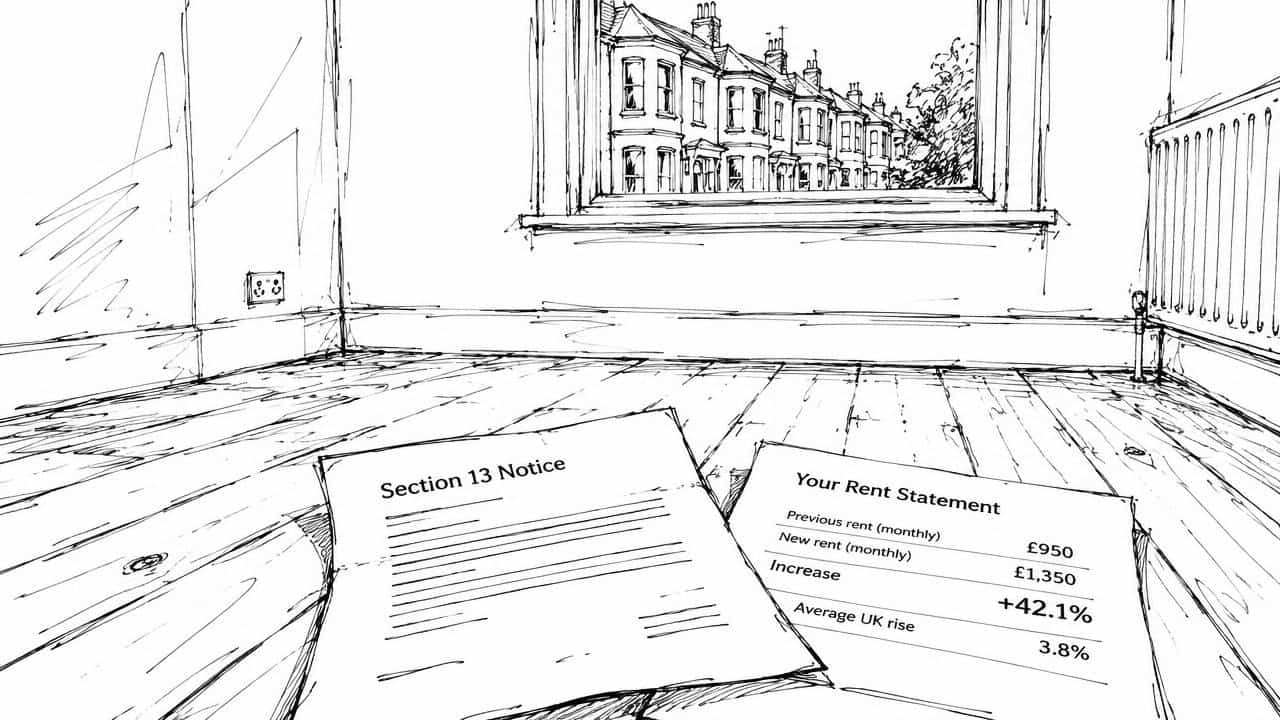
A proposal to cap private rent increases won comfortably, but the debate’s strongest No case put the risk of fewer homes at its centre: a cap might ease costs for some tenants while making properties harder to find. Yes voters answered with the immediate experience of rent rises and the charge of profiteering.
The most-respected Yes case called the practice “blatant profiteering” and argued that landlords and housing associations working for councils should face a cap. Another Yes voter drew a distinction between setting rents and limiting increases for sitting tenants, saying there was “no justification for above inflation rises”.
The most-respected No case warned that capping prices would “reduce supply further”, with landlords becoming more selective about tenants. Other No voters argued that controls would deter investment or drive landlords out; the Yes case called for restraint, but left the supply objection largely unanswered.
That disagreement echoes a wider housing argument: whether to protect tenants from rising costs now or prioritise building more homes and social housing to ease pressure over time. A weary No voice put it bluntly: “There are too few properties available.”
The vote favoured a limit; the arguments were still about what might be lost in setting one.





46 Opinions
The high cost of rent is a supply issue. Capping the price will simply reduce supply further. Yes, your rent may be marginally cheaper if you are lucky enough to find a property. But finding one will be much harder, and landlords will be much more choosy about who they take on. The most effective way to bring rental prices down is to increase the overall supply and reduce housing costs in general.
Caps do not work. Everyone will charge the same. New rental properties won't come to the market. Existing ones will leave.
This is about supply. There are too few properties available, and many applicants for decent accommodation. If you are a landlord providing decent accommodation, the price is decided by the market. Renters Rights Act prevents anything more than one rent rise every 53wks - that’s decent for both landlord and tenant, but excessive repeated rent rises (of double digits every year) are not generally happening (in my experience). A rise of 3-6% per year is reasonable I suggest.
Increases during a tenancy should be capped.
No. But we should stop paying Housing Benefit at market rate which inflates rents. Taxpayers deserve a discount for being a reliable payer.
No with caveats many landlords are accidental small time and it was their family home but due to circumstances it's not practical to sell right this second . They aren't business moguls. They are taxed many don't make any profit the property just ticks by. We desperately need more social housing to be built but anymore regulation and the shortage problem will get worse.
We don't have a rent / housing crisis, we have an immigration crisis. In a short space of time, you can't import hundreds of thousands of people and expect for them all to be housed without causing damage to housing supply. It's basic supply and demand. Edited
It's blatant profiteering . Private landlords & housing associations subcontracting to councils should be capped. Outside of that if you're dumb enough to pay it their greedy enough to charge it.
Build a whole load of social housing, with social rents, a d private rents will tumble to match
No. Rent controls treat the symptom, not the cause. Decades of high immigration have added substantial pressure to housing demand, while government policy has made renting increasingly expensive. Drive net migration to zero, remove those with no lawful right to remain and stop using endless housebuilding as the only answer. Artificial rent caps risk driving landlords out and reducing supply. Address demand, restore affordability and let the market function.