The winning side barely argued for its own measure: Yes carried the vote despite supplying only two opinions, while No produced a much larger and more confident case. That imbalance is the verdict’s central curiosity — a majority for the policy, but a debate dominated by its opponents.
The strongest Yes voice framed the tax as a question of whose jobs count, arguing that “white collar jobs under threat” had finally made automation politically urgent. But the other Yes contribution was an extraordinary qualification: “I fear I voted the wrong way”, followed by a pledge to revote No because business should be encouraged rather than burdened.
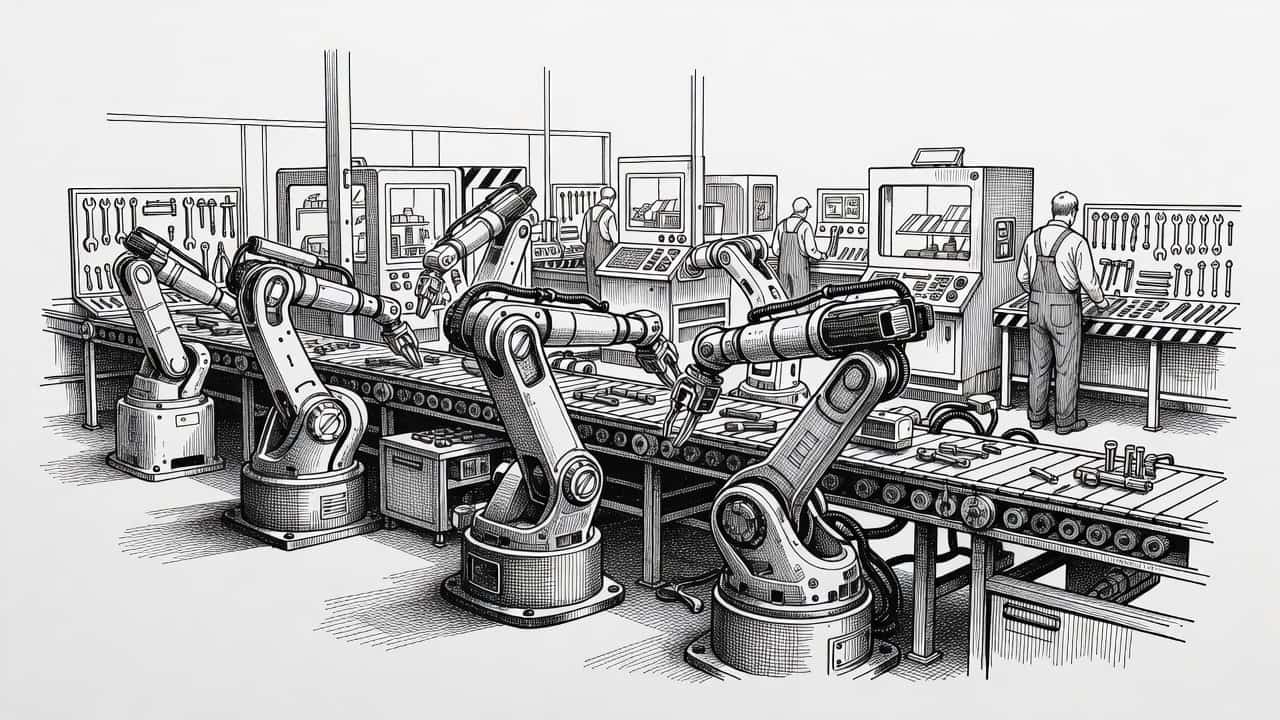
No’s best-rated argument cast the proposal as “a backward Luddite trap”, warning that companies would move operations abroad rather than preserve staff. Other opponents reached for precedent — “We didn’t tax companies that introduced computers” — and for a broader pro-growth case: “Don’t tax evolution.” Their common instinct was that automation is a tool for productivity, not a taxable offence.
The practical objections were less ideological and more revealing. One voter asked, “How would HMRC know if jobs are being replaced with AI”, while others worried about whether the levy would be one-off or recurring, how it would affect National Insurance receipts and public services, and whether defining an algorithm would become “a bureaucratic nightmare”. Even the alternative offered by one No voice — tax land rents while taxing earned incomes less — pointed away from the machine and towards the wider tax base.
This self-selected UK electorate voted for intervention, but the room’s own argument-ranking suggests that scepticism about the mechanism was clearer, more numerous and more developed than enthusiasm for it. The policy won; its case did not quite.




12 Opinions
Taxing automation is a backward Luddite trap that will leave Britain lagging behind while the rest of the world powers ahead. If we slap a penalty on using modern tech, companies won't magically keep staff, they’ll just relocate their operations to Ireland or the US, costing us the jobs anyway.
YES Like they should have when 'machines' were replacing manual jobs for the last 30/40 years The only reason there's such a noise about 'machines' replacing jobs now is because it's white collar jobs under threat The solicitors, journalists, architects, office workers, doctors, managers & yes even computer experts only now care because it's THERE jobs under threat Before when it was manual & brown collar jobs it was called progress, so be quite there's nothing to see here
Companies innovate to be more productive at less cost, leftist governments innovate to find more ways to tax.
We didn’t tax companies that introduced computers.
No, just like we haven't taxed any other technological innovation.
This bothers me, is it a one of tax or a regular payment tax? Will each robot have a mechanic? Is this to reduce staff costs? If we reduce staff, making the number of National Insurance payments go down, this puts more pressure on Social Care, NHS, etc. What's to stop the factories going abroad, this won't help the UK. Something about this idea worries me.
Hmm I fear I voted the wrong way. Another tax for business would be a very bad idea. We still need people to check the machines and keep AI in check. We want to encourage business not discourage it with more taxes - so I'd actually revote NO if I could.
I don't know how this could be applied from a practical perspective. How would HMRC know if jobs are being replaced with AI without knowing what every business is doing 24/7?
Don't tax evolution ,companies need to be competitive and automation is one way of doing it
Companies should and must innovate. That is how to grow their businesses and the whole economy Govt should make the environment attractive for business start ups and promote both employment and innovation More jobs of all kinds is the answer, not loading extra tax on successful innovators