The most striking thing here is the mismatch between vote and voice: Yes carried the day, 71 to 61, but it was a No voter who wrote the debate's most respected line, a six-point brief that dismantled the case piece by piece. The chamber decided one way; its own respect ratings suggest the argument it prized most cut the other.
Yes's case, in the opinions left behind, was moral rather than practical — an argument about desert, not deterrence. Its top voice held that "once someone rapes a child, tortures their spouse to death or detonates a bomb at a pop concert, there is no room left for any lesser penalty," casting retribution as owed rather than optional. Others echoed the same fatigue with the status quo — "prison is no longer a deterrent, evil is evil and must be faced" — though one entry stretched the logic toward hanging as a cure for "prison overcrowding and recidivism," a claim that drew no support at all.
No's case was more forensic, and better rewarded by the floor. Its highest-rated opinion ran through miscarriages of justice, the perverse incentive to "remove the key witness as I am facing life anyway," thin deterrence evidence from American states, and a preference for consecutive full-life tariffs instead. Another No voter invoked Lucy Letby directly — "there are two main reasons not to... one is moral... and second too much scope for error" — while a third widened the argument into distrust of the state itself, warning that any government "could possibly abuse the death penalty... to murder dissenters." Yes voters, notably, never engaged these points on the page; the two sides argued past rather than against each other.
The result lands squarely on a fault line that has run through British justice since 1965 and sits awkwardly against the Human Rights Act and the European Convention, which forbid exactly what this vote endorsed — a reminder that public appetite and legal architecture are pulling in different directions.
That the chamber's best-argued case belonged to the side it outvoted is the real verdict here: a majority for the death penalty, built less on rebuttal than on conviction that stood outside the argument altogether.






7 Opinions
For some crimes, rehabilitation must take a back seat to retribution and denunciation. Once someone rapes a child, tortures their spouse to death or detonates a bomb at a pop concert, there is no room left for any lesser penalty.
Again a thorn of a question, but prison is no longer a deterrent, evil is evil and must be faced ,on balance capital punishment is warranted
No simply because the question is to vague.. I'd say... People who say "can I get" or start a sentence with "so" are commiting a serious crime. Or People insist on sitting in the middle lane of a motorway are also commiting serious crime. But I'm sure many would say hanging them is a bit harsh, I'd disagree of course!!
1- Miscarriages justice mean state murder 2- Death penalty for crimes other than murder may actually increase murders- 'remove the key witness as I am facing life anyway' 3- Little evidence it is a deterrent: see US states with it 4- Full life tarrfiffs are a real punishment. 5- Stop making sentences concurrent. N Crimes should mean N consecutive sentences. 6- Improve policing especially for rape and child offences- increased risk of getting caught is a deterrent
Yes for serious crimes like murder rape and child grooming
While I can see the appeal of ridding ourselves of ( and reducing the cost of managing) some of the appalling people like Vardy and Rudakubana, there are two main reasons not to. One is moral - we don't have the right to do that to a fellow human, and second too much scope for error. Lucy Letby would probably have been a candidate and yet its increasingly looking like she was scapegoated for a failing hospital.
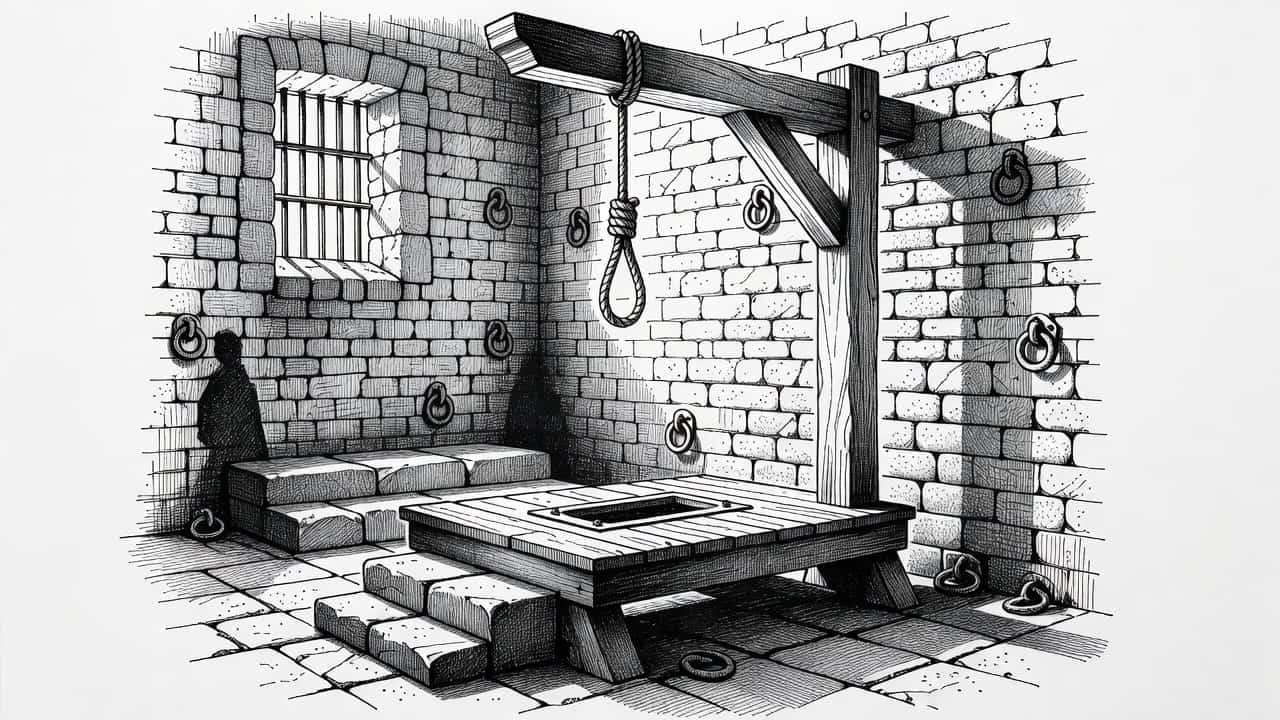
And not just the most serious ones. Hanging is the cure for prison overcrowding and recidivism. Prison unusually fails to prevent reoffending. Hanging has a 100% success rate.