Daily political referendums
Know where you stand
8 new referendums on UK politics today. Vote them and we write your political profile from your answers.Today's ballot: 8 new referendums on UK politics. Vote them and we write your political profile from your answers, and it updates with every vote after.
17,160votes in the last 24h
What is refnation? → 01/ 08
112 VOTES SO FAR
Should the UK lead a drive to give the Commonwealth’s poorest countries longer to repay their debts?
The UK has no binding scheme extending repayment terms for the Commonwealth's poorest countries. Most such debt is owed to other creditors, and UK bilateral debt relief is already limited. In 2026 the UK set up the London Coalition on sovereign debt and promised to prioritise longer repayment terms and cheaper refinancing in its 2027 G20 presidency. On 1 November 2026 the Prime Minister announced a Commonwealth debt-restructuring drive led by Gordon Brown, while ruling out reparations for slavery.
 02/ 08
118 VOTES SO FAR
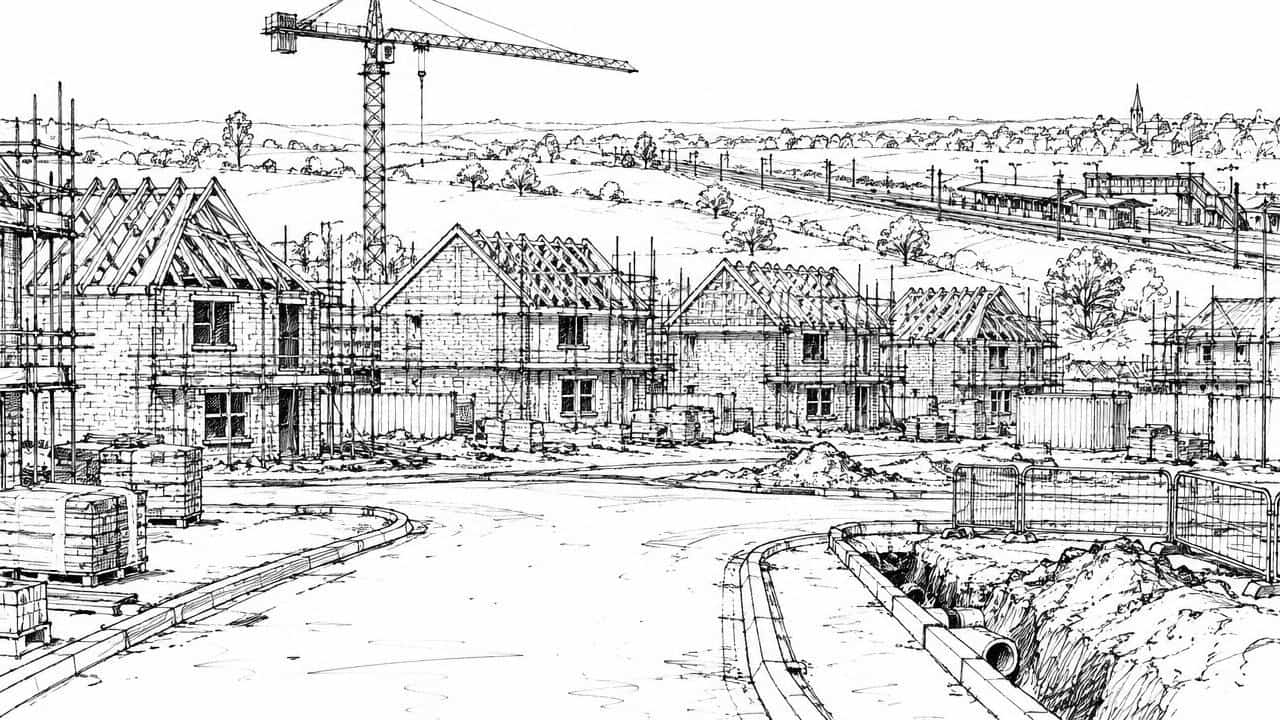
Should the UK build a lot more new homes?
Monthly tracker · see how opinion moves
New homes in England are delivered through the planning system, and the government has a target of 1.5 million net additional homes in England by the end of this Parliament (by 2029). An estimated 437,900 were delivered between July 2024 and September 2026, about 29% of the target. Completions in 2025-26 were around 143,000, the lowest since 2015-16. The Planning and Infrastructure Act 2025 and a 2026 default yes for homes near stations aim to speed building up. The Housing Secretary has described the target as a stretch target.
 03/ 08
116 VOTES SO FAR
Should large employers have to stagger staff start times to ease rush-hour traffic?
No UK law requires employers to stagger start times. Employees have a day-one right to request flexible working, including changes to their hours, and employers can refuse on eight statutory business grounds. Employers must now answer within two months. A 2026 government consultation looked at making refusals harder, and staggering is mainly a voluntary tool used to cut peak crowding and spread demand, for example at EV charging sites.
 04/ 08
116 VOTES SO FAR
Should adverts for betting and gambling apps be banned?
Gambling advertising is legal in Great Britain for operators licensed by the Gambling Commission. Adverts must follow ASA codes, including a ban on strong appeal to under-18s (since 2022) and social responsibility rules. A 2023 white paper did not propose a ban. In September 2026 a House of Lords committee urged a comprehensive ban on gambling advertising, marketing and sponsorship, with some exemptions such as the National Lottery and horse racing. The industry says a ban would push customers to illegal operators.
 05/ 08
113 VOTES SO FAR
Should there be a legal limit on how much the government can borrow?
The UK has no legal cap on government borrowing or debt. The Treasury sets its own fiscal rules in the Charter for Budget Responsibility, and these can be changed. The current rules require the day-to-day budget to be in balance and debt to be falling as a share of GDP by 2029-30. Public sector net debt passed £3 trillion in September 2026, about 94% of GDP, and borrowing is running above the OBR's forecast. A 2010 Act with legal borrowing duties was repealed in 2011.
 06/ 08
115 VOTES SO FAR
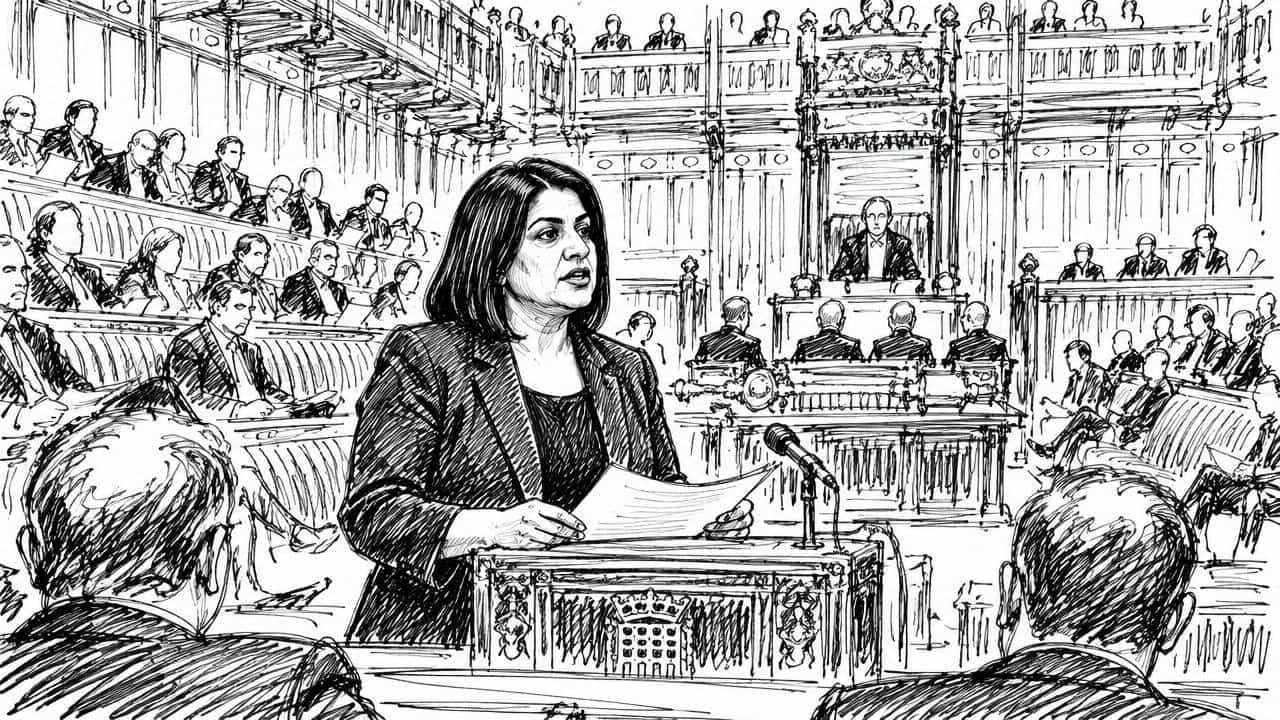
Is Shabana Mahmood right to water down her plan to make migrants wait longer for settlement?
Indefinite leave to remain is currently available to most work-visa migrants after five years. The government is moving to a 10-year baseline under an "earned settlement" model, with changes starting from the December Immigration Rules. On 2 November 2026 Mahmood told MPs she was softening the plan after objections from Labour MPs and Cabinet ministers. Care workers already in the UK before May 2025 and earning at least £25,000 keep a five-year route, other lower-skilled workers face 10 years rather than 15, and those arriving by illegal routes face 20.
 07/ 08
113 VOTES SO FAR
Is Andy Burnham's Government failing to deliver real change for living standards?
Andy Burnham has been Prime Minister since 20 July 2026 and has called his a "cost of living government". His measures so far include a six-month cut in VAT on household electricity from October 2026, a £2 bus fare cap outside London from January 2027, and a 20% business rates cut for pubs from April 2027. The Joseph Rowntree Foundation projects falling living standards, with the lowest-income households hit hardest, and links this partly to the Middle East conflict's effect on prices. The Chancellor has warned the government cannot fully stop the squeeze.
 08/ 08
116 VOTES SO FAR
Should Pride Month be cut back to a single Pride Day?
Pride Month is not a legal designation in the UK. It is an informal observance each June, and Pride events run from spring into September. Councils, businesses and government choose for themselves whether to mark it. Whitehall buildings are encouraged to fly the Pride flag around London Pride, but local authorities are not bound by flag instructions. In 2026, some Reform UK-led councils cancelled flag-raisings and cut Pride funding, MPs held a Commons debate on Pride Month on 4 June, and London Pride took place on 4 July.