The striking thing about this vote is how little the climate generation gap that normally haunts energy debates showed up — voters here endorsed the 20-year extension by a heavy margin, and it was the over-65s who were unanimous for it, not the young. If anything the pattern ran backwards: the 16-24s were the one group to reject it, three of the four voting no, while every bracket from 55 upward voted yes almost to a person.
The middle years told a more divided story. The 35-44s split evenly, and women overall were markedly more hesitant than men, backing the extension by two to one against men's near-four-to-one. That gender gap, on a technology long associated with cost overruns and waste concerns as much as with energy security, is the kind of texture a bare 78% obscures.
The result sits squarely inside the wider argument about Britain's energy security since the gas-price shocks of 2022, where nuclear has been reframed by government and industry alike as a hedge against volatility rather than a legacy technology to be wound down. This vote suggests that reframing has landed hardest with older voters and men, and least with the youngest cohort who will live longest with the plant's lifespan.
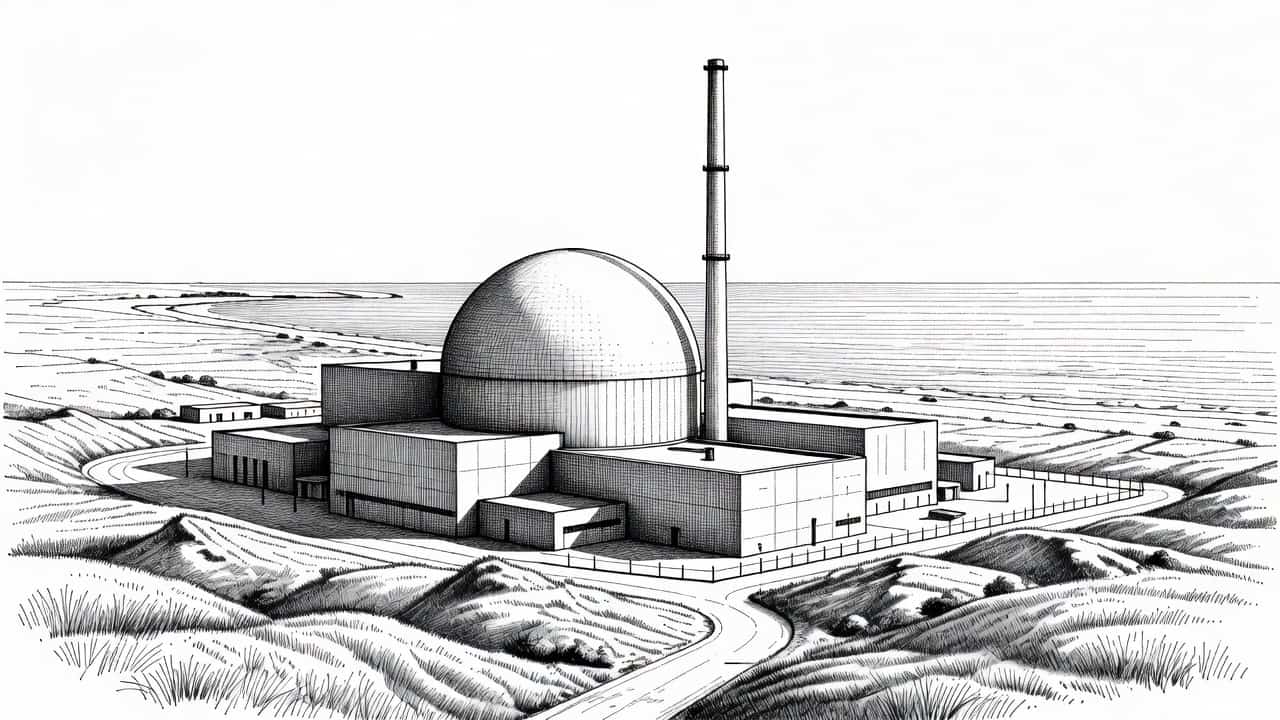
Sizewell B's operators got their answer here decades before the reactor itself will need one.





0 Opinions
Weigh in on the debate.