There was no real argument here, only degrees of enthusiasm, and that in itself is the story: a chamber that spends most of its time fighting over the size and reach of the state found nearly nothing to defend in letting a strategic industry close on a foreign owner's say-so. Even the age group most often cast as instinctively pro-market, voters in their fifties and sixties, still backed the move by three to one; they were simply the least enthusiastic, the closest this vote came to friction.
The one divide worth pausing on is gender, where men were near-unanimous and women split more evenly, though the numbers on the female side are thin enough to read as a wrinkle rather than a verdict. It hints that the instinct to intervene wasn't shared with quite the same conviction everywhere, even where the headline outcome was never in doubt.
The result sits squarely on a fault line British politics has been dancing round since the collapse of Redcar and the SSI mills: whether the state should treat primary steelmaking as a strategic asset worth propping up regardless of market logic, or a lame industry Britain can no longer justify subsidising. Successive governments have hedged; this vote did not.
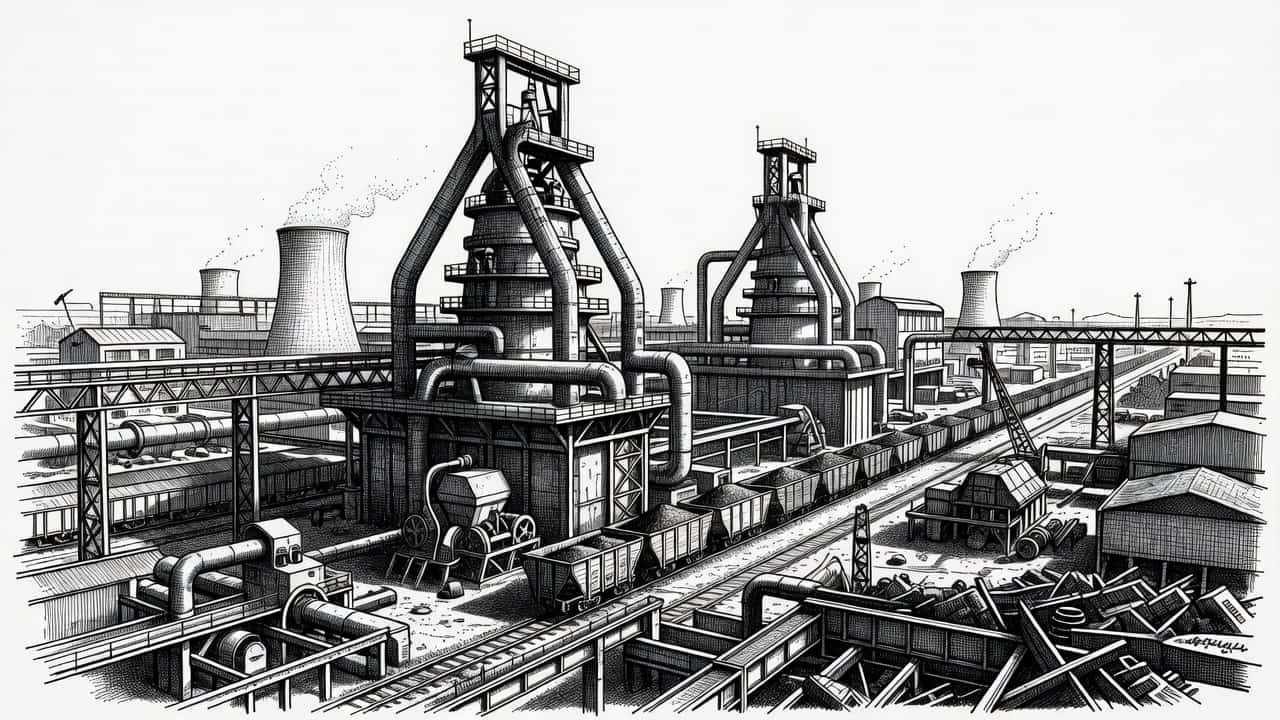
The floor's dissent came from a single, sharply worded voice warning that "only rogue states nationalise private firms" and questioning whether Britain can even afford to make steel at all — a case that found little purchase against the near-unanimous view that Scunthorpe's furnaces were worth saving by state action.
For a country still arguing about the proper size of government, this was a rare moment when the answer came back almost unopposed: bigger, at least for steel.


2 Opinions
No, the government should created environment to make production of steel domestically profitable again (and for all strategic products) and never sell them to foreign investors (especially potentially hostile) . How to do it? Prioritise UK sources for state procurement and tariffs.
Only rogue states nationalise private firms. And we can't even afford to make steel anyway.