The most interesting thing about this vote is not that Yes won by a wide margin but who refused to fall in behind it. The over-55s, the generation that actually watched the coalfields and shipyards shut, split almost down the middle, while the 65-and-overs who came of age before Thatcher even took office were the most convinced of all that the regions paid an unfair price. It suggests a memory divide as much as a political one: those who were mid-career when the mines closed carry a more contested, lived verdict than those recalling it from a greater distance, or from outside the industries themselves.
That fracture within the very generation targeted by the reforms echoes a debate that has never really settled in British politics — whether the 1980s were a necessary shock that modernised a sclerotic economy or a deliberate transfer of pain from the south east to the coalfields, shipyards and steel towns of the north, Scotland and Wales. Four decades of "levelling up" rhetoric, from Osborne's northern powerhouse to Johnson's red wall pledges, has essentially been the political class trying to answer the same question voters here just put to a ballot.
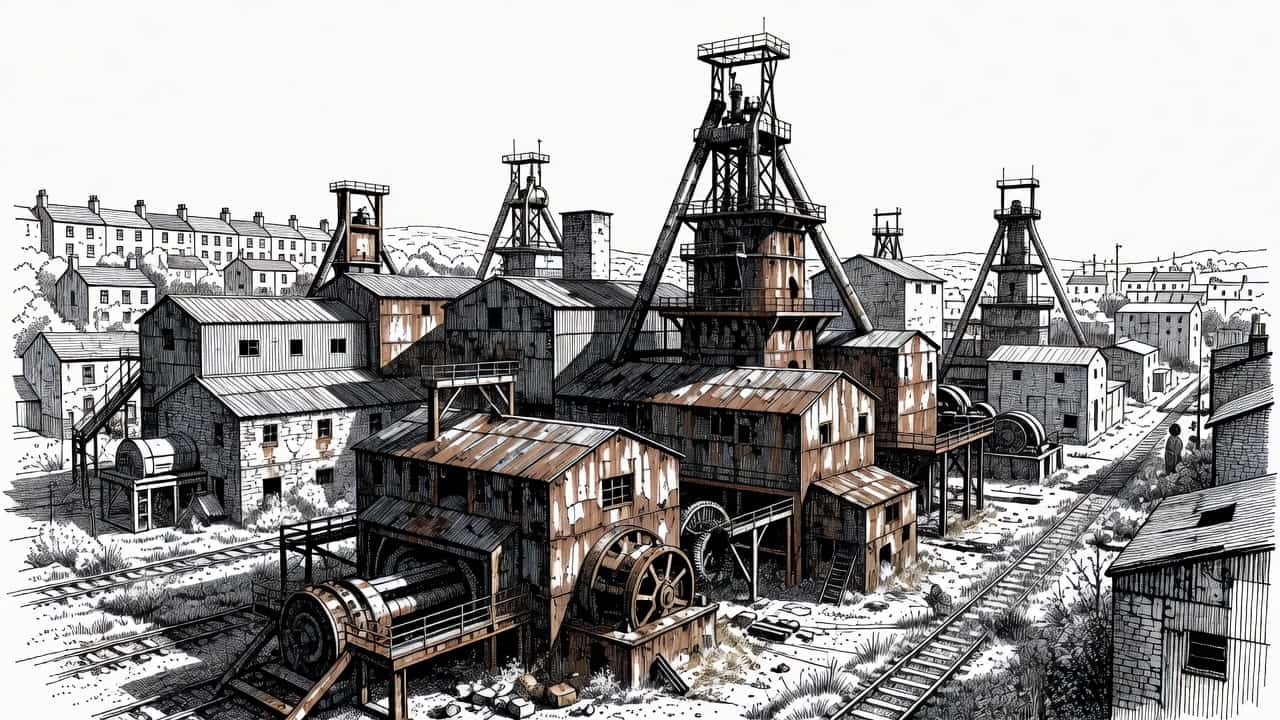
The floor's arguments tracked that same split neatly. The Yes case, from rjane, was personal and bleak: "Whole towns were effectively unemployed when the mines closed... She devastated some areas of the north to prove her point." The No case, from warmana, reached for the bigger picture instead, insisting the era produced "the greatest period of British growth, influence, and success, in modern history" and that "the entire country, as a whole, benefitted."
Nearly forty years after the last pit closed, the ledger on Thatcherism still depends on which Britain you were standing in when it was written.








2 Opinions
Whole towns were effectively unemployed when the mines closed. Heroin moved in for young people with no prospects of a job and people died. She devastated some areas of the north to prove her point. I still feel angry about what she did to this country, selling off our assets and devasting northern communities
The Thatcher-era policies led directly to the greatest period of British growth, influence, and success, in modern history. Look at the music that came from all parts of the country. Look at our world standing then and compare with now. The entire country, as a whole, benefitted.