Rare is the question that flattens the usual generational fault lines, but this one did: teenagers and pensioners, normally the platform's most reliable opposites, arrived at almost identical verdicts, with the over-55s and the youngest voters alike backing reform by roughly nine to one. That kind of consensus, spanning people who will never share a cell block or a release date between them, suggests the vote was less about ideology than about a shared sense that something in the system has visibly broken down.
The one crack worth noting ran along gender rather than age: men backed reform by a wide margin, while women, though still supportive, did so more narrowly, with roughly one in four dissenting. It hints at a divide less about whether prisons need fixing than about what "reform" should mean in practice — a question the Ministry of Justice's own review, soliciting evidence through the summer, will have to answer rather than assume.
That ambiguity is the real story here, because "reform" is doing a lot of work in a single word. It can mean rehabilitation, decency and smaller custodial populations, or it can mean austerity, discipline and deterrence — and this vote, for all its lopsided margin, settles only that the status quo has lost its defenders, not which of those futures should replace it.
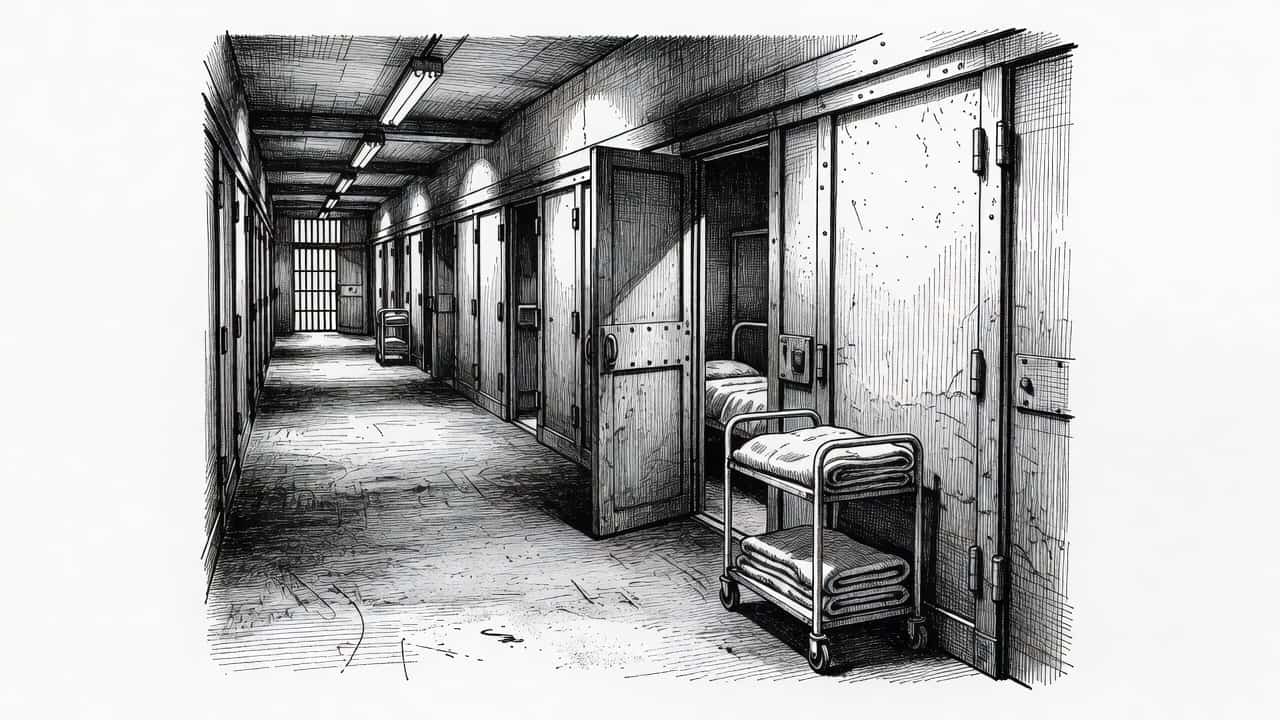
That ambiguity showed up directly in the chamber's own words. The top-rated Yes voice, warmana, argued reform should mean toughening up, not softening: "We need prisons to be unpleasant punishment, not taxpayer funded holiday camps" — a case for change that shares almost nothing in spirit with the rehabilitative reform agenda usually associated with the term, yet still landed under the same Yes banner.
A landslide for change, then, that conceals a live argument about what change should look like — which is precisely the argument the Deputy Prime Minister's review now inherits.




3 Opinions
Ask Ian Acheson
The number of cases I’ve seen recently where people committing murder and sexual crimes but getting a light sentence is baffling but a hurty opinion on the internet gets more time. If we don’t have rooms in our prisons for criminals maybe we need to rethink who we are locking up and who we should be removing from the country or idk for petty crime tag them and make them do council work….. there’s loads of road marking needing painting, trees and bushes to be trimming….
If the reform is to make prison even more comfortable and 'customer friendly' then reoffending will increase. But if the reforms bring in harsher conditions, then reoffending will go down. We need prisons to be unpleasant punishment, not taxpayer funded holiday camps.