Nothing here resembles a settled national mood: the chamber essentially tied itself in knots before No edged it, 37 votes to 32, on a question that asks Britain to reconsider what the state is for in housing. That closeness itself is the story — this is not a policy voters have made their minds up about.
The one clear pattern sits in age, and it cuts against tidy generational stereotypes. The 35-44 group, those most likely to be renting, saving or stretching for a mortgage right now, were the most hostile to a state-owned builder, while the 45-54s and the small band of over-65s leaned the other way. That reads less like ideology than self-interest: the cohort most exposed to today's market seems warier of state intervention actually helping them, not more inclined to demand it.
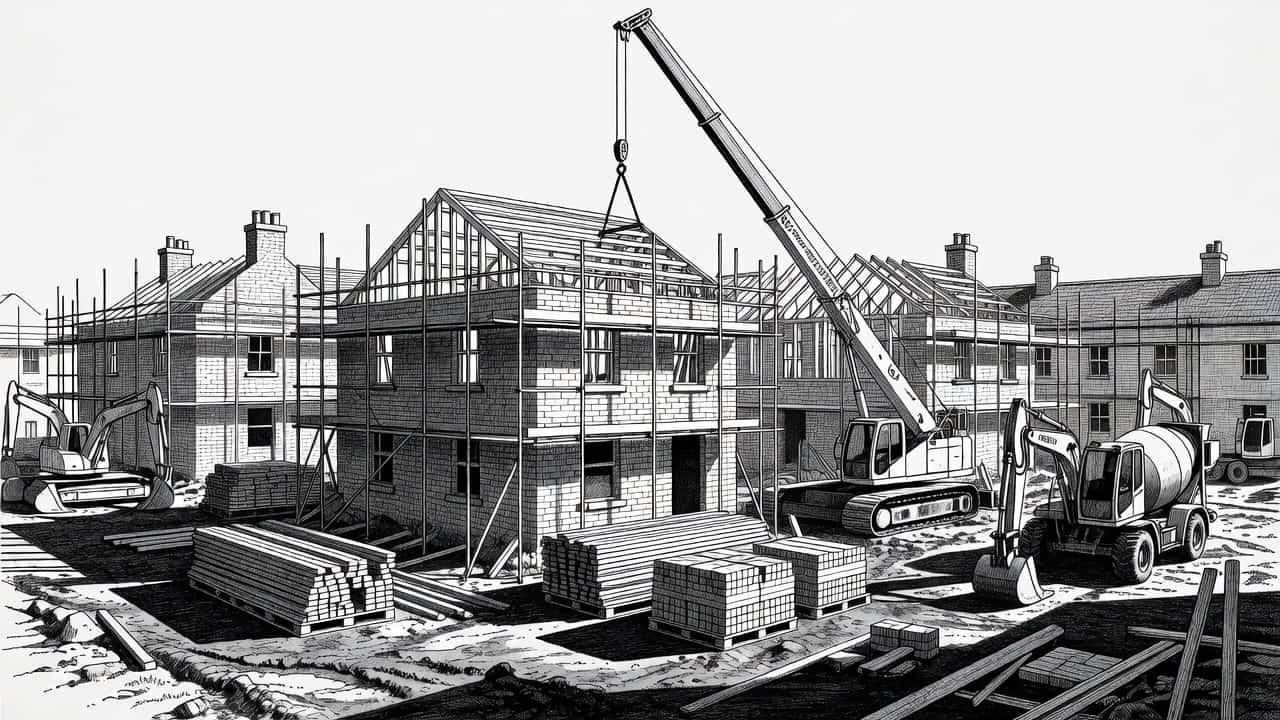
The result also lands on a live fault line in housing policy — the tension between a government keen to be seen "doing something" about supply and a public still instinctively suspicious of the state as builder, echoes of council-house retrenchment and decades of private-sector primacy in delivery. Reed's search for a market-downturn insurance policy has, on this evidence, not yet won over the people whose housing costs it is meant to steady.
That the gender split barely moved the needle either way only sharpens the point: whatever is driving scepticism here, it isn't a simple left-right or demographic reflex, but a genuine, unresolved argument about the state's role in the market.






1 Opinion
More government, when they've already proven incompetent in virtually every way? Laughable at best, if not just straight insulting.