The floor endorsed compulsory community work, yet the most respected arguments belonged to those who opposed it: Yes won comfortably, taking nearly two votes in three. That gives the result a distinct tension — a clear mandate for conditionality, alongside serious doubts about whether compulsion would lead anyone into lasting employment.
The winning case was less about economics than reciprocity and routine. One Yes voter called twenty hours “a modest expectation”, arguing that people able to work should contribute in return for public support; others said meaningful training, references and safeguards against employers taking free labour could turn the scheme into a route back to work. Even supporters split over the terms, with one insisting that without extra pay “it's just slave labour”.
No voters answered with a demand for jobs, not punishment. The floor’s most-respected No case said: “People want actual jobs, help them get actual jobs!”, while another argued that “you don't do that by forcing them to do community work.” Their case ranged from the failure of earlier mandatory activity to the moral objection that “the word ‘forced’ is unacceptable”; the strongest alternative was paid work with decent conditions, not benefit-linked labour.
That is where the two sides talked past each other. Yes voters addressed the discipline and symbolism of welfare — the bill, despair and the fear that prolonged inactivity becomes normal — while No voters pressed the test of outcomes, wages and dignity. A weary opposing voice reduced the disagreement to its bleakest formulation: “If the work is there to be done it should be fine for a proper wage.”
The vote therefore backs a harder bargain, but not an uncomplicated one. Its winners supplied the principle; its losers supplied the practical warnings that will determine whether the principle survives contact with worklessness.




19 Opinions
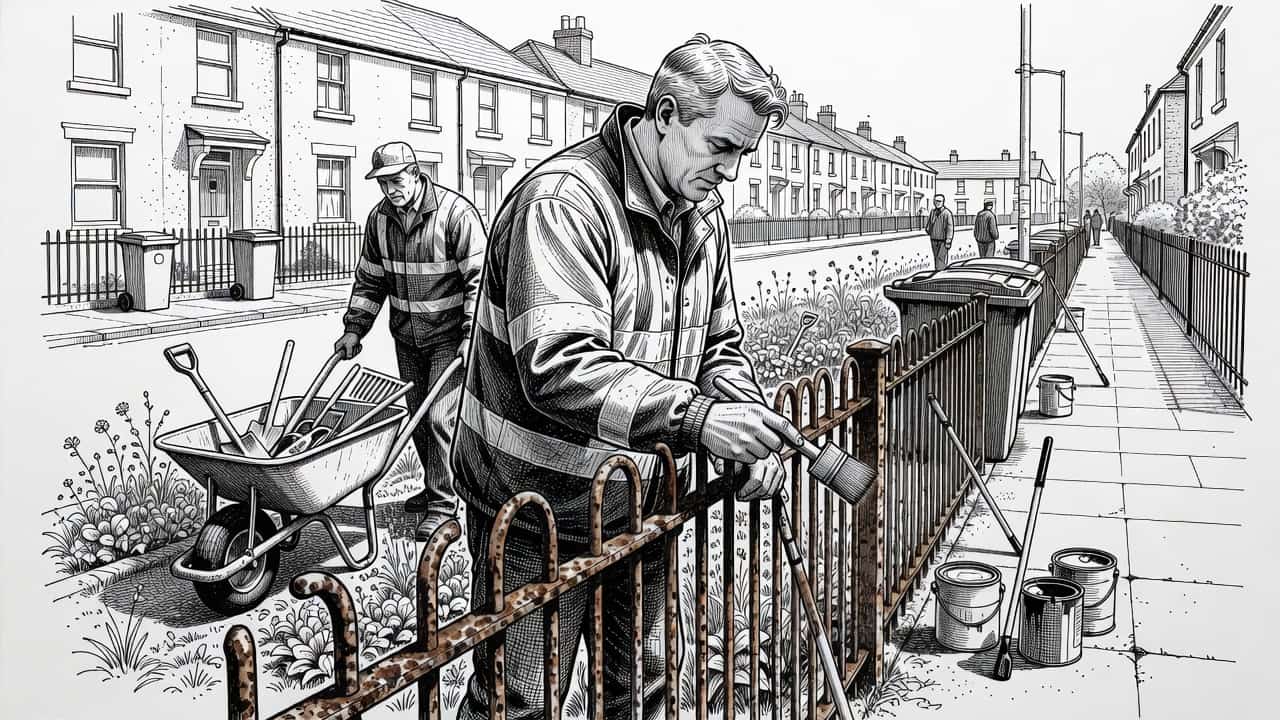
If this is part of meaningful training and community work not just a punishment for your circumstances. If you can emerge with a reference and use it as a means to find work, it might be useful.
But they must be paid say another £200 a week more for doing it . If not it's just slave labour
If the work is there to be done it should be fine for a proper wage. If it isn't, this is just performative cruelty.
People who are unemployed are in a never ending feeling of despair where the thought of work terrifies them. There are also way too many people who due to their crimes are not allowed to work. The biggest problem we have is people working who have to decide between food heat and or clothing never mind entertainment such as football.
Why are year? Once unemployed around 3 month is sufficient.
Yes, however forced is a wrong word, encouraged to work. Total benefits should be lower than minimal wage. And trim down every 2-3 months.
The vital issue is "how do we get more long term unemployed into work that will nourish them and benefit the economy - into real jobs?" You don't do that by forcing them to do community work.
No. Create paid job roles to do this, with decent pay and conditions, and mandate these to the long-term unemployed. That will get them off welfare and into a job. Problem solved.
Why should people be paid to do nothing for years and years? It is quite right to ask them to do a meagre 20 hours to earn their benefits. Refusing to do so, I’m afraid says more about the person on the benefits and why they’re on it. To avoid work and live the comfortable and easy life whilst everyone has to work hard for what they earn.
There is a reasonable expectation that those who are able to work should contribute something in return for continued support from the public purse. Twenty hours of useful community work after a year out of employment seems a modest expectation, particularly when the alternative is allowing prolonged inactivity to become normalised. It should be about maintaining purpose, routine and a connection to the wider community.