HealthEnded 10 Jul
Should the Department of Health approve NHS capital projects worth up to £300m without Treasury sign-off?
Yes 31%No 69%45 votes cast
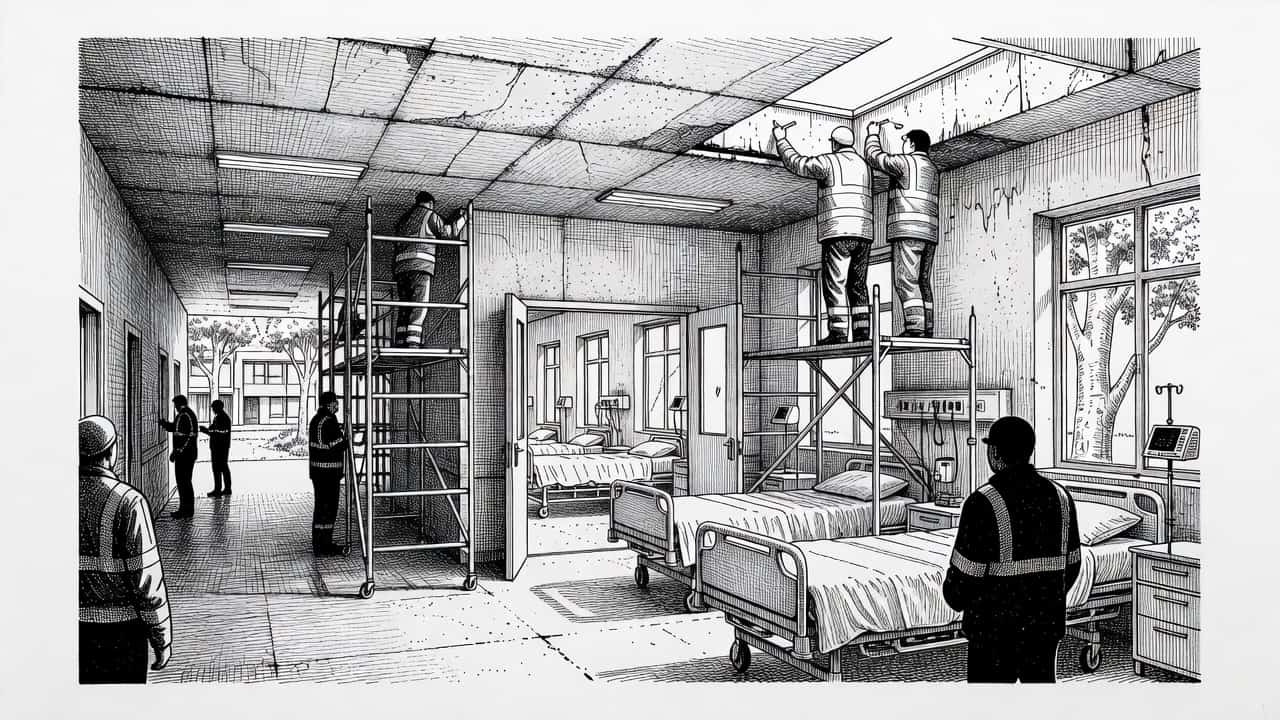
The government has announced reforms allowing the Department of Health and Social Care to approve capital projects up to £300m without Treasury approval. This forms part of a 10-year plan to cut bureaucracy, modernise the NHS estate and shift care from hospitals to community settings. The plan includes £1.6bn to remove RAAC from 22 hospitals over four years and £200m for new or upgraded neighbourhood health centres by 2030.
Sourceconstructionnews.co.uk
Jump to opinions


0 Opinions
Weigh in on the debate.