The most striking thing here is not that the death penalty found support in principle, but that the question's breadth became the battleground: this was less a verdict on hanging murderers than on how far the rope should reach, and the chamber only narrowly decided it should reach very far indeed.
The gender divide tells its own story: men here split close to even, while women broke firmly against, a pattern that sits oddly with the emotive child-abuse framing meant to drive support, and suggests women voters were less swayed by the visceral case and more wary of where "all violent crimes" actually ends. Age offered no clean generational story, with younger and older cohorts scattered on both sides rather than lining up as a straightforward youth-versus-elders fight.
The result echoes a live fault line in British justice politics — the periodic clamour, often stoked by high-profile repeat-offender cases, to revisit 1965 and 1998's abolition, running up against long-standing concerns about miscarriages of justice and proportionality that kept capital punishment off the table even through decades of "tough on crime" rhetoric. That the wording here stretched from murder to undefined "violent crimes" only sharpened the tension between visceral demand for retribution and the drafting caution that has always shadowed this debate.
That tension showed directly in the floor's top exchange. The Yes side's most-respected voice was uncompromising — "The only cure for a child abuser is the Rope. And I mean every child abuser" — while the leading No voice accepted capital punishment for "murder, rape and the worst types of child abuse" but balked at a question that "would also apply to simple battery, strong arm robbery and even mere threats."
Even those pulling the same lever, then, were not always voting for the same law.




9 Opinions
It would be challenging to frame legislation to circumscribe those cases which would fall under a death penalty, but I firmly believe that monsters such as Axel Rudakubana should face capital punishment. In his case I’d happily support retrospective application!
Clearly the current punishments aren’t enough to deter people so let’s go bigger. I’m sorry if you can’t control yourself, then why should we show such restraint and pay for you to be alive in prison fed and warm seems wrong to me. You commit a life changing act and it’s proven then you pay for it with your own life ending consequences
The problem here is the overbroad wording of "all violent crime". I support the death penalty for murder, rape and the worst types of child abuse, but as presented this would also apply to simple battery, strong arm robbery and even mere threats.
Forensics has moved forward massively. So wrongful conviction should not happen. No Forensics in case, life in prison instead
We already have the data to show the death penalty does not prevent crime but it does allow the risk of wrongful convictions being irreversible The idea of 12 people judgements and how they feel on the day deciding whether you live or die is not justice it is barbaric.
People committing such heinous crimes are not fit to be members of our society. Darwinian imperatives to achieve and maintain a healthy society means we must get rid of undesirable characteristics, by discouraging and eliminating those who would practice them.
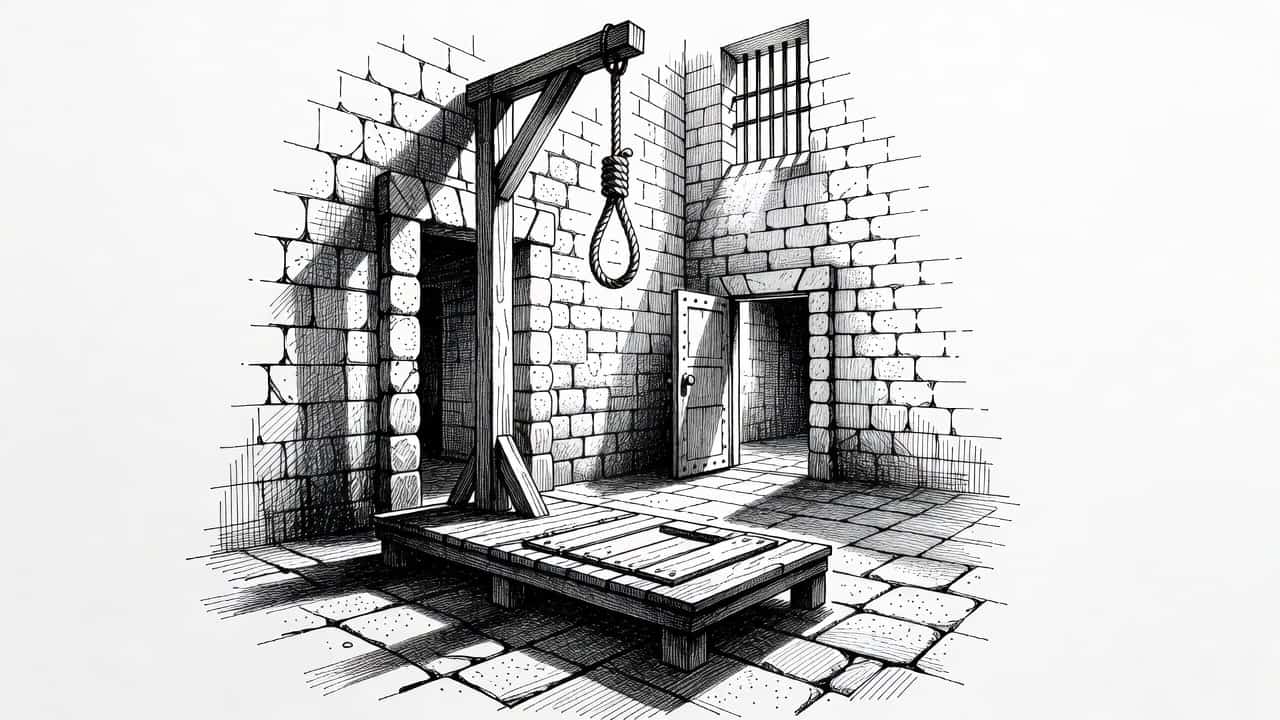
It is inhumane to cage people for decades. People who rape and murder and are repeatedly violent are not people we want free in society - or caged for decades. The rope is quick and effective. A clean break is the best solution
Yes yes yes !!! The only cure for a child abuser Is the Rope. And I mean every child abuser.
I submitted the referendum.