There was no fracture here worth calling a fault line, which is itself the finding: from the youngest voters to pensioners who remember the utilities before Thatcher sold them off, every age band backed public control by wide margins, with the 45-54s and over-65s the most emphatic of all. When a question this politically loaded produces near-uniform assent across cohorts that usually disagree about everything else, the story is the consensus, not the split.
If there is a divide, it is the mild gender gap – men voted yes by a wider margin than women, though women still backed control by three to one – too modest to carry the result on its own, but a reminder that even the softest dissent skewed female.
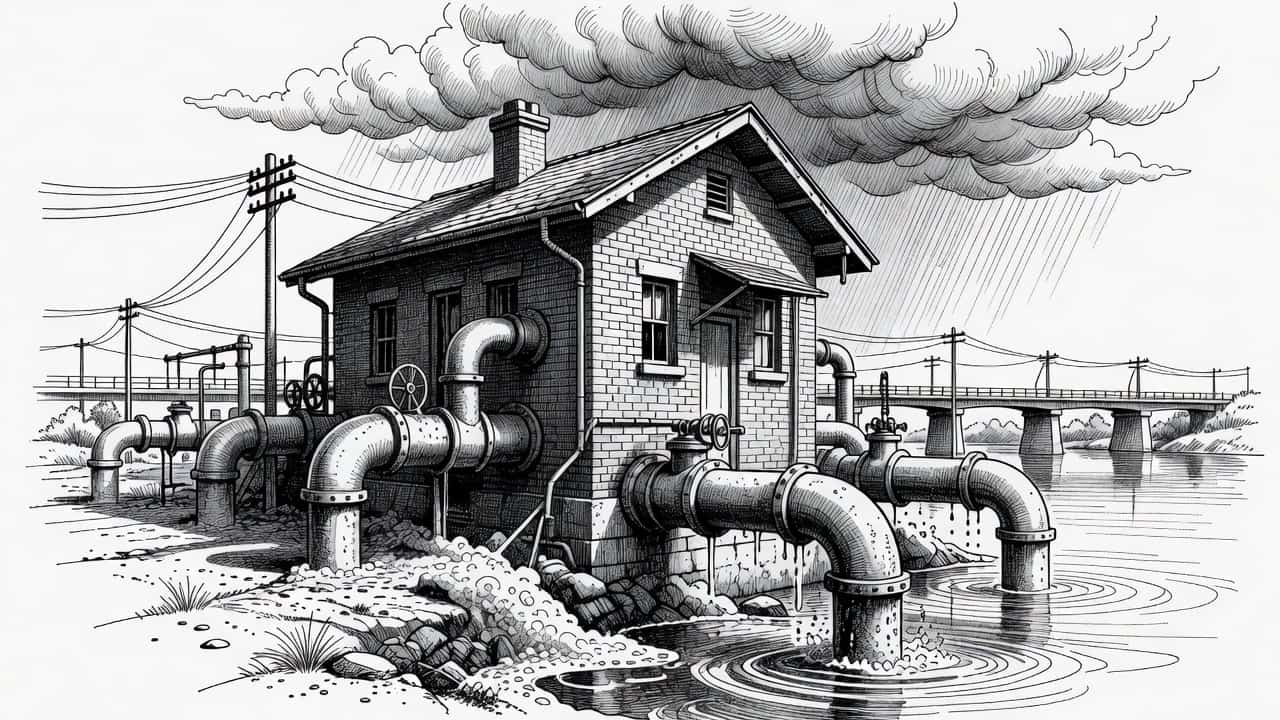
The vote lands squarely on the argument that has simmered since privatisation: whether Ofwat and Ofgem regulation has actually delivered for households paying record bills while watching sewage spill into rivers, or whether the natural-monopoly logic that once justified public ownership never really went away. Scotland's public water model and memories of pre-1989 Britain clearly still exert a pull on this chamber.
Not everyone was convinced the alternative is better. The most-respected sceptical voice conceded the case for change but recoiled from the proposed cure, warning that a government seen as failing would only "muck it up even more" if handed the keys back, an argument that won 33 votes but not the day.
A chamber this lopsided isn't asking whether utilities have failed the public — it has already decided that; the only live question left is who it trusts to fix it.





1 Opinion
We just need better accountability. Letting our failure of a government nationalise things? Laughable - as if they'd do anything but muck it up even more!