A modest win for the government's civil-preparedness push, 34 to 27, masks a much stranger story underneath: this was not a steady march from sceptical old to eager young, but a vote with a hole in the middle. The 35-44s, alone among every age group polled, rejected the idea entirely, while those a decade younger and a decade older were both broadly persuaded.
That anomaly is the real story here. Britons in their late thirties and early forties, often parents of young children and holders of mortgages, seem to have heard "prepare for cyber-attacks and extreme weather" as alarmist state overreach rather than sensible resilience, even as the youngest voters, perhaps more attuned to climate anxiety and digital threat, backed it almost to a person. The 55-64s, meanwhile, arrived at their own even split, suggesting the scepticism isn't generational fatigue so much as a distinct pocket of resistance.
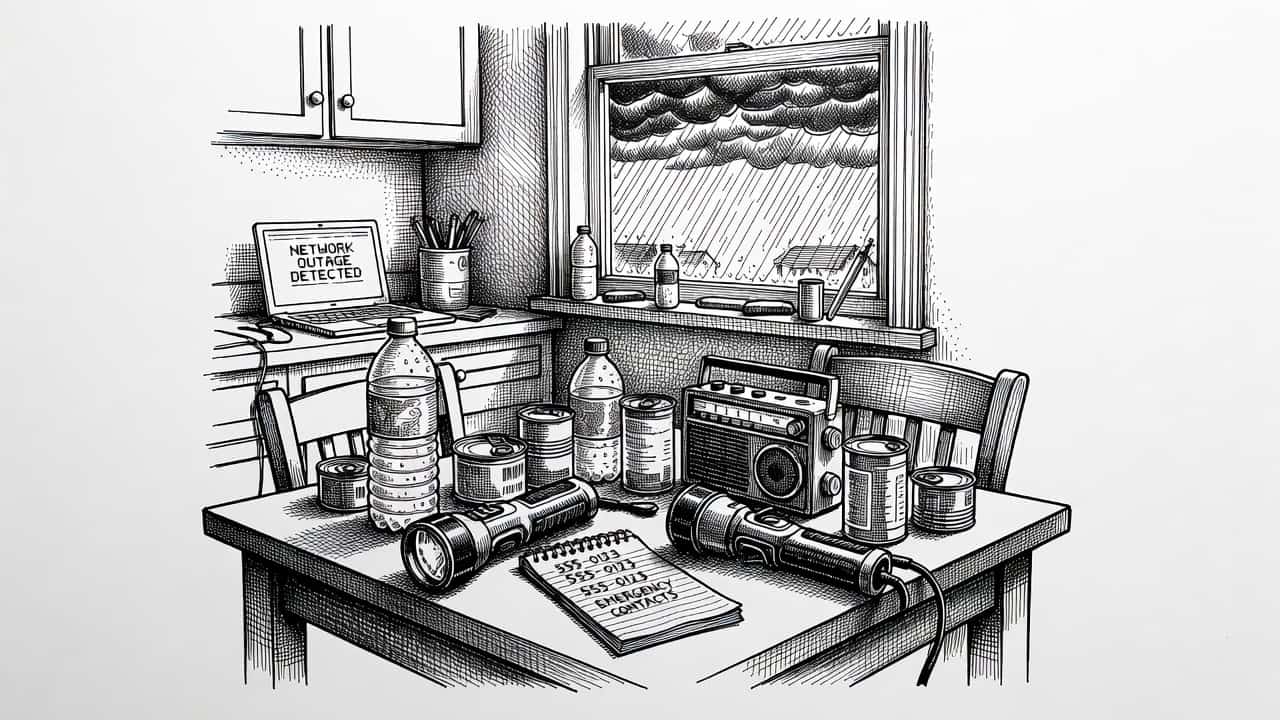
The result sits squarely on the fault line running through debates about state paternalism since the pandemic: is telling citizens to stockpile water and batteries prudent statecraft, echoing wartime "Keep Calm and Carry On" instincts, or is it a government dramatising risk to justify its own expanding remit, in the spirit of net zero and ECHR-style arguments about where state responsibility ends and personal life begins.
Britain said yes to being told to prepare, but not everyone was listening equally.


0 Opinions
Weigh in on the debate.