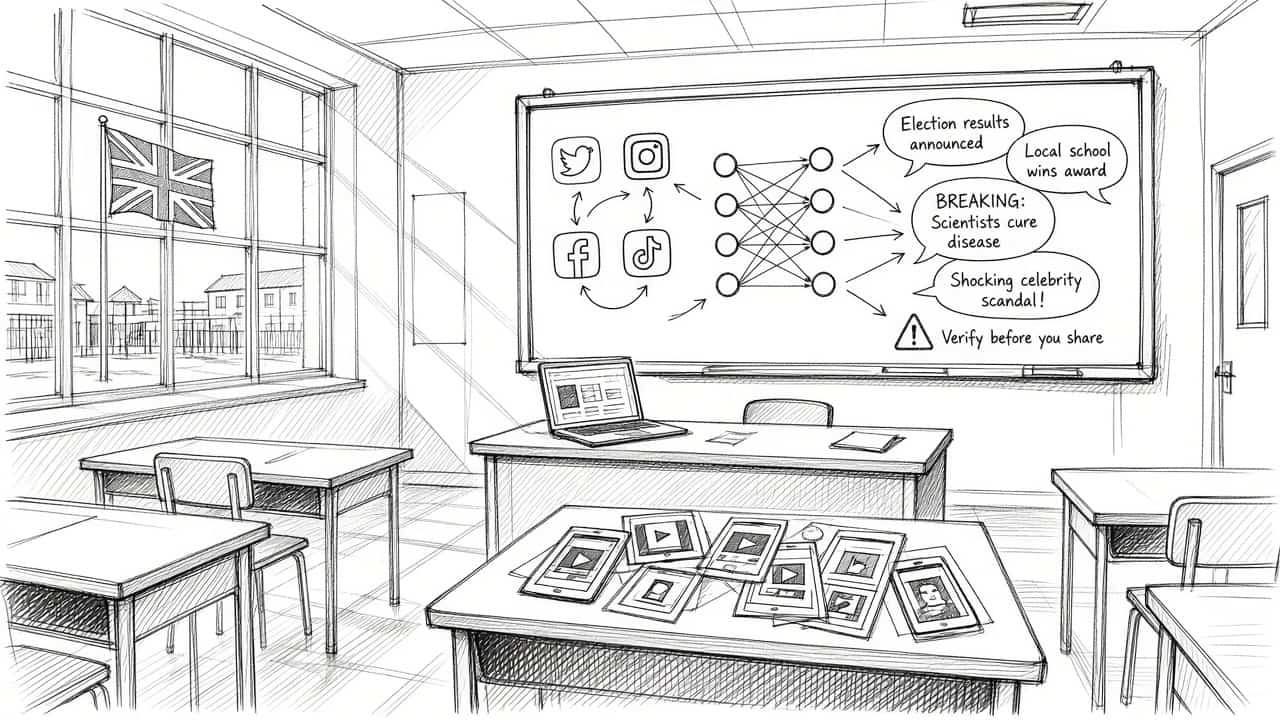
Children’s digital lives won a near nine-to-one endorsement, but the sharpest argument in the room came from the other side: “No, looks like another attempt to further brainwash kids with Lefty ideology.” That mismatch is the result’s most revealing feature: a decisive Yes vote alongside a serious distrust of whoever gets to define truth.
The winning case was practical rather than starry-eyed. Its strongest voice called media literacy “a Skill for Life”, while another Yes voter said children needed “the practical tools to question what they see on a screen” — provided reading, numeracy and independent thought came first.
No voters did not reject scrutiny so much as resist state ownership of it. The floor’s next-most-respected No argument said, “Teach them to read a claim, including the official one”, while another warned that “a branded media-literacy unit is usually the approved list of harms”; a third condensed the objection to “Teach critical thinking, not approved opinions.”
That is where the two sides talked past each other. Yes voters saw schools as a necessary backstop in a fast-changing environment — one argued that “many parents cannot keep up with the changes, dangers and newest trendy platforms” — while No voters treated government involvement itself as the central danger.
The debate therefore landed inside the wider argument over trust in institutions and the curriculum’s purpose. The strongest shared instinct was not obedience but scepticism: “The main thing that needs to be taught is provenance.”





28 Opinions
No, looks like another attempt to further brainwash kids with Lefty ideology. The biggest misinformation dealer is government, who no will decide what is and what isn't misinformation?
This would fit in well with the current SKL lessons as it is a Skill for Life. My only concern about anything like this being taught is the ideological stance of teachers - so who would draw up the lessons and would be just end up with an hour of insulting Elon Musk for buying Twitter, rather than actually looking at how using AI causes your brain to atrophy!
Children need media literacy, but the government shouldn’t decide what is classed as misinformation or trustworthy. Teach critical thinking, not approved opinions.
An appalling own goal by those voting yes. You're giving the Left a gift. I do not trust the tutoring of the existing curriculum, adding this will only create more opportunity for churning out brainwashed youngsters with pre-conditioned opinions of which media is acceptable. Teaching them to be sceptical and to question everything is the only sane educational input and I wouldn't trust our teachers to tell the truth about the weather outside.
Axiomatically it is essential that children are given as many alternative views and opinions as possible. Children’s brains are like sponges & despite those who try and limit children’s potential by referencing their own failure & lack of ambition, the more our youth are prepared, the better chances they should have in a very dangerous world.
Certainly we should be helping children (everyone, really) understand changes, but government has shown itself to be incompetent in this sphere. Amelia, the Nudge Unit, Prevent and many more all promote biased, partial views.
Social media is constantly evolving so it would have to be generic. I think guidance for children would be good and many parents cannot keep up with the changes, dangers and newest trendy platforms. However, it needs to be taught impartially and generically not by some woke lefty green party teacher - that would just damage kids. Parents should still be able to parent their children.
I say no as children will decide on thier own in the world of technology going forward. They will decide and analyse themselves. And anyway I do not trust the government program as it could also be putting out misinformation to suit their own ideology on our children which unfortunately in my opinion is the Left and their destructive unrealistic ways.
Very much an on the fence vote but leaning to yes. Part of our evolving world means preparing older (secondary age) kids for the real world means giving them the practical tools to question what they see on a screen. However, we need to prioritise ensuring we teach kids how to read, do sums, and think critically for themselves first before any online / social media literacy lessons
The state should not have a monopoly on what counts as misinformation. They are directly incentivised to decide to obscure or give misleading information to children. It is paramount that we teach children to think beyond a headline to question and contrast.