Age did more work than politics here. What looks like a comfortable win for tightening PIP's daily living test masks a generational slope: the youngest cohort was evenly torn, but support climbed almost in a straight line through each decade until the small clutch of over-65 voters backed it near-unanimously. On a welfare question, that is the opposite of the pattern reformers often fear, where older voters, closer to needing such support themselves, prove the most protective of it.
The gender gap was just as telling. Men voted for tightening by two to one, women split it down the middle, a divide that tracks the wider pattern in disability and welfare debates where women, more likely to be carers or claimants, tend to weigh the human cost of stricter thresholds more heavily.
The result sits squarely on the fault line that forced Labour's own retreat: a manifesto built on protecting the vulnerable colliding with a Treasury hunting £5.5bn in savings, and a backbench rebellion that has already pushed the policy into review under Stephen Timms. This chamber's yes vote suggests the public appetite for tightening is real, but only among those with least at stake.
That the old were readier than the young to see the bar raised is the kind of finding that flatters no one's priors, least of all the rebels who forced this pause.







1 Opinion
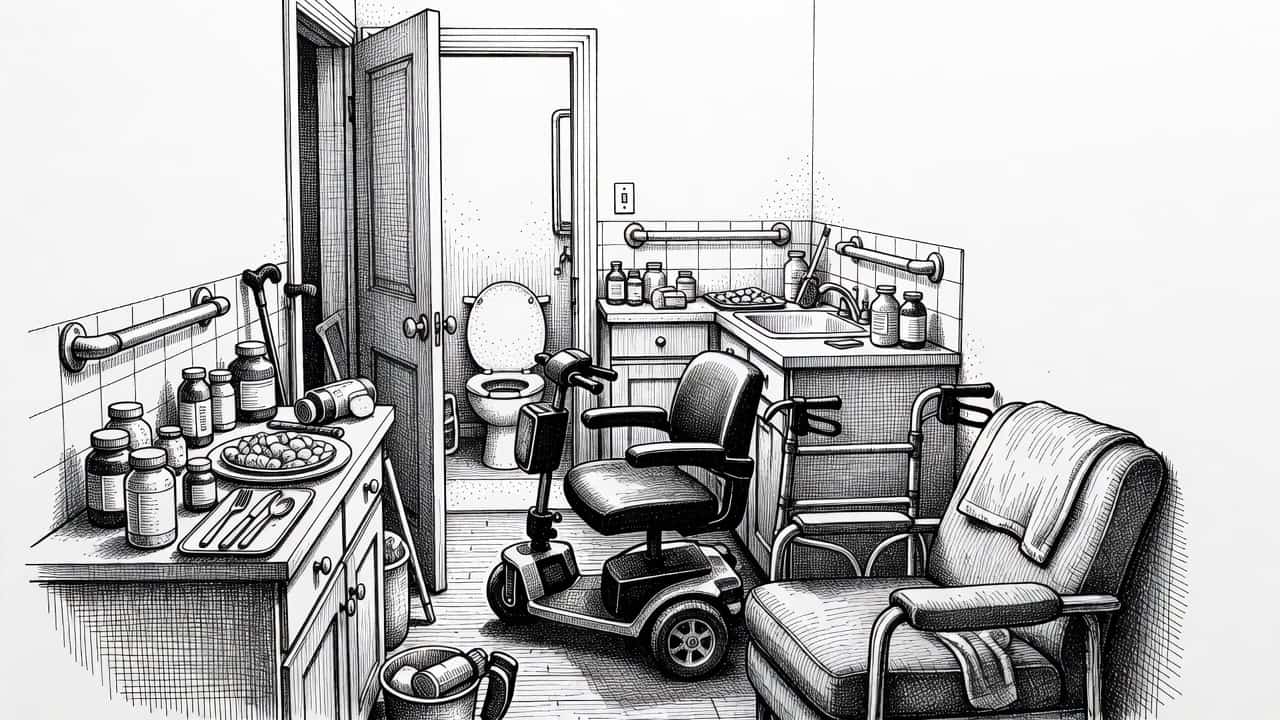
After having 2 strokes in 24 left me with chronic fatigue I know what it's like