The most arresting thing about this vote is not that Yes carried it, comfortably enough at 58 to 42, but who supplied the margin. The under-35s backed the policy overwhelmingly, treating heat pumps and time-of-use tariffs as simply the shape of the future, while the 45-54s were the only bloc to actually vote it down, suggesting a generation with mortgages, boilers and settled routines is less easily persuaded that the upheaval is worth the promised £550.
The sharper divide, though, runs along gender rather than age. Men voted for the policy by roughly two to one, but women turned decisively against it, a reversal stark enough to suggest the technologies on offer, and the capital outlay and disruption they imply, land very differently depending on who is expected to manage a household's energy bills and who bears the risk if the savings do not materialise.
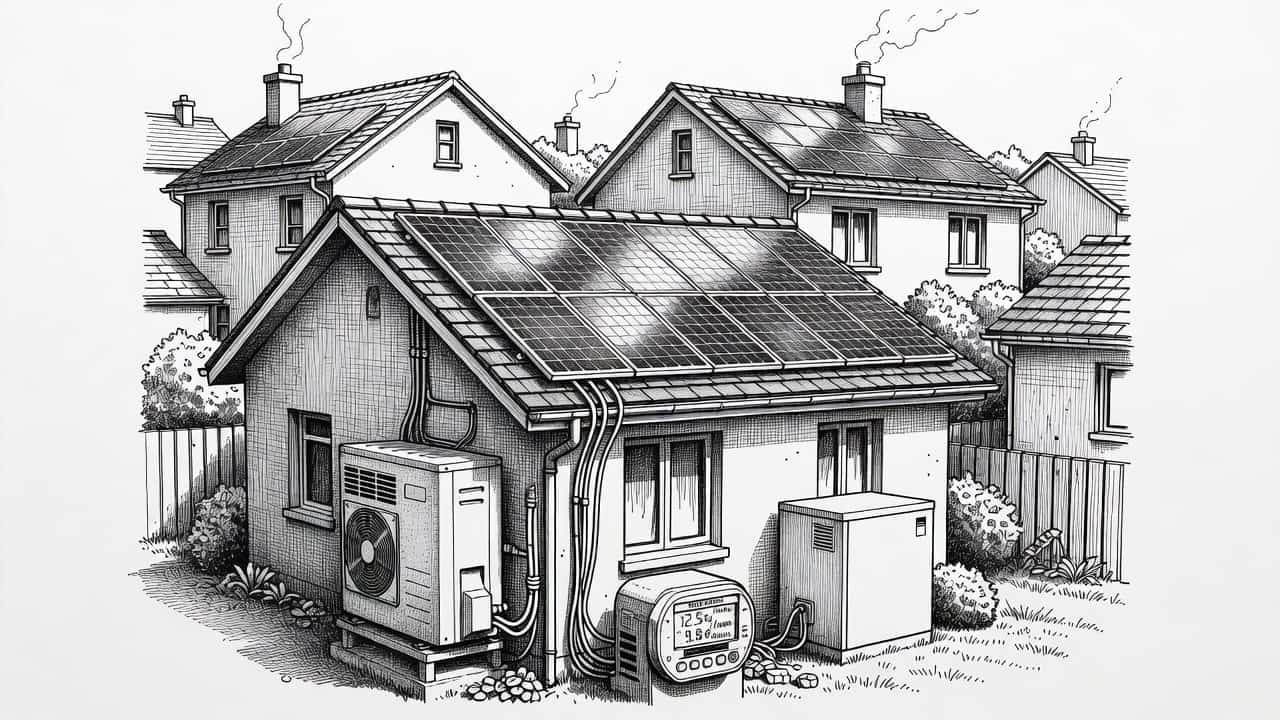
The result sits squarely on Britain's net zero fault line, where the government's Warm Homes Plan promises lower bills and lower emissions in the same breath, and where scepticism tends to focus not on the destination but on who pays to get there and how fast. That the chamber landed on Yes while still showing real resistance from women and midlife voters mirrors the wider public argument, where the policy commands majority support but far from unanimous trust.
The floor's dissent had a harder edge than the numbers suggest. Its most-respected No voice dismissed the whole package as "enviro-panic, eco-scams" and called for nuclear instead, arguing solar and wind are "horse-dung" that "ruin the environment with their waste," a reminder that some opposition here was not caution about cost but rejection of the technology itself.
A Yes with a majority, but not yet a consensus, and one where the fault lines run through the kitchen table as much as the ballot.


4 Opinions
Alternative energy is a scam. We moved from horses to motor vehicles because they were better - and the manure problem improved as a side effect. If climate change is truly an issue, and I dispute it, we have to innovate out of it.
With continuous and promising improvements in upcoming nuclear fusion projects, it would seem that nuclear is the horse to bet on. Of course, existing nuclear fission reactors are also increasingly reliable as well.
Expensive waste of money, there are 23 million gas boilers in the UK that are more cost effective, and there is not enough electricity generated to service heat pumps.
More enviro-panic, eco-scams? Grow up. Invest in nuclear instead. Energy bills would be annihilated with a proper nuclear energy infrastructure. Solar and wind are horse-dung and ruin the environment with their waste.