The chamber's instinct on Trident's future turned out to be generational in a way that scrambles the usual script: it was the over-65s, not the under-25s, who proved most sceptical, while every working-age cohort backed further investment by a comfortable margin as the vote closed at three in five for Yes. That inversion is worth sitting with, given how often nuclear deterrence is framed as a settled Cold War instinct of the old guard reasserting itself against a supposedly pacifist young.
The gender split cuts a similarly counter-intuitive line — women here backed expansion more strongly than men did, a pattern that complicates any easy story about deterrence appealing chiefly to a hawkish male constituency, and suggests the £64 billion price tag and the AUKUS-era logic of undersea and great-power rivalry are landing broadly, not along the fault lines commentators might expect.
The result sits squarely on the fault line running through British defence debate since the Ukraine invasion: whether deterrence spending should crowd out or complement conventional forces, and whether a quarter of the military budget on nuclear weapons is prudent hedging against Moscow and Beijing or a strategic distortion.
That tension showed up directly in the floor's best arguments. The Yes case was blunt — "It's a deterrent. We must." — while the most-respected No voice didn't reject the deterrent principle so much as its sequencing, arguing the case holds "not until conventional defence has been strengthened."
A chamber unusually split by age but united across gender has, in effect, told Whitehall it can proceed — but that the argument over priorities within the defence budget is far from closed.
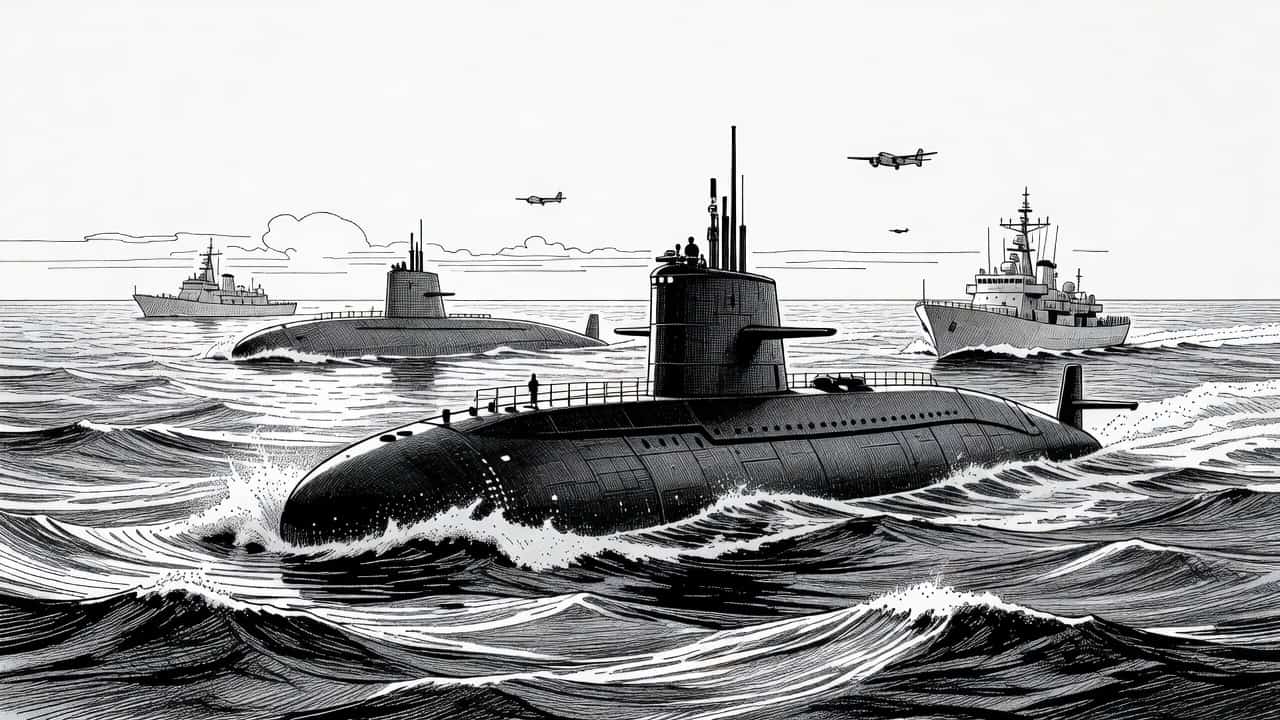


5 Opinions
The CASD capability sets Britain apart from other nations and underpins the remaining elements of its Defence plan.
It's an increasingly bellicose and trigger-happy world at the moment, and we must protect our country by dissuading hostility. Peace is very fragile right now.
Power is the only language the world understands. History doesn't repeat, but it rhymes. Weaken yourself at your own peril, but I for one won't allow Britain to do so.
Yes. It's a deterrent. We must.
Not until conventional defence has been strengthened or deterrence isn't very deterrent.