There was no generational fracture to speak of here, which is itself the story: every age cohort from the youngest to the over-65s backed the manifesto by comfortable margins, a rare instance of the industrial question uniting voters who normally split hard on economic intervention. The one divide that did register was gender — men leaned yes while women split the difference evenly — suggesting the manifesto's appeal ran stronger where it read as a growth-and-investment prospectus than where it might have been heard as another round of state-directed industrial policy.
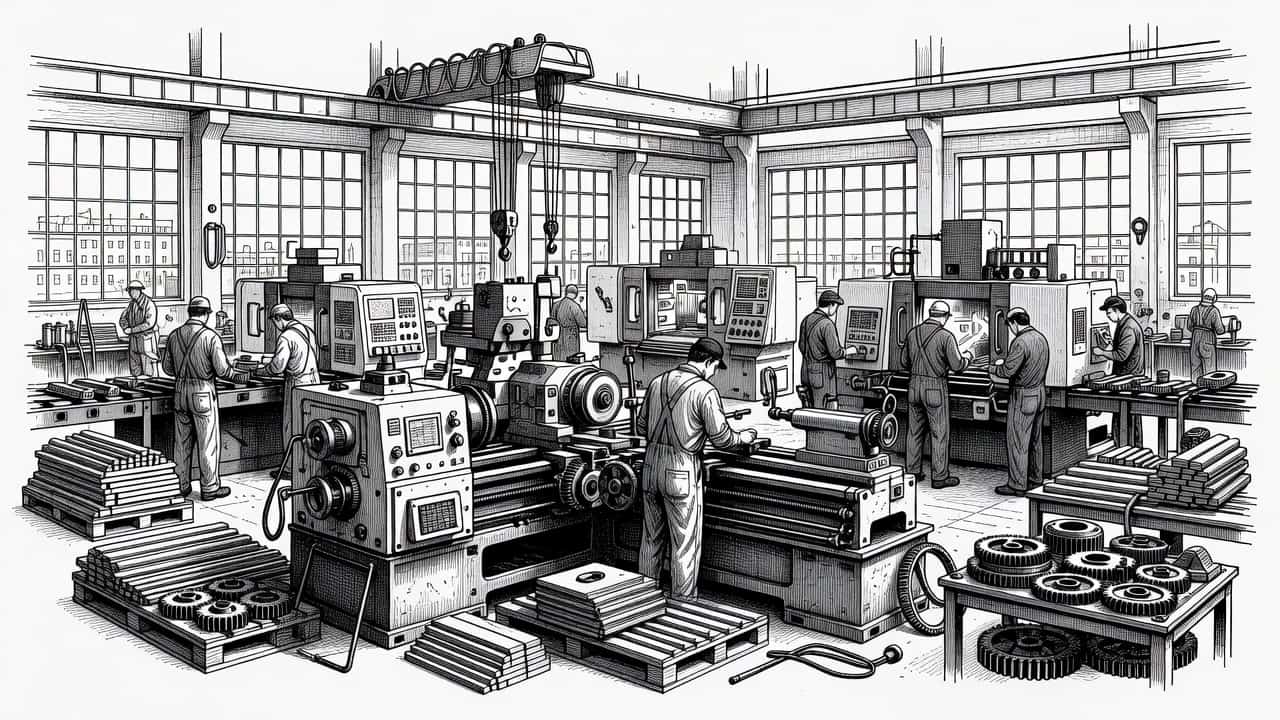
The vote lands squarely on the re-industrialisation argument that has run through UK politics since the 2016 vote exposed how hollowed-out manufacturing regions felt by globalisation — and it comes just as a new Burnham government, with its northern political roots, weighs how far to go in backing Make UK's demands for investment incentives and looser planning around factories. That the chamber said yes so decisively suggests an appetite for a state that picks industrial winners more openly than recent governments have dared.
Not everyone was convinced the state was the answer. The most-respected dissenting voice on the floor argued that intervention itself was the problem, writing that "every action of the government makes issue worse" and that the fix lay in lower taxes, less red tape and tariff protection for domestic producers rather than a manifesto of state action — a case for getting government out of the way rather than enlisting it.
A chamber this united on ends but divided on means is telling Number 10 that the demand for manufacturing renewal is real — the argument now is over who delivers it.




1 Opinion
For unknown reason every action of the government makes issue worse. War with crime, war with drugs, stopping the boats. They need to cut taxes, cut the red tape, procure on domestic market, put tariffs on goods and services we can deliver domestically and manufacturing will return.