What stands out is less the topline than the dip in the middle: support ran strong among the youngest voters and comfortable among the 55-64s, but the 35-44 bracket alone tipped to no, the one age group unconvinced that timber frame is the shortcut to more homes rather than a compromise on them. That trough suggests scepticism clusters less around age itself than around whoever's likeliest to be weighing up a mortgage on a timber-frame new-build right now, rather than dreaming of one or reminiscing about brick.
The gender gap is sharper still: women backed the idea by better than two to one, men split almost down the middle, a divide that tracks less a dispute over engineering than a familiar pattern in these sustainability-adjacent votes, where women here have repeatedly proved readier to back the greener, faster option and men more inclined to interrogate the trade-offs.
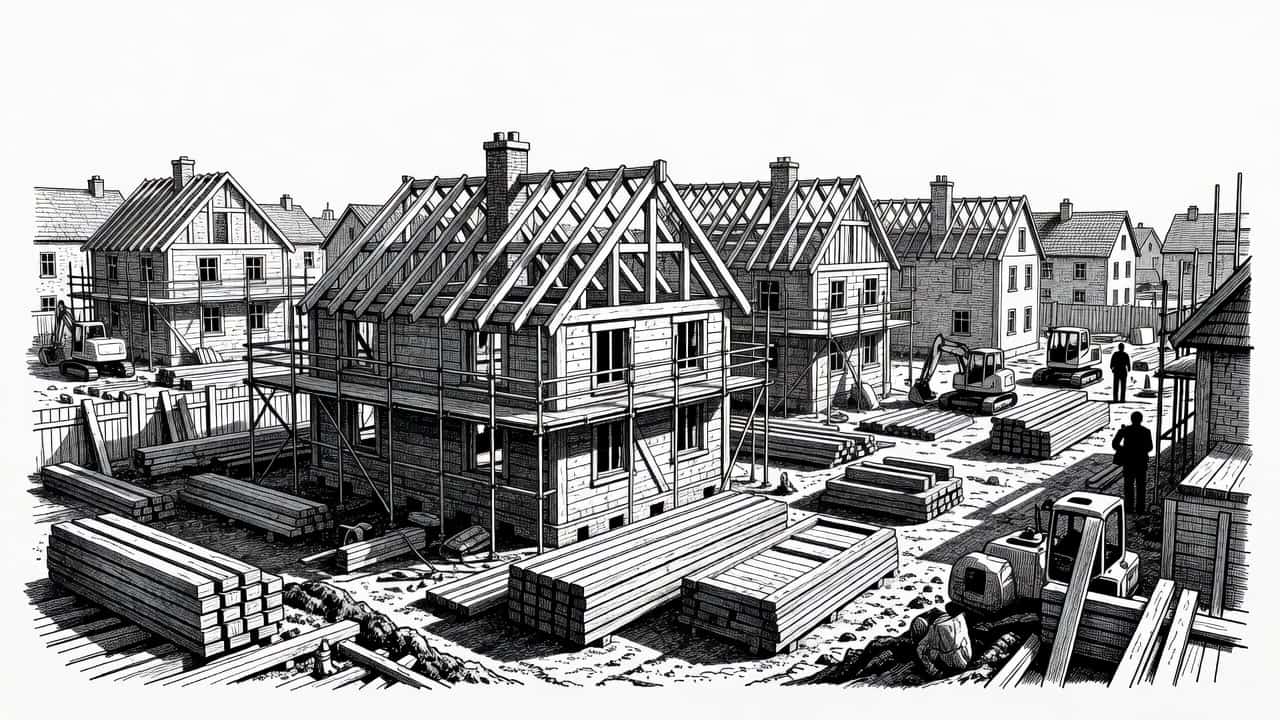
The vote lands squarely on the fault line running through Net Zero 2050 and the government's own Timber in Construction Road Map: whether decarbonising the housing pipeline means genuinely rethinking materials, or just adding cost and risk to a system already straining to hit its targets. That the housebuilders themselves are already moving into timber frame gives the yes side's momentum a real-world echo beyond the chamber.
The floor's exchange captured the tension neatly. The top yes voice put the choice starkly, arguing "we can't afford to make or import steel, so we have to devolve back to Tudor times apparently," while the most-respected no voice countered that mass timber risks repeating history, "this is why we have no forests in the first place," though allowing they'd switch sides for a genuinely sustainable, slow-grown supply.
Even the dissenters, it turns out, weren't arguing against timber so much as against doing it badly.


3 Opinions
No - this is why we have no forests in the first place - that and Henry VIII's love of a big ship. If, on the other hand, you're talking about growing forests with 100 year old trees in a sustainable that will provide the sort of timber our ancestors worked with for building, ie restocking over tome , a slow iterative building medium, then I'll change me vote
The government should not get involved. If people want to buy this sort of house they will. And we have no shortage of houses. We simply have too many immigrants. Once they all leave we will be demolishing surplus houses.
Well, we can't afford to make or import steel, so we have to devolve back to Tudor times apparently...