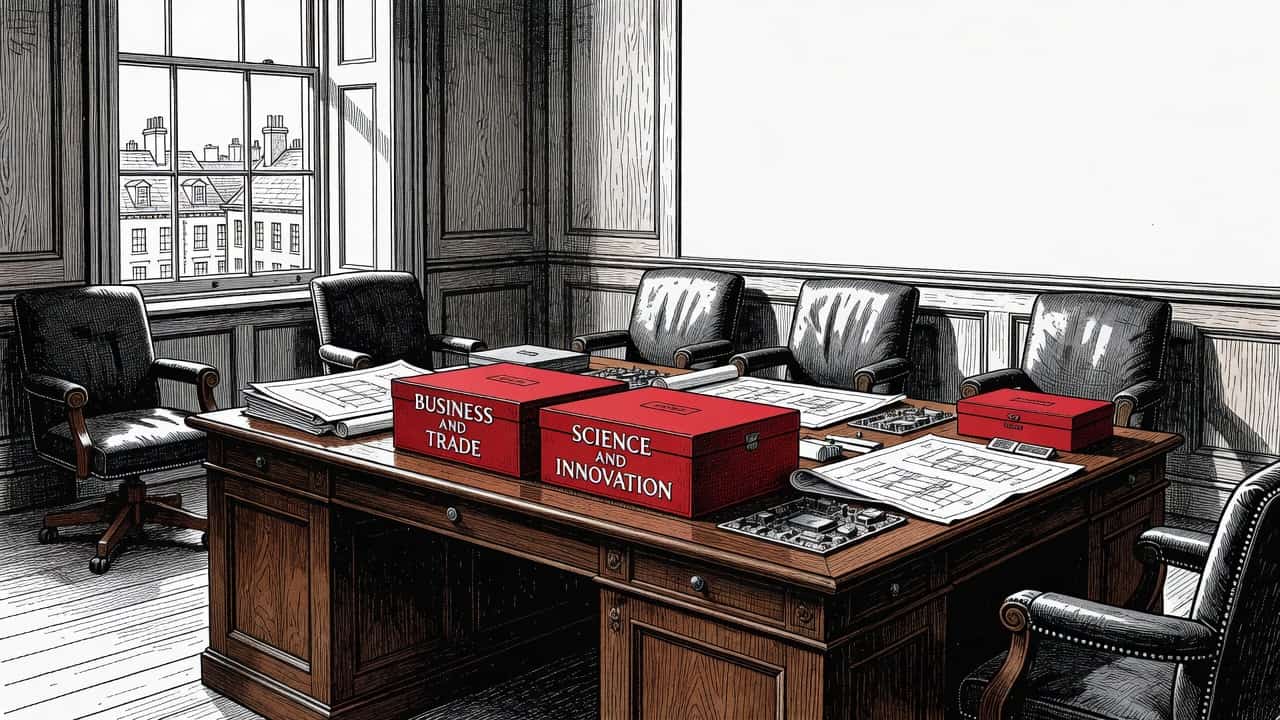
The instinct that science needs its own department rather than a subsidiary line in someone else's brief carried the day, with No winning by roughly thirty points among the 98 who voted. That reads less as a verdict on Jonathan Reynolds or Andy Burnham personally than as a statement about status: strip science of a stand-alone secretary of state, this chamber suggests, and you signal it matters less than trade deals or business rates.
The sharpest divide was generational in an unexpected shape: it was the 35-54s, not the young or the very old, who dug in hardest against the merger, while under-35s and over-55s were comparatively split. That middle cohort — likely to include people working in or adjacent to research, universities and the tech sector Burnham's reshuffle folds into "business" — seems to have read the change as the clearest signal that innovation policy is being subordinated to commercial priorities, where the bookends of the age range had less at stake either way.
The result echoes a recurring argument in British machinery-of-government debates, from the merging and unmerging of trade and international development to arguments over whether net zero belongs with energy or business: whether bundling technical, mission-driven departments into broader economic ministries sharpens delivery or simply buries them. Coming so soon after DSIT's creation in 2023 specifically to give science its own institutional home, this vote suggests many still think that experiment was worth keeping.
A government reorganisation meant to streamline Whitehall instead found itself judged, by this self-selected jury, as a downgrade dressed up as efficiency.





0 Opinions
Weigh in on the debate.