REFNATION
WelfareNationalClosed · Final

Is removing the supported housing benefit cliff edge the right way to encourage residents into work?

Yes 53%No 47%89 votes cast

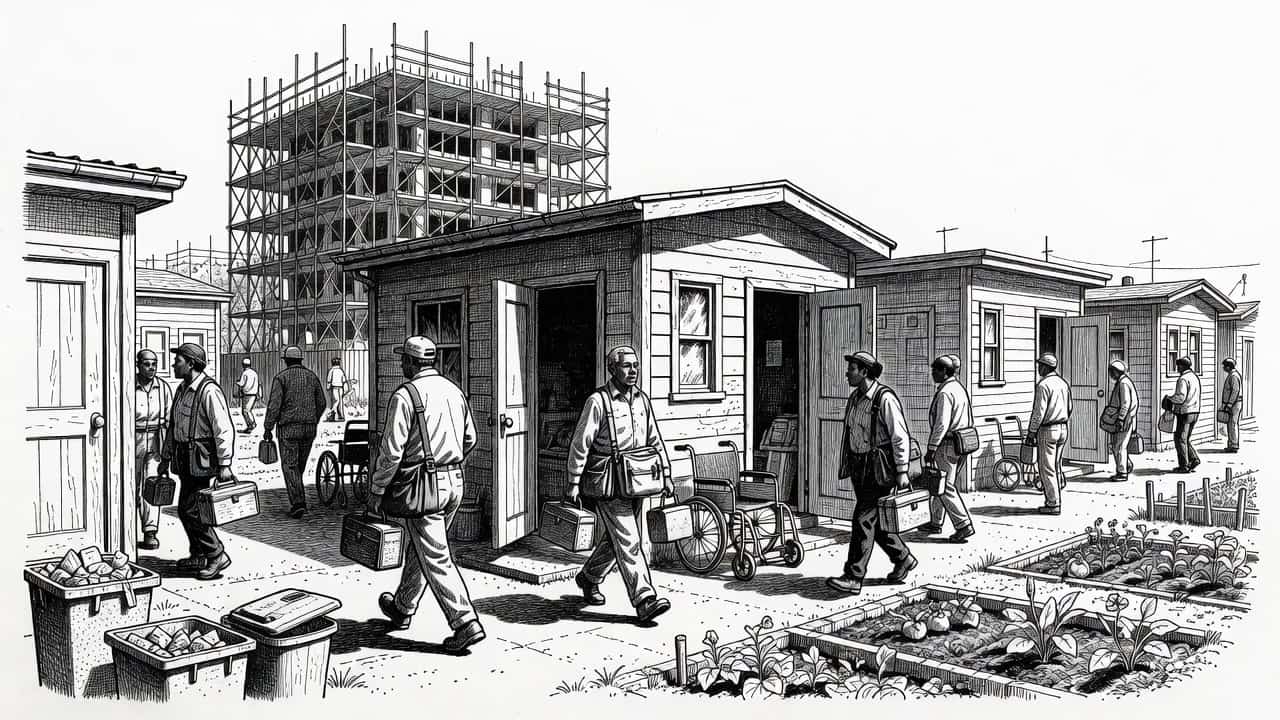
Supported housing provides accommodation with extra help for vulnerable groups including those with disabilities, mental health issues or leaving care. The current system often creates a benefit cliff where entering work leads to sharp drops in support, especially as the UK transitions remaining claimants to Universal Credit. High housing benefit costs, with Britain spending the highest share of GDP on such subsidies among OECD nations, have renewed focus on work incentives amid low employment rates in social housing.

Jump to opinions

For all the talk of work incentives, the sharpest fault line in this vote ran between the youngest and the middle-aged, not between left and right. The 16-24s broke decisively against the reform, wary perhaps of a system change that could touch their own tenancies, while the 25-44s embraced it by wide margins, seeing the cliff edge as the obvious deterrent to work that ministers describe.

Women split against the idea more than twice as often as men, who were mildly in favour, a gender gap that recurs whenever welfare reform touches the practicalities of housing and caring responsibilities rather than headline tax rates. The over-55s, by contrast, were simply undecided, dividing right down the middle in both of the two biggest cohorts.

The result lands squarely on the fault line the government itself has drawn, between simplifying Universal Credit's incentive structure and worrying that any tinkering with supported housing will hit the most vulnerable claimants hardest. A win this narrow, built on a coalition of the middle-aged against the young, suggests the policy has convinced those who might benefit more than those it is designed to protect.

Yes prevailed, but only by persuading the generation in work, not the one entering it.

LeftCentreRight
53%
Yes · 47 votes
47%
No · 42 votes
Spread the wordShare
Debate

0 Opinions

Sign in and vote to share your opinion.

Weigh in on the debate.