The most striking thing here is not just the scale of the win but how little resistance it drew: three to one for the three Rs, in a vote that saw barely a third as many objections as endorsements. Of 167 votes cast, 119 sided with Yes, and the argument that topped the floor's respect rankings from either side was the Yes case that the core disciplines "underpinning communication and logical reasoning… their presence enables, their absence disables" — a tidy, functional justification that plainly resonated.
Yes voters built their case on foundations rather than flourishes: literacy and numeracy as the gateway skills that make everything else, from computing to employment, possible, with one voter noting starkly that "once children are literate most need to start a job." A more disciplinarian strand also surfaced, one Yes voice calling for pupils to repeat years until they mastered the curriculum — a harder-edged reading of "no brainer" than most of the side offered.
The No side, though outnumbered, landed the debate's most quotable line, invoking Dickens's Mr Gradgrind and his demand for "nothing but Facts" to warn that pedagogy "has moved on" from such reductive thinking, while asking simply whether small children might still "play, please." A second No voice pressed a similar point without the literary flourish, wanting more art, music and nature and less of what felt like "a PowerPoint lesson I downloaded earlier" — but neither objection found the traction the top Yes argument did.
The result lands squarely on one side of a long-running fault line in English primary education — the EYFS's broad, play-based framework versus a back-to-basics instinct sharpened by persistent DfE data on children missing literacy and numeracy benchmarks — and the floor, at least, knows which way it wants that argument settled.







6 Opinions
Yes, it is no brainer. I also would finish "great effort" culture in education, and if a pupil will not learn current year curriculum, he or she would have to repeat a year until success - that way we ensure kid will not slowdown class in the incoming years.
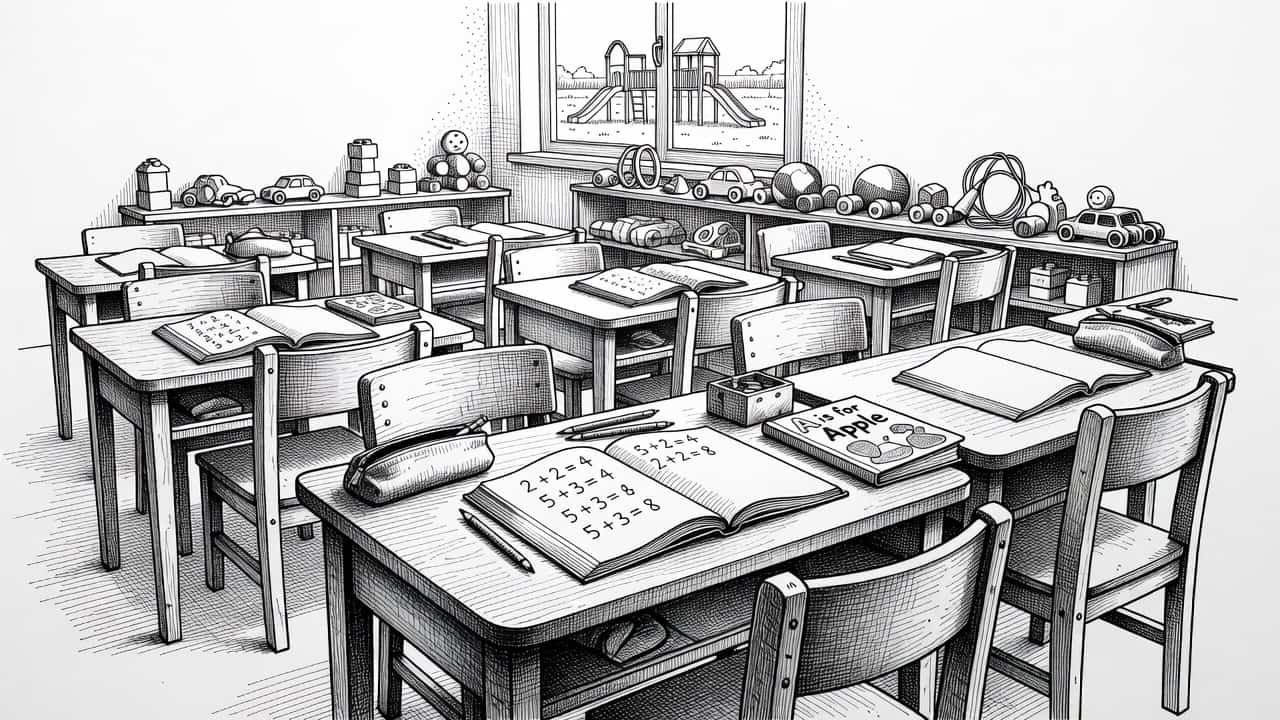
No - I agree these are core skills, but can pre-school children and 5-8 year olds also play, please? You seem to advocate a rather Dickensian approach to education. As Mr Gradgrind would say "Now, what I want is Facts. Teach these boys and girls nothing but Facts", in 'Hard Times' but education has moved on and quite a lot of work has been done on Pedagogy that goes beyond such reductive thinking.
These three disciplines form the core skills necessary for so many other activities, by underpinning communication and logical reasoning. Their presence enables, their absence disables.
Once children are literate most need to start a job.
Once you master those 3 subjects computing, science and other subjects are accessible
Reading and writing and being able to communicate obviously underpin future success but please can’t the curricula be made more interactive with more art, DT , nature , music at the moment it seems a lot like sit down and here’s a PowerPoint lesson I downloaded earlier.