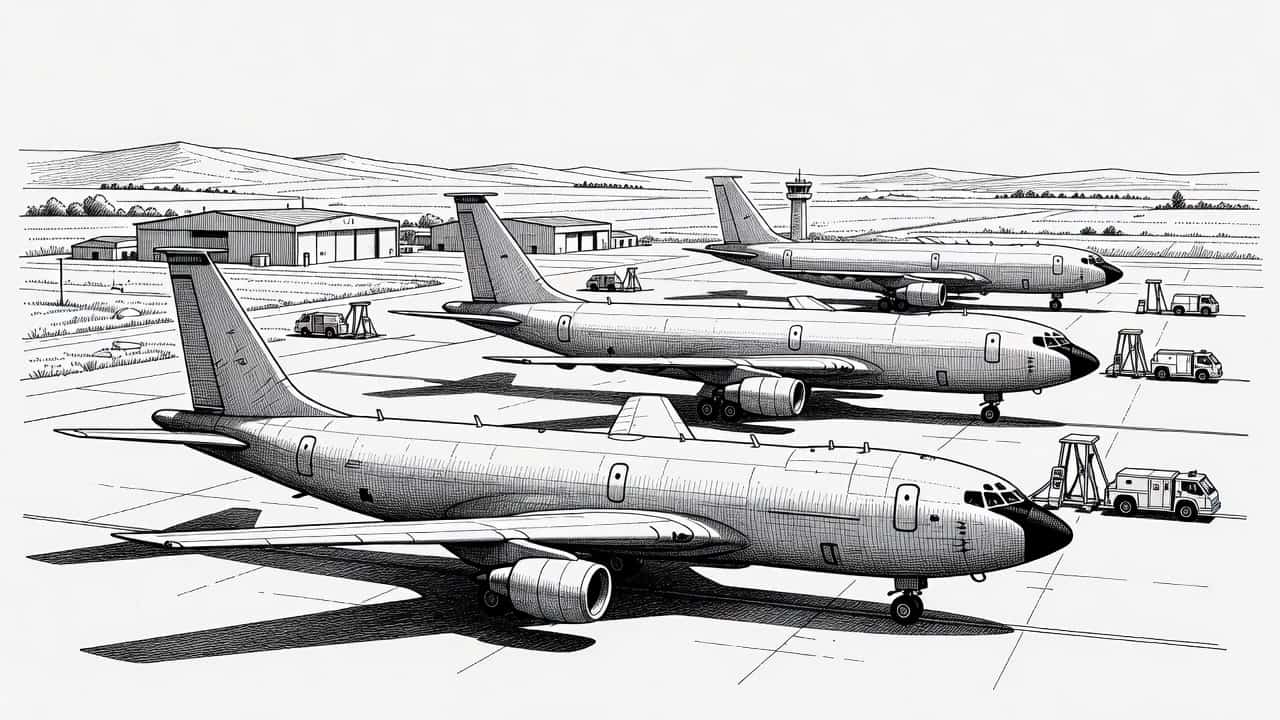
The chamber backed the Bezmer deployment by a clear two-to-one margin, but read as reassurance for Washington rather than as settled national consensus — this was a majority, not a rout, and it splintered in an odd place. Those in the middle of working life, voters in their forties and fifties, backed the tankers almost unanimously, the instinct of a generation comfortable with Bulgaria's NATO commitments and unbothered by hosting American hardware near the Turkish and Black Sea flank. The over-65s, by contrast, broke the other way, a reminder that for Bulgaria's oldest voters, memories of great-power basing on national soil cut differently than for those who came of age inside the alliance.
That fault line echoes the row that preceded this vote: the earlier, unauthorised use of Sofia's civilian airport for the same aircraft, which turned a technical basing question into a live argument about parliamentary control over foreign military presence on Bulgarian territory. Asking the legislature first, this time, was clearly meant to defuse exactly that anxiety — and largely did, for most age groups.
What swayed the floor was less a clash over the merits of NATO logistics than a shrug about who should decide them at all. The top-rated Yes case did not contest the deployment itself so much as frame it as Sofia's call to make, arguing plainly that "it is up to Bulgaria, isn't it" — consent to the tankers, but on strictly national terms.
A majority answered "yes, and it's ours to grant" — which is itself the more interesting answer to the sovereignty question the airport saga first raised.


1 Opinion
Voted yes, but in the matter of fact it is up to Bulgaria, isn't it.