0%
Dead
heat
heat
Votes271
Skipped8
You—
% voting yes, by leaning
—
—
—
—
—
—
—
H. Left
Left
C. Left
Centre
C. Right
Right
H. Right
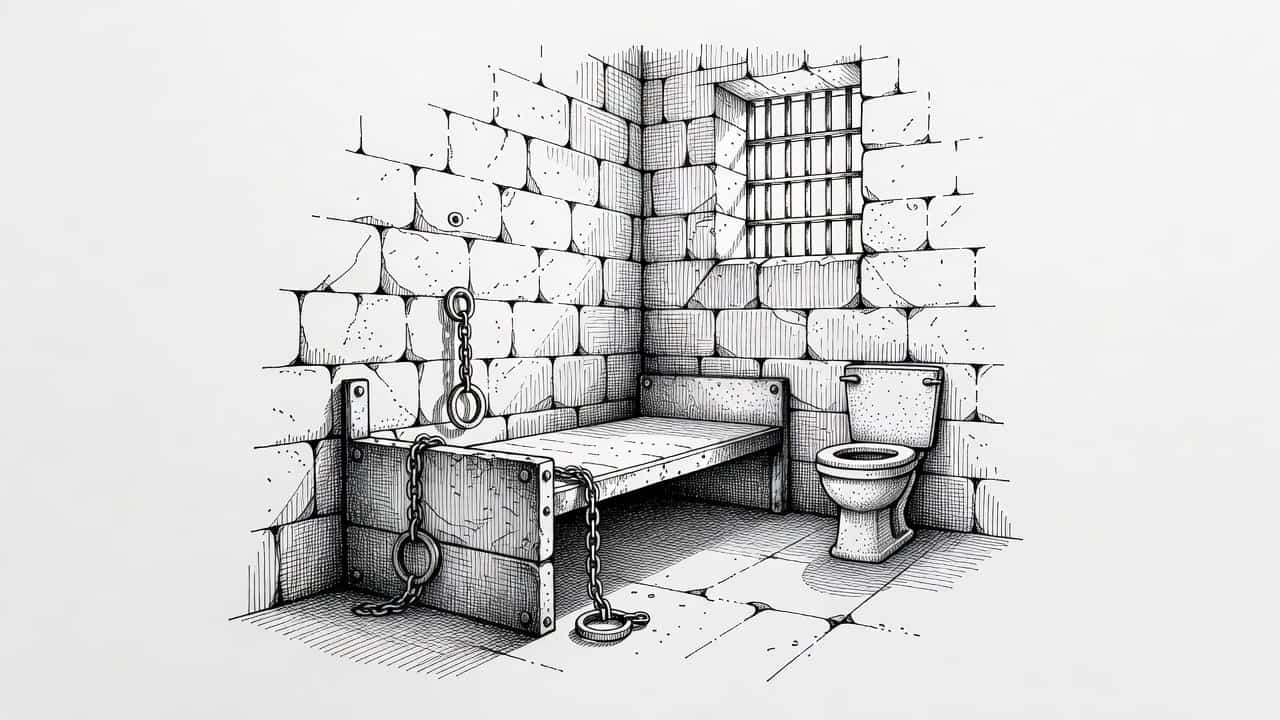
Should we hang child murderers?
The verdict
The No side prevailed in a dead heat, with the floor’s sharpest case warning that “One person mistakenly killed by the state is argument enough”.
0%
Yes
majority
majority
27% No
Votes278
Skipped7
You—
% voting yes, by leaning
—
—
—
—
—
—
—
H. Left
Left
C. Left
Centre
C. Right
Right
H. Right
If a community cannot practise core aspects of their faith because they conflict with UK law, should they leave the UK?
The verdict
“They should either change their practices or voluntarily leave” became the floor’s sharpest line, as voters chose Yes decisively; the real argument was whether departure should be a demand or a choice.
0%
Yes
majority
majority
20% No
Votes247
Skipped29
You—
% voting yes, by leaning
—
—
—
—
—
—
—
H. Left
Left
C. Left
Centre
C. Right
Right
H. Right
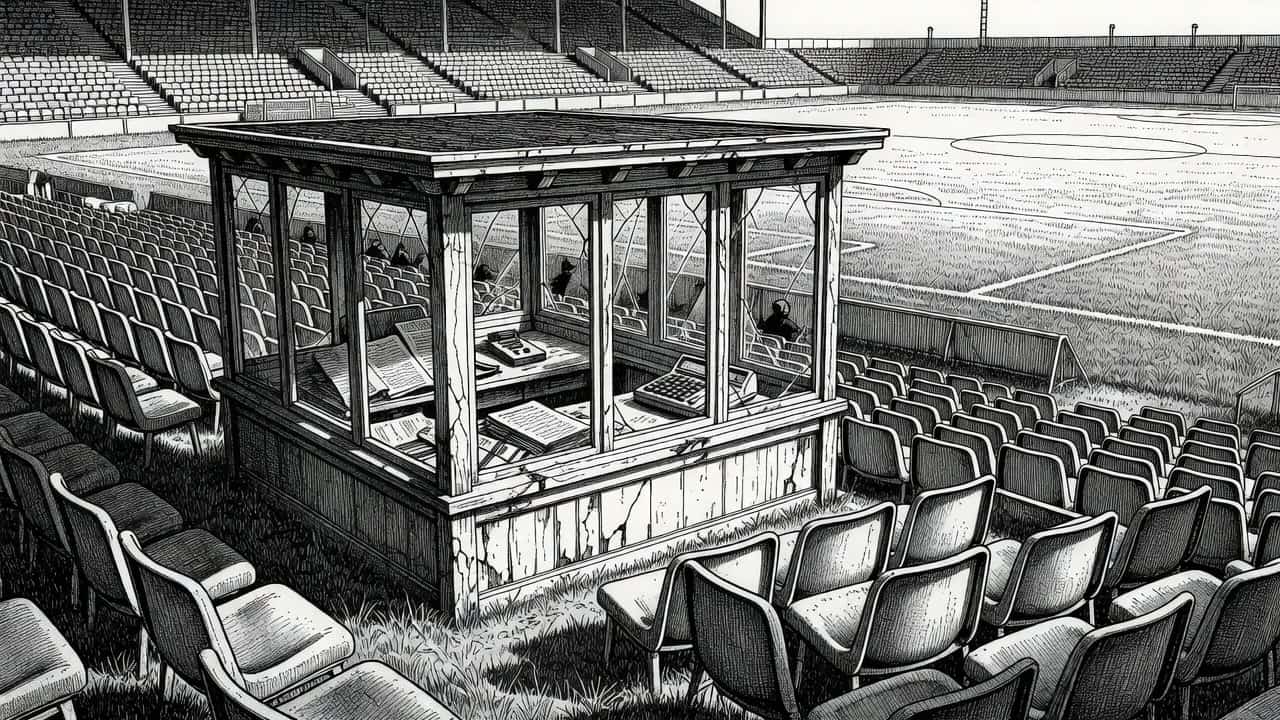
Should we ban leveraged buyouts of UK businesses and sports clubs?
The verdict
Owners taking the upside while workers, creditors and supporters carry the debt became the room’s governing complaint: voters backed a ban, and the lone No voice never supplied the contrary case.
0%
Yes
majority
majority
34% No
Votes281
Skipped2
You—
% voting yes, by leaning
—
—
—
—
—
—
—
H. Left
Left
C. Left
Centre
C. Right
Right
H. Right
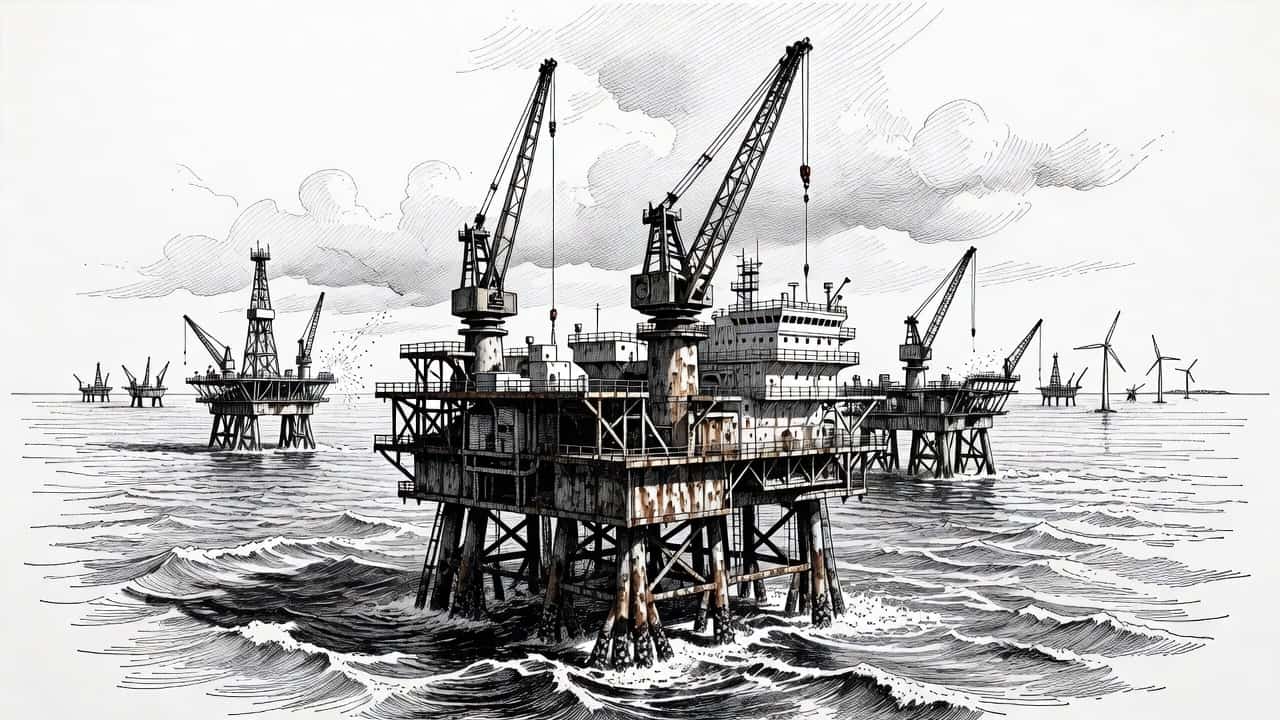
Should local Oil and gas be exploited to ease the burden of the ludicrous green agenda?
The verdict
Domestic oil and gas won a two-to-one verdict, but the floor’s most respected voices were No: they pointed to nuclear, wasted wind and a question they called biased.

0%
Yes
majority
majority
26% No
Votes281
Skipped0
You—
% voting yes, by leaning
—
—
—
—
—
—
—
H. Left
Left
C. Left
Centre
C. Right
Right
H. Right
Should MPs be banned from all second jobs except for maintaining professional qualifications?
The verdict
“Any side jobs are a distraction,” the floor’s strongest Yes case said. That demand for undivided attention carried the room, while the losing side’s warnings about expertise and a self-contained political class went largely unanswered.
0%
Yes
majority
majority
38% No
Votes281
Skipped4
You—
% voting yes, by leaning
—
—
—
—
—
—
—
H. Left
Left
C. Left
Centre
C. Right
Right
H. Right
Should those that have been out of work for a year be forced to do 20 hours community service?
The verdict
Yes won, but the chamber’s sharpest voices were on the losing side, warning that unpaid work without real jobs would be “performative cruelty”.
0%
Yes
majority
majority
9% No
Votes276
Skipped2
You—
% voting yes, by leaning
—
—
—
—
—
—
—
H. Left
Left
C. Left
Centre
C. Right
Right
H. Right
Should Police officers and military personnel comply with minimal physical fitness requirements, tested regularly?
The verdict
A near-unanimous Yes came with a built-in qualification: the strongest voices wanted fitness tied to the job, not imposed as a blunt universal test.
0%
No
majority
majority
41% Yes
Votes272
Skipped11
You—
% voting yes, by leaning
—
—
—
—
—
—
—
H. Left
Left
C. Left
Centre
C. Right
Right
H. Right
If the Scottish Parliament passes a referendum bill, should Westminster grant a Section 30 order?
The verdict
“Scotland should be allowed to make up its own mind” was the Yes camp’s cleanest line; the chamber’s refusal was less a rout than a decision to make Westminster’s veto the answer for now.

0%
Yes
majority
majority
18% No
Votes272
Skipped2
You—
% voting yes, by leaning
—
—
—
—
—
—
—
H. Left
Left
C. Left
Centre
C. Right
Right
H. Right
Should full ownership over our water shift back to public control, away from profit-driven private companies?
The verdict
“Water is a PUBLIC utility,” the floor’s best Yes argument declared. The vote agreed by more than four to one, while the losing side’s strongest case was that ownership was a distraction from regulation.
0%
No
majority
majority
43% Yes
Votes267
Skipped2
You—
% voting yes, by leaning
—
—
—
—
—
—
—
H. Left
Left
C. Left
Centre
C. Right
Right
H. Right
Should we have a General Election now?
The verdict
Andy Burnham’s arrival became a test of democratic legitimacy, but No prevailed; the strongest case against an election was bluntly simple: “We’ve had more than enough changes of Prime Minister.”
0%
Yes
majority
majority
17% No
Votes269
Skipped4
You—
% voting yes, by leaning
—
—
—
—
—
—
—
H. Left
Left
C. Left
Centre
C. Right
Right
H. Right
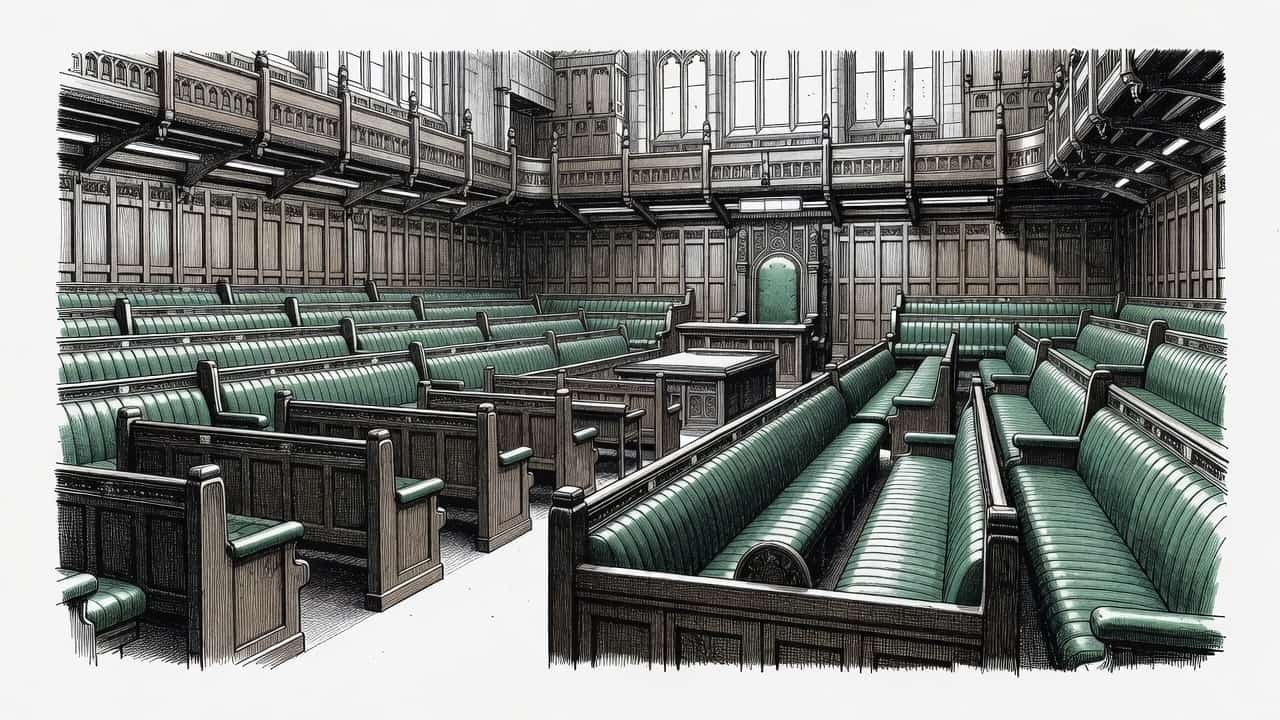
Should the government provide £65 million in new grants and adjustments to help farmers cope with drought?
The verdict
Emergency relief for farmers carried the day, but the chamber’s sharpest objection called the package “Drop in the bucket” — support won, while confidence in its scale did not.
0%
Yes
majority
majority
41% No
Votes259
Skipped7
You—
% voting yes, by leaning
—
—
—
—
—
—
—
H. Left
Left
C. Left
Centre
C. Right
Right
H. Right
Should Britain write and enshrine in law a UK constitution?
The verdict
“Someday we should be citizens not subjects” was the moral pull behind a Yes victory — but the debate was as much about who could be trusted to write the rules as about writing them at all.
0%
Yes
majority
majority
29% No
Votes263
Skipped3
You—
% voting yes, by leaning
—
—
—
—
—
—
—
H. Left
Left
C. Left
Centre
C. Right
Right
H. Right
Is UK policing and justice applied unequally based on the identity or politics of those involved?
The verdict
“Equal justice must be seen as well as promised” became the room’s governing thought; Yes won by more than two to one, despite the debate’s only No voice challenging the question’s framing.
0%
Yes
majority
majority
44% No
Votes268
Skipped2
You—
% voting yes, by leaning
—
—
—
—
—
—
—
H. Left
Left
C. Left
Centre
C. Right
Right
H. Right
Should the British monarchy be stripped of all constitutional duties and retain a purely ceremonial role?
The verdict
Abolitionists won a question about constitutional duties, while the strongest No voice defended the monarchy as “a huge part of our British culture”. The chamber voted for a ceremonial crown, but often argued for no crown at all.
0%
Yes
majority
majority
38% No
Votes269
Skipped2
You—
% voting yes, by leaning
—
—
—
—
—
—
—
H. Left
Left
C. Left
Centre
C. Right
Right
H. Right
Should the UK introduce proportional representation?
The verdict
A vote for proportional representation arrived with a built-in qualification: Yes won by 168 votes to 101, but much of the winning side was voting against first-past-the-post rather than for one settled replacement.
0%
No
majority
majority
28% Yes
Votes262
Skipped7
You—
% voting yes, by leaning
—
—
—
—
—
—
—
H. Left
Left
C. Left
Centre
C. Right
Right
H. Right
Should unused pensions be included in estates for inheritance tax from April 2027?
The verdict
“Target abuse of the system, not those who saved prudently” captured the chamber’s mood as No won by more than two to one: this was a vote against treating pension saving as an inheritance-tax loophole.

0%
Yes
majority
majority
27% No
Votes258
Skipped12
You—
% voting yes, by leaning
—
—
—
—
—
—
—
H. Left
Left
C. Left
Centre
C. Right
Right
H. Right
Should we stop taxpayer money funding expensive AI slop for politicians, billionaires and media companies?
The verdict
A room that wanted public money out of “AI slop” nevertheless rated the strongest arguments against the motion: “Look past the horribly leading question.”
0%
Yes
majority
majority
18% No
Votes272
Skipped4
You—
% voting yes, by leaning
—
—
—
—
—
—
—
H. Left
Left
C. Left
Centre
C. Right
Right
H. Right
Should homeless UK citizens be prioritised over illegal migrants for interim housing in former armed services properties
The verdict
‘Help everyone and stop dividing everyone’ was the losing side’s cleanest line, but Yes won decisively, with the chamber’s winning case more forceful than nuanced.
0%
Yes
majority
majority
38% No
Votes250
Skipped20
You—
% voting yes, by leaning
—
—
—
—
—
—
—
H. Left
Left
C. Left
Centre
C. Right
Right
H. Right
Is "war" between Reform and Restore keeping the status quo?
The verdict
The right’s internal war was judged to be protecting the status quo, with the sharpest warning that its factions are “turning their fire on each other rather than the system they oppose”.
0%
Yes
majority
majority
31% No
Votes267
Skipped8
You—
% voting yes, by leaning
—
—
—
—
—
—
—
H. Left
Left
C. Left
Centre
C. Right
Right
H. Right
Did Nigel Farage call the by-election to avoid scrutiny over his £5 million gift?
The verdict
“The Pope appears to be Catholic” became the room’s sardonic shorthand for an obvious answer, as Yes carried the question by more than two to one.
0%
Yes
majority
majority
24% No
Votes263
Skipped8
You—
% voting yes, by leaning
—
—
—
—
—
—
—
H. Left
Left
C. Left
Centre
C. Right
Right
H. Right
Is the decline in home ownership in England since 2003 a serious problem?
The verdict
A generation priced out of ownership made this a vote about belonging, with “a stake in their own nation” the sharpest line in a decisive Yes vote.
0%
Yes
majority
majority
49% No
Votes270
Skipped6
You—
% voting yes, by leaning
—
—
—
—
—
—
—
H. Left
Left
C. Left
Centre
C. Right
Right
H. Right
Was the "emergency alerts" regarding fire risks an abuse of power?
The verdict
A near-dead-heat verdict turned on whether a wildfire warning protected the public or debased the meaning of an emergency alert. The sharpest Yes voices feared that once the phones cry wolf, people switch them off.

0%
No
majority
majority
33% Yes
Votes264
Skipped6
You—
% voting yes, by leaning
—
—
—
—
—
—
—
H. Left
Left
C. Left
Centre
C. Right
Right
H. Right
Should the UK invest more in climate adaptation than in increasing military spending to 3% of GDP?
The verdict
Armed defence beat climate adaptation in a room whose sharpest line was not about money but premise: “I reject the framing of "climate threat".”
0%
Yes
majority
majority
22% No
Votes259
Skipped13
You—
% voting yes, by leaning
—
—
—
—
—
—
—
H. Left
Left
C. Left
Centre
C. Right
Right
H. Right
Are police targeting compliant citizens over uncooperative offenders?
The verdict
“Cooperation should count in your favour” was the chamber’s defining complaint: the claim that police pursue the easy target rather than the serious threat won the backing of more than three voters for every one against.