
0%
No
majority
majority
42% Yes
Votes83
Skipped0
You—
% voting yes, by leaning
—
—
—
—
—
—
—
H. Left
Left
C. Left
Centre
C. Right
Right
H. Right
Should ID cards with fingerprints be introduced to improve suspect identification and border security?
The verdict
A scheme that resurfaces every decade or so found no more favour this time, with 35 to 48 voting it down, but the real fracture was generational, not ideological — the middle-aged flatly rejected it while pensioners embraced it.

0%
Yes
majority
majority
38% No
Votes87
Skipped0
You—
% voting yes, by leaning
—
—
—
—
—
—
—
H. Left
Left
C. Left
Centre
C. Right
Right
H. Right
Does the UK have two tier justice against white people?
The verdict
The clearest verdict came from the middle-aged, not the young: 45-54s and 35-44s swung decisively behind claims of two-tier justice, while it was the 25-34s who nearly split the difference, as this Birmingham flashpoint carried a 24-point yes verdict overall.

0%
Yes
majority
majority
24% No
Votes45
Skipped0
You—
% voting yes, by leaning
—
—
—
—
—
—
—
H. Left
Left
C. Left
Centre
C. Right
Right
H. Right
Should the UK build flexibility into all future long-term public transport contracts?
The verdict
Rarely does a Colombian bus contract produce consensus in Britain, but flexibility clauses did, carrying three in four voters across every age band while the sharpest divide ran between the sexes, not the generations.

0%
Yes
majority
majority
43% No
Votes77
Skipped0
You—
% voting yes, by leaning
—
—
—
—
—
—
—
H. Left
Left
C. Left
Centre
C. Right
Right
H. Right
Is Farage in deep trouble?
The verdict
A verdict this close-fought still hides a stark generational split: the over-65s were unanimous that Farage is in deep trouble, while the 45-54s — Reform's electoral heartland — mostly waved the trouble away.

0%
No
majority
majority
49% Yes
Votes45
Skipped0
You—
% voting yes, by leaning
—
—
—
—
—
—
—
H. Left
Left
C. Left
Centre
C. Right
Right
H. Right
Should the government run an AI Tutoring Tools Pioneer Programme to co-design tools for disadvantaged pupils?
The verdict
A near dead-heat that hides a real fracture: the chamber split almost exactly down the middle on state-backed AI tutoring, but women broke for it while men turned firmly against, and parents' own age group, the 35-44s, delivered the most sceptical verdict of anyone.

0%
Yes
majority
majority
38% No
Votes45
Skipped0
You—
% voting yes, by leaning
—
—
—
—
—
—
—
H. Left
Left
C. Left
Centre
C. Right
Right
H. Right
Should schools and local authorities be required to follow this new statutory guidance to improve school attendance?
The verdict
Support for tougher attendance rules split less by age than by gender, with men backing the guidance comfortably while women voted narrowly against it, even as the middle-aged 45-54 bracket bucked every other cohort by rejecting it outright.
0%
Yes
majority
majority
26% No
Votes42
Skipped0
You—
% voting yes, by leaning
—
—
—
—
—
—
—
H. Left
Left
C. Left
Centre
C. Right
Right
H. Right
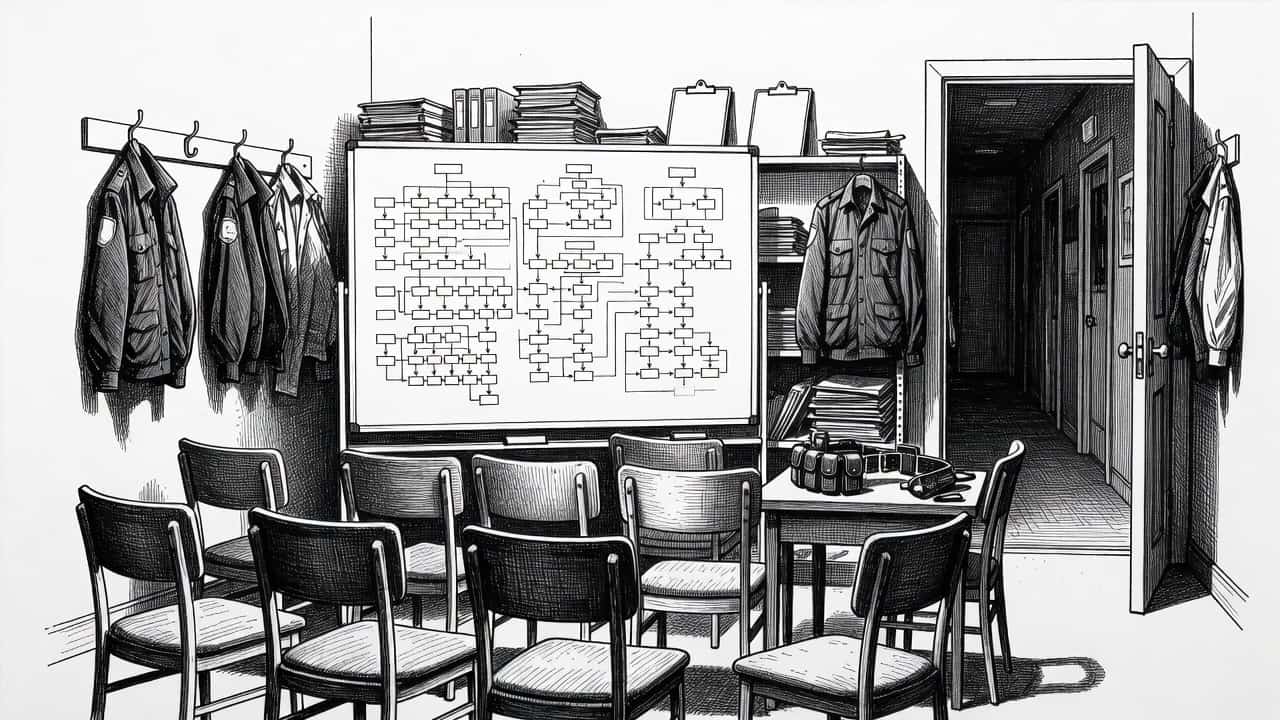
Should the UK government overhaul police leadership recruitment and promotion?
The verdict
The verdict here isn't the three-to-one margin for reform but the generational cliff behind it: every over-55 who voted backed an overhaul, while the 25-34s and 45-54s split clean down the middle.

0%
Yes
majority
majority
45% No
Votes44
Skipped0
You—
% voting yes, by leaning
—
—
—
—
—
—
—
H. Left
Left
C. Left
Centre
C. Right
Right
H. Right
Should the government implement the Farming Roadmap 2050 for England?
The verdict
A narrow endorsement of a 2050 farming blueprint, carried by younger and middle-aged voters while the oldest cohort here rejected it outright and women split against it.

0%
Yes
majority
majority
28% No
Votes43
Skipped0
You—
% voting yes, by leaning
—
—
—
—
—
—
—
H. Left
Left
C. Left
Centre
C. Right
Right
H. Right
Does the UK need greater parliamentary scrutiny of its defence spending plans?
The verdict
Even those most inclined to trust the government with the nuclear deterrent's price tag balked at doing so blind: nearly three in four voters here backed more parliamentary scrutiny of defence spending, with only the youngest voters evenly split.

0%
Yes
majority
majority
47% No
Votes49
Skipped0
You—
% voting yes, by leaning
—
—
—
—
—
—
—
H. Left
Left
C. Left
Centre
C. Right
Right
H. Right
Should the government force UK pension funds to invest more in British companies?
The verdict
A near dead-heat nationally masks a striking generational split: the youngest voters overwhelmingly rejected state-mandated pension investment, while those approaching retirement backed it almost unanimously.

0%
Yes
majority
majority
22% No
Votes49
Skipped0
You—
% voting yes, by leaning
—
—
—
—
—
—
—
H. Left
Left
C. Left
Centre
C. Right
Right
H. Right
Should the UK extend the operating life of Sizewell B nuclear plant until 2055?
The verdict
Nuclear power's usual generational battle lines barely held here: this chamber backed keeping Sizewell B running to 2055 by roughly three to one, with only the youngest voters holding out against it.
0%
Yes
majority
majority
39% No
Votes38
Skipped0
You—
% voting yes, by leaning
—
—
—
—
—
—
—
H. Left
Left
C. Left
Centre
C. Right
Right
H. Right
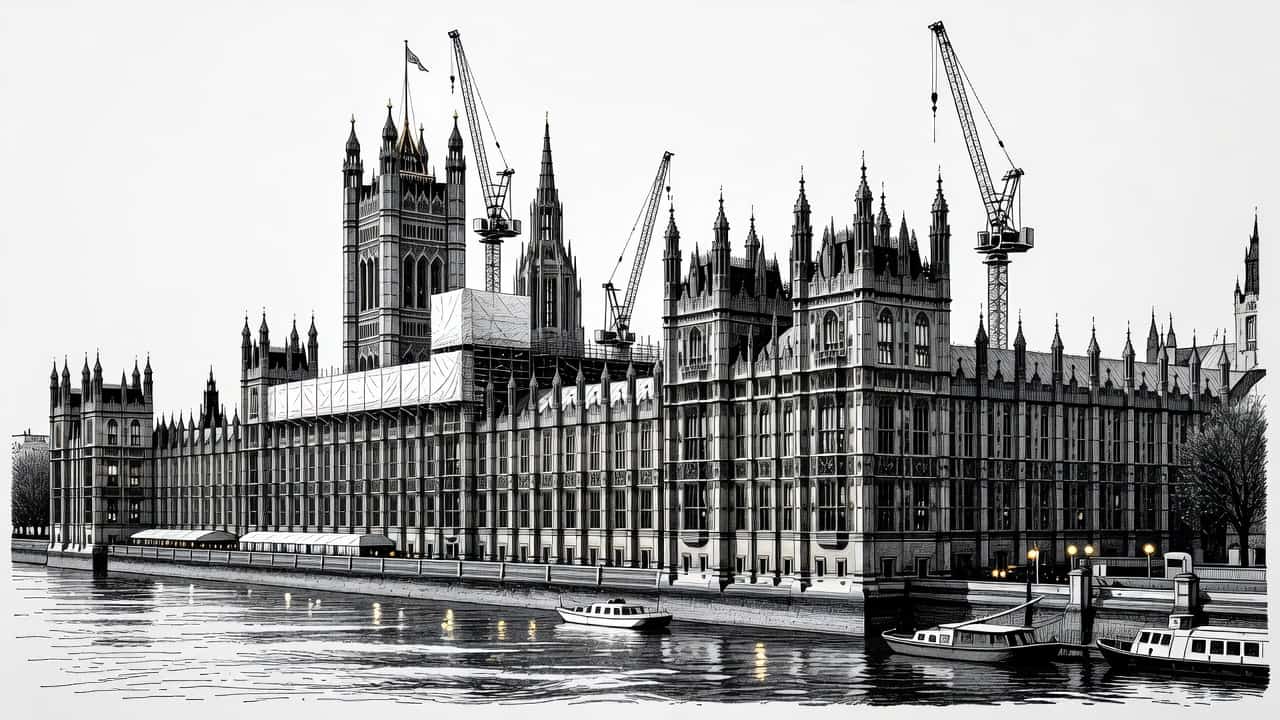
Should MPs and Lords debate Parliament's £3bn refurbishment options by the end of 2026?
The verdict
On a question that sounds like pure procedure, the chamber split by generation rather than politics: the 55-64s all but demanded MPs get on with it, while the over-65s, who'll live longest with the bill, turned against a debate by the end of 2026.

0%
No
majority
majority
35% Yes
Votes34
Skipped0
You—
% voting yes, by leaning
—
—
—
—
—
—
—
H. Left
Left
C. Left
Centre
C. Right
Right
H. Right
Should the UK impose further sanctions on Israel and ban trade in goods from illegal settlements?
The verdict
Rejected two to one, further sanctions on Israel ran into a wall of scepticism among women here, who opposed the measure by nearly nine to one, while men were far more evenly split.
0%
Yes
majority
majority
27% No
Votes33
Skipped0
You—
% voting yes, by leaning
—
—
—
—
—
—
—
H. Left
Left
C. Left
Centre
C. Right
Right
H. Right
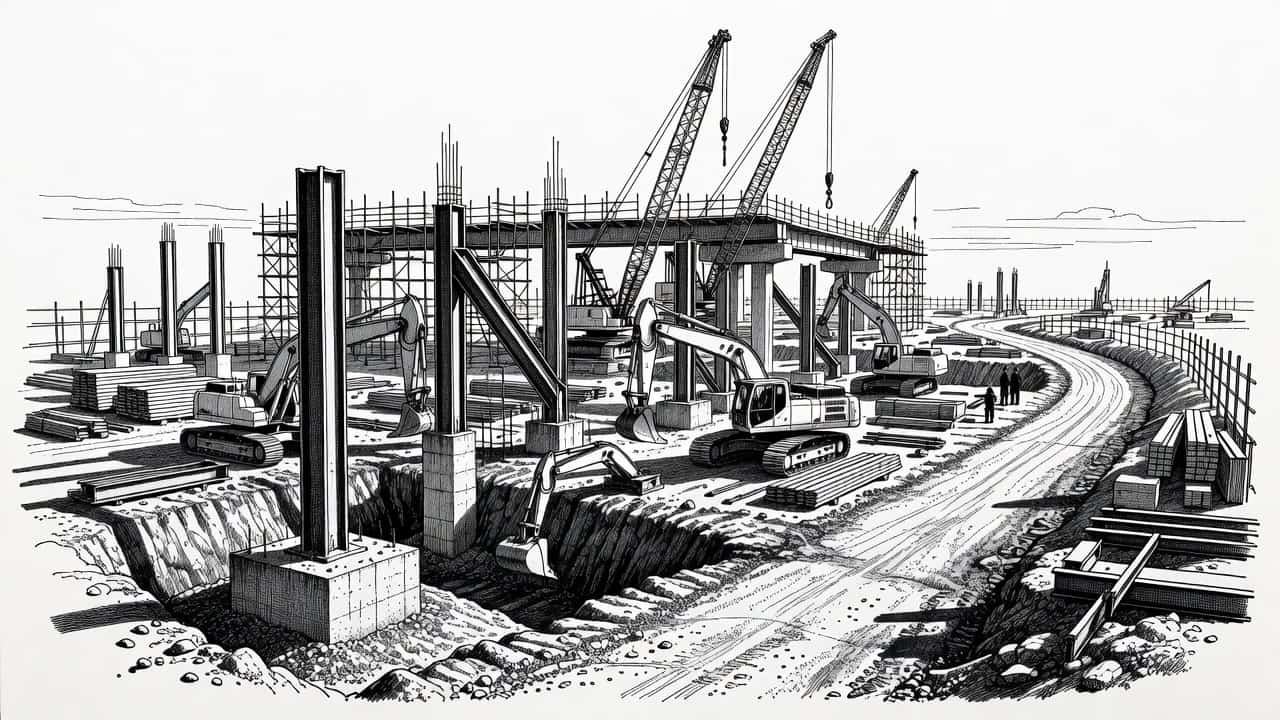
Should the next prime minister stick with the £725bn 10-year infrastructure plan?
The verdict
Voters here sided decisively with the contractors' letter, backing continuity on the £725bn pipeline by roughly three to one, but the enthusiasm faded steadily with age, from unanimous support among the under-45s to a coin flip among the over-65s.
0%
Yes
majority
majority
41% No
Votes32
Skipped0
You—
% voting yes, by leaning
—
—
—
—
—
—
—
H. Left
Left
C. Left
Centre
C. Right
Right
H. Right
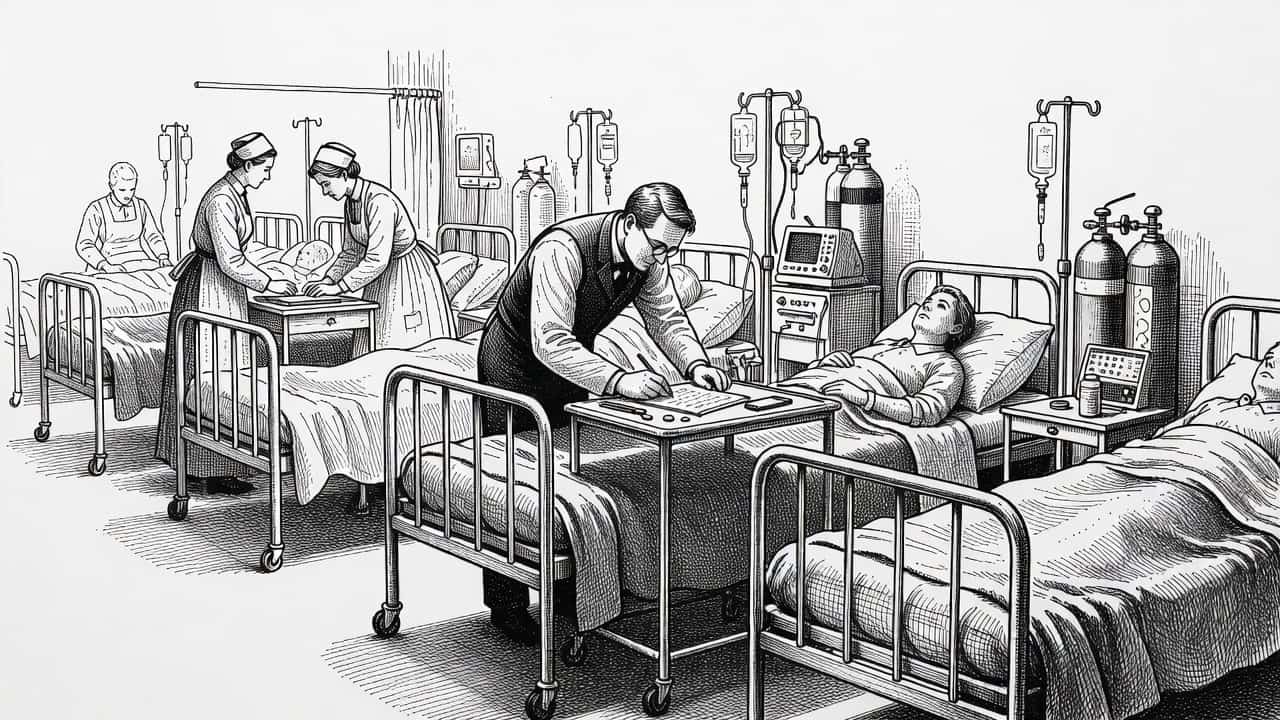
Should the NHS scrap its £330m Palantir contract and seek a UK alternative?
The verdict
A modest majority for tearing up Palantir's NHS contract, but the closeness masks a real split: the 25-34s, usually first to distrust anything data-related, were exactly torn down the middle.
0%
Yes
majority
majority
49% No
Votes97
Skipped0
You—
% voting yes, by leaning
—
—
—
—
—
—
—
H. Left
Left
C. Left
Centre
C. Right
Right
H. Right
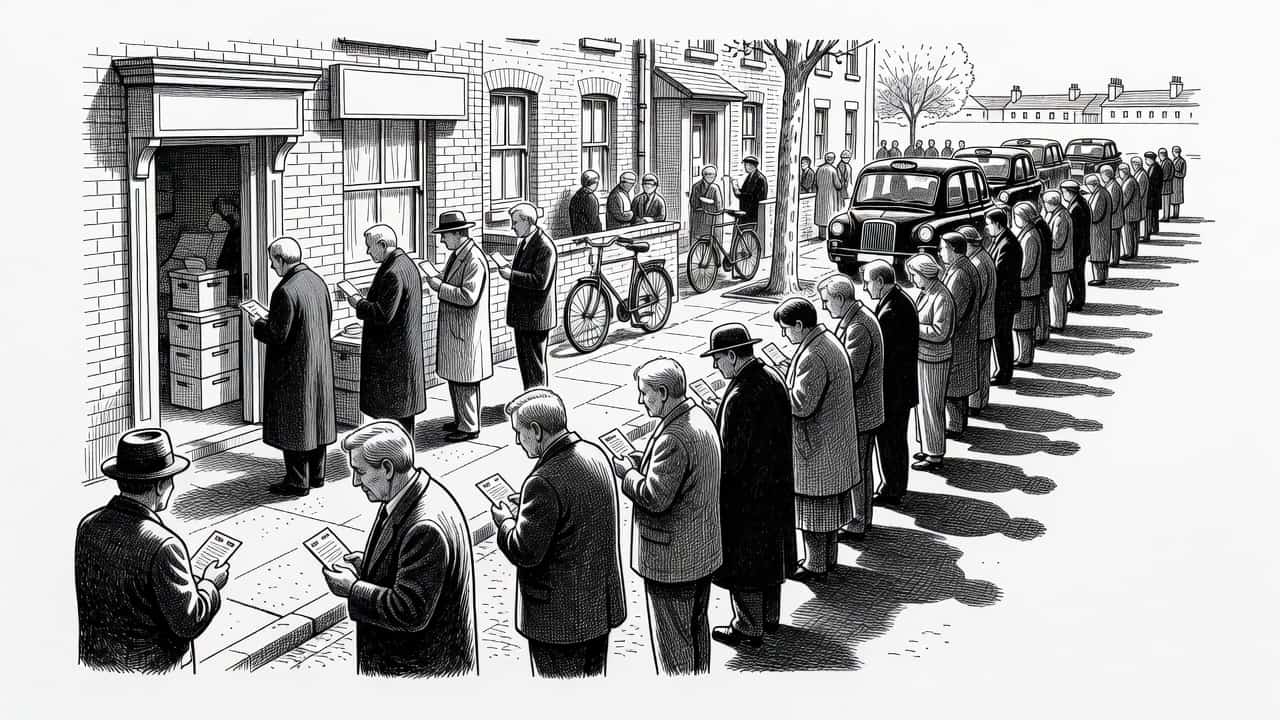
Should the UK introduce compulsory voting with fines for non-participation?
The verdict
A vote this tight on compelling people to the ballot box split almost exactly along generational lines: the young voted it down, their elders voted it through, and the coin-flip national result (49-48) was really two electorates cancelling each other out.

0%
No
majority
majority
30% Yes
Votes89
Skipped0
You—
% voting yes, by leaning
—
—
—
—
—
—
—
H. Left
Left
C. Left
Centre
C. Right
Right
H. Right
Is Andy Burnham's 'good growth' plan a genuine improvement on Boris Johnson's levelling up?
The verdict
Voters here treated Burnham's rebrand with the same weary scepticism they'd apply to Johnson's original, delivering a two-to-one no that suggests devolution rhetoric alone no longer moves sceptics of levelling up.

0%
Yes
majority
majority
47% No
Votes100
Skipped0
You—
% voting yes, by leaning
—
—
—
—
—
—
—
H. Left
Left
C. Left
Centre
C. Right
Right
H. Right
Does lowering inequality improve democracy in the UK?
The verdict
A near-deadlocked chamber landed on Yes, but the fault line was age rather than sex: the young and the youngest-old both broke decisively for the idea that levelling incomes strengthens democracy, while the middle-aged pulled the other way.

0%
Yes
majority
majority
40% No
Votes52
Skipped0
You—
% voting yes, by leaning
—
—
—
—
—
—
—
H. Left
Left
C. Left
Centre
C. Right
Right
H. Right
Should HMRC increase enforcement to close the £17.3bn small company corporation tax gap?
The verdict
A clear enough win for tougher HMRC enforcement conceals a striking generational U-turn: it was the youngest and oldest voters who backed the crackdown hardest, while the middle of working life — those actually running or dealing with small companies — split down the middle.

0%
Yes
majority
majority
47% No
Votes45
Skipped0
You—
% voting yes, by leaning
—
—
—
—
—
—
—
H. Left
Left
C. Left
Centre
C. Right
Right
H. Right
Should the government reinstate a higher bank surcharge to raise public revenue?
The verdict
A near dead-heat on bank taxes split cleanly by age: the young voted almost unanimously to squeeze the banks, older voters dug in against it, and the whole result turned on that generational gap.

0%
Yes
majority
majority
43% No
Votes49
Skipped0
You—
% voting yes, by leaning
—
—
—
—
—
—
—
H. Left
Left
C. Left
Centre
C. Right
Right
H. Right
Should councils spend public money on community-owned energy projects?
The verdict
A modest win for community energy on the scoreboard masks a striking gender split: men backed council-funded schemes better than two to one, while women leaned against, 9 to 5.

0%
Yes
majority
majority
29% No
Votes45
Skipped0
You—
% voting yes, by leaning
—
—
—
—
—
—
—
H. Left
Left
C. Left
Centre
C. Right
Right
H. Right
Should the UK shift more homes and industry from gas to electricity to cut bills?
The verdict
The chamber backed electrifying Britain's homes and industry two to one, but conviction thinned sharply with age: the young were near-unanimous, the over-55s the only group to actually resist.

0%
Yes
majority
majority
40% No
Votes43
Skipped0
You—
% voting yes, by leaning
—
—
—
—
—
—
—
H. Left
Left
C. Left
Centre
C. Right
Right
H. Right
Should minimum workplace pension contributions be raised to increase retirement savings?
The verdict
A future-tax-yourself question split the chamber less by generation than logic might suggest, with only the near-retired 65+ crowd firmly convinced, while voters approaching pension age themselves stayed evenly torn on paying more in now for more later.
0%
Yes
majority
majority
35% No
Votes46
Skipped0
You—
% voting yes, by leaning
—
—
—
—
—
—
—
H. Left
Left
C. Left
Centre
C. Right
Right
H. Right
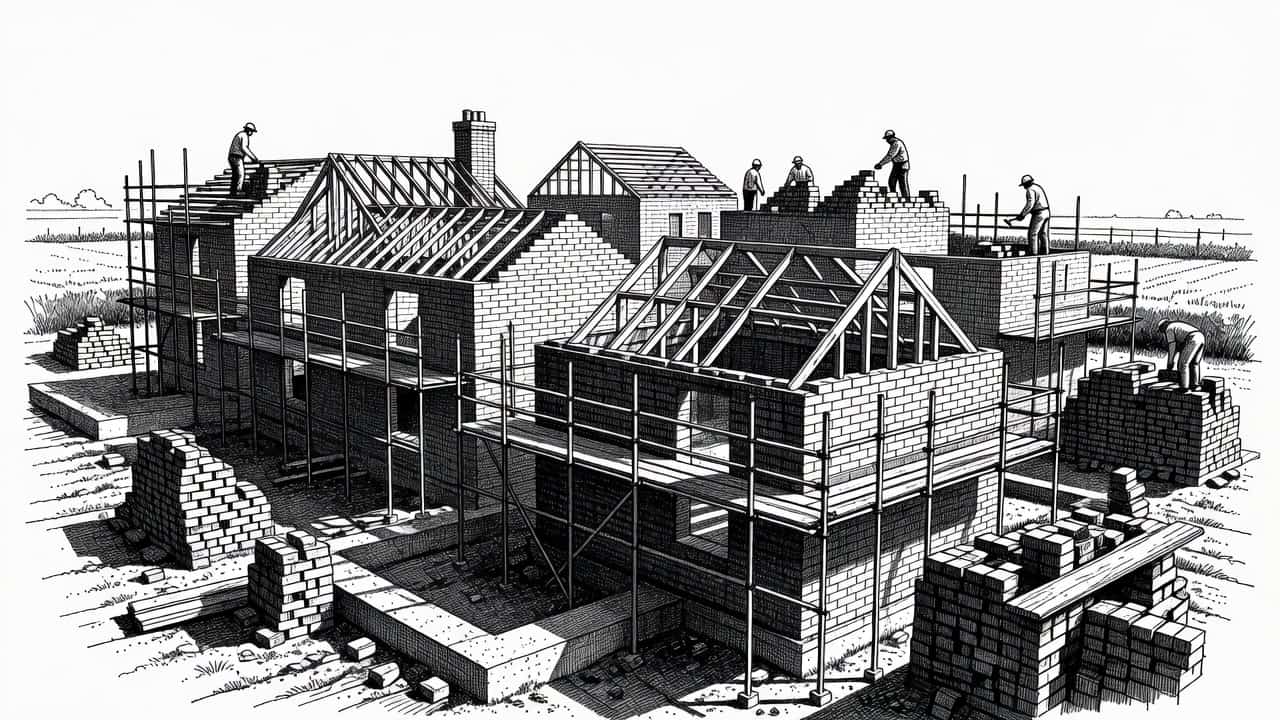
Should the government relax planning rules to build 300,000 homes a year in England?
The verdict
Beneath the comfortable two-to-one win for looser planning rules sits a straightforward generational fault line: almost every voter under 55 backed building, while the 55-64s turned against it nine to two.