
0%
Yes
majority
majority
33% No
Votes57
Skipped0
You—
% voting yes, by leaning
—
—
—
—
—
—
—
H. Left
Left
C. Left
Centre
C. Right
Right
H. Right
Should the UK introduce a performers list for pharmacists?
The verdict
Two in three voters backed a performers list for pharmacists, but the generational split tells the real story: the young and mid-career overwhelmingly want the check, while the 55-64s were the only group to turn against it.

0%
Yes
majority
majority
10% No
Votes60
Skipped0
You—
% voting yes, by leaning
—
—
—
—
—
—
—
H. Left
Left
C. Left
Centre
C. Right
Right
H. Right
Should the UK defence budget be judged by military readiness and capacity rather than just spending levels?
The verdict
Britain's online defence hawks reached for consensus rarely seen on this platform, with nine in ten voters here agreeing that hardware and readiness matter more than headline spending figures.

0%
No
majority
majority
41% Yes
Votes98
Skipped0
You—
% voting yes, by leaning
—
—
—
—
—
—
—
H. Left
Left
C. Left
Centre
C. Right
Right
H. Right
Should the UK introduce a mileage-based road tax for electric vehicles from April 2028?
The verdict
Voters here rejected a mileage tax on EVs from 2028, and the clearest resistance came from those who arguably have most riding on the switch to electric: 25-to-34-year-olds broke almost three to one against it.

0%
No
majority
majority
47% Yes
Votes53
Skipped0
You—
% voting yes, by leaning
—
—
—
—
—
—
—
H. Left
Left
C. Left
Centre
C. Right
Right
H. Right
Should the UK create a Cabinet-level body to oversee new towns delivery?
The verdict
A near-even split on paper resolved into a narrow No, with the chamber's scepticism about new machinery outweighing the case for central grip on the new-towns programme.
0%
Yes
majority
majority
11% No
Votes54
Skipped0
You—
% voting yes, by leaning
—
—
—
—
—
—
—
H. Left
Left
C. Left
Centre
C. Right
Right
H. Right
Should the UK sign trade deals to open markets for British beef, lamb and dairy farmers?
The verdict
Nearly nine in ten voters here backed opening new markets for British beef, lamb and dairy, with the only real dissent clustered oddly among the 35-44s rather than falling along any obvious ideological line.

0%
No
majority
majority
18% Yes
Votes55
Skipped0
You—
% voting yes, by leaning
—
—
—
—
—
—
—
H. Left
Left
C. Left
Centre
C. Right
Right
H. Right
Should the UK provide round-the-clock security to all 650 MPs at a cost of up to £100m?
The verdict
Even the age group most sympathetic to blanket protection, the 55-64s, still broke against it by nearly two to one — a sign that scepticism here was about proportion, not principle, as voters rejected a flat £100m fix by five to one.
0%
Yes
majority
majority
43% No
Votes126
Skipped0
You—
% voting yes, by leaning
—
—
—
—
—
—
—
H. Left
Left
C. Left
Centre
C. Right
Right
H. Right
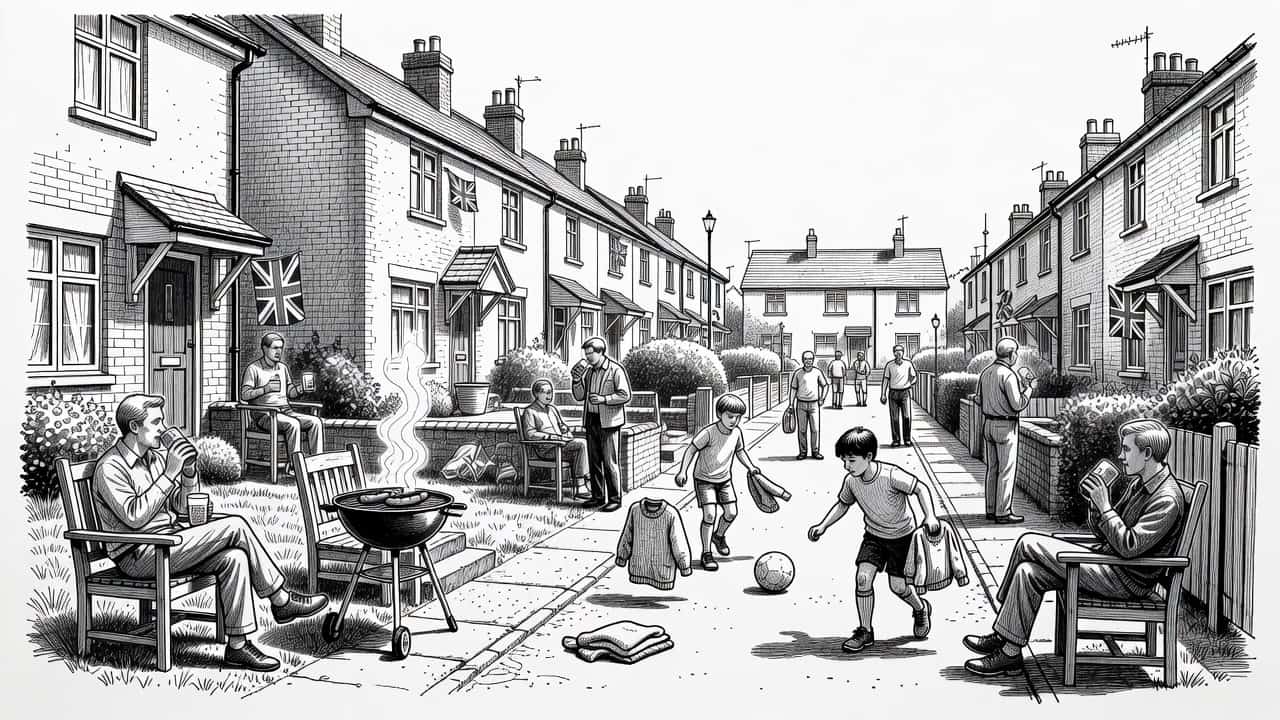
Should there be a bank holiday if England win the world cup?
The verdict
A comfortable if not landslide Yes to a free day off for footballing glory, carried by youthful optimism while the over-65s, perhaps mindful of 1966 heartbreak repeated, were the only group to say no.
0%
Yes
majority
majority
22% No
Votes77
Skipped0
You—
% voting yes, by leaning
—
—
—
—
—
—
—
H. Left
Left
C. Left
Centre
C. Right
Right
H. Right
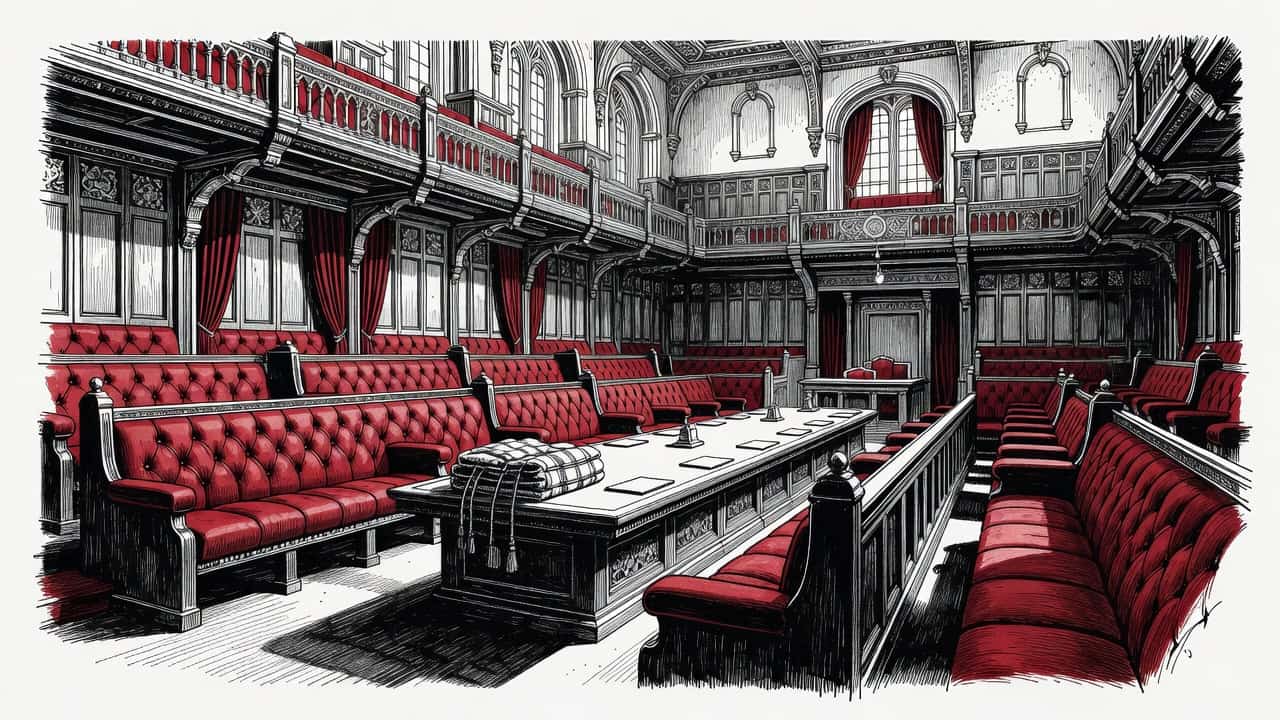
Should the House of Lords introduce a retirement age of 80 and require peers to attend at least 20% of sitting days?
The verdict
The most striking thing about this vote for a modernising reform to the Lords is who resisted it most: not the young, who might be expected to bristle at gerontocracy, but women, who split almost down the middle while men backed change nine to one.

0%
No
majority
majority
46% Yes
Votes69
Skipped0
You—
% voting yes, by leaning
—
—
—
—
—
—
—
H. Left
Left
C. Left
Centre
C. Right
Right
H. Right
Should the UK create a state-owned housebuilder to support construction during market downturns?
The verdict
A near-even split settled narrowly against Whitehall building homes itself, with the closest thing to a consensus coming from the 35-44s, prime-mortgage-age voters who rejected the idea most firmly of all.
0%
Yes
majority
majority
31% No
Votes55
Skipped0
You—
% voting yes, by leaning
—
—
—
—
—
—
—
H. Left
Left
C. Left
Centre
C. Right
Right
H. Right
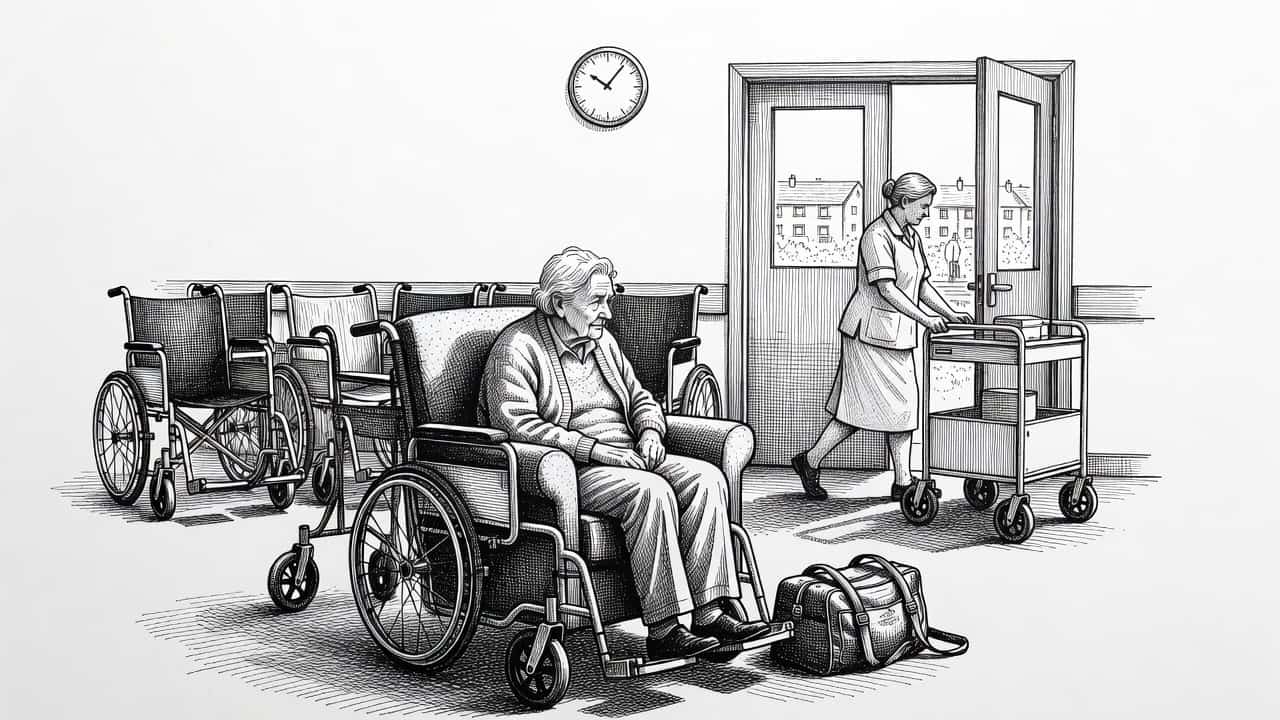
Should NHS Continuing Healthcare funding be reformed to reduce local council overspend?
The verdict
The chamber backed reform of NHS Continuing Healthcare funding by more than two to one, but the one group most likely to be drawing a state pension proved no more sceptical than anyone else — it was the 45-54s, midlife and often on the sharp end of both work and care duties, who alone split down the middle.

0%
Yes
majority
majority
45% No
Votes42
Skipped0
You—
% voting yes, by leaning
—
—
—
—
—
—
—
H. Left
Left
C. Left
Centre
C. Right
Right
H. Right
Should the UK create a captive insurance regime with lighter regulation to boost competitiveness?
The verdict
A narrow win for deregulation dressed up as competitiveness, with the chamber's youngest voters near-unanimous for it while the middle-aged majority split down the middle — a technocratic question that mostly failed to generate a real fight.
0%
Yes
majority
majority
30% No
Votes47
Skipped0
You—
% voting yes, by leaning
—
—
—
—
—
—
—
H. Left
Left
C. Left
Centre
C. Right
Right
H. Right
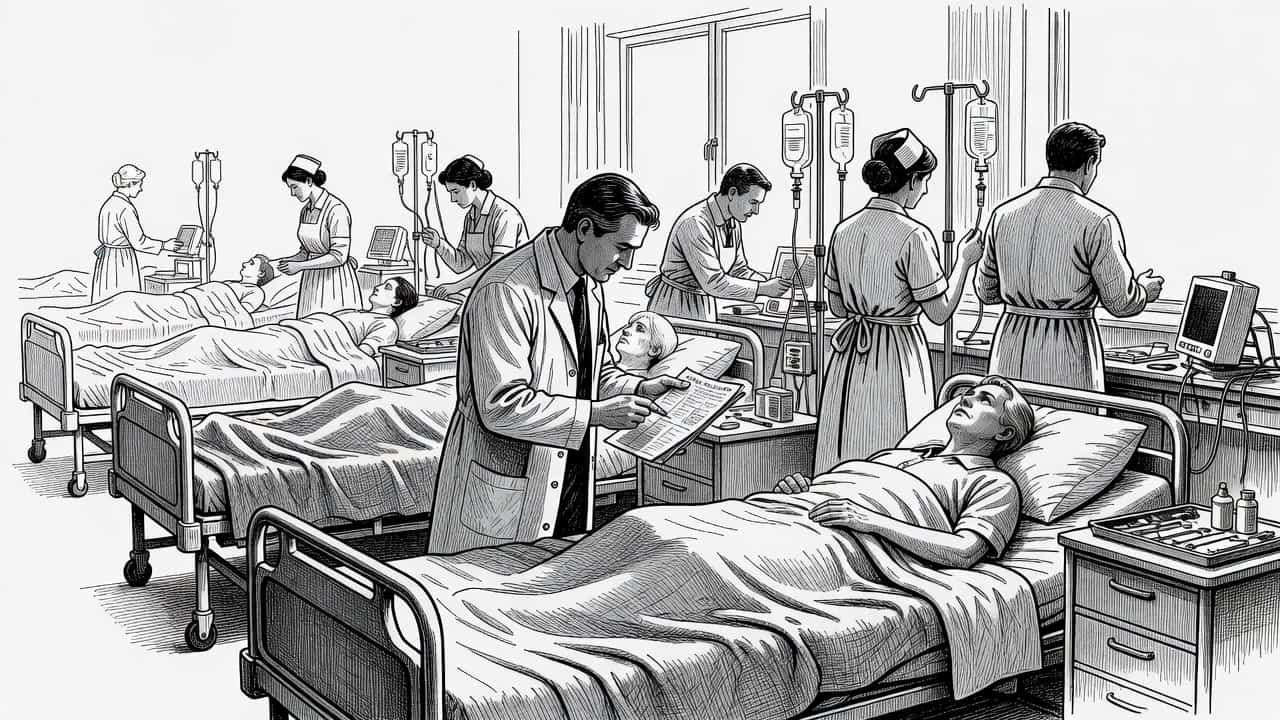
Should the NHS adopt its new Quality Strategy to prioritise patient safety, effectiveness and experience?
The verdict
Approval for a technocratic NHS strategy is easy to win among men, who backed it three to two, but women who voted split the other way, against it two to one — a rare gender inversion in a health referendum.

0%
Yes
majority
majority
2% No
Votes50
Skipped0
You—
% voting yes, by leaning
—
—
—
—
—
—
—
H. Left
Left
C. Left
Centre
C. Right
Right
H. Right
Should the UK adopt a national strategy to cut business energy costs and boost growth?
The verdict
Britain-on-the-platform is not exactly split on this one: a near-unanimous chamber backed a national strategy to cut business energy costs, with just one dissenting vote out of fifty across every age group and gender.

0%
Yes
majority
majority
23% No
Votes48
Skipped0
You—
% voting yes, by leaning
—
—
—
—
—
—
—
H. Left
Left
C. Left
Centre
C. Right
Right
H. Right
Should the government move green levies off business electricity bills to cut costs?
The verdict
Voters here were happy to let someone else pick up the tab for cheaper business power, with only the 45-54s bucking a lopsided verdict that green levies should come off electricity bills.

0%
No
majority
majority
17% Yes
Votes58
Skipped0
You—
% voting yes, by leaning
—
—
—
—
—
—
—
H. Left
Left
C. Left
Centre
C. Right
Right
H. Right
Should the UK introduce a voluntary overnight social media curfew for 16 and 17-year-olds?
The verdict
Even voters who came of age worrying about screen time balked at this one, with the chamber rejecting a voluntary curfew for teenagers by roughly six to one.

0%
Yes
majority
majority
20% No
Votes56
Skipped0
You—
% voting yes, by leaning
—
—
—
—
—
—
—
H. Left
Left
C. Left
Centre
C. Right
Right
H. Right
Should the UK government prioritise economic growth and national security in its new space strategy?
The verdict
Rarely does a question about space policy land so firmly on earth: four in five voters here backed prioritising growth and security in orbit, with barely a wobble across the generations.
0%
Yes
majority
majority
44% No
Votes61
Skipped0
You—
% voting yes, by leaning
—
—
—
—
—
—
—
H. Left
Left
C. Left
Centre
C. Right
Right
H. Right
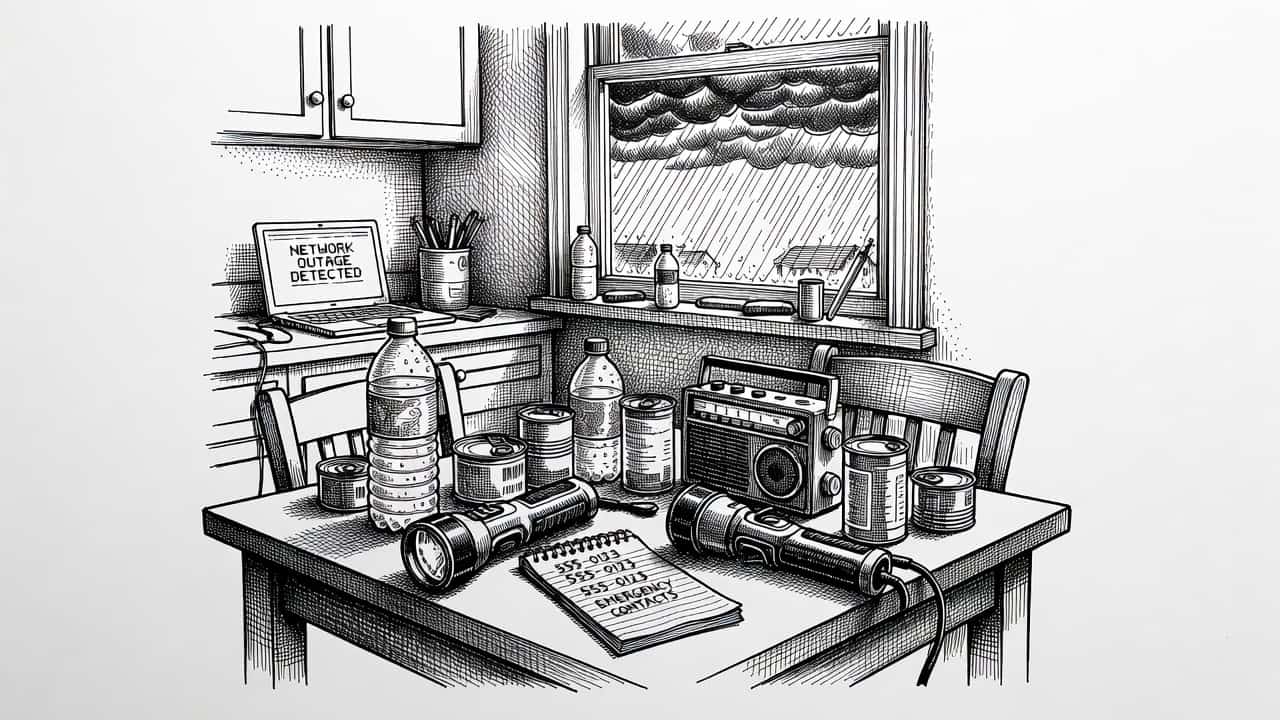
Should the government launch a campaign urging Britons to prepare for crises like extreme weather and cyber-attacks?
The verdict
A narrow yes conceals a stark generational split: the young were nearly unanimous for preparedness campaigns, while the middle-aged 35-44s rejected the idea outright, and the older middle years stayed split down the middle.

0%
Yes
majority
majority
5% No
Votes65
Skipped0
You—
% voting yes, by leaning
—
—
—
—
—
—
—
H. Left
Left
C. Left
Centre
C. Right
Right
H. Right
Should the UK introduce a legal duty of candour on public officials to tell the truth in inquiries?
The verdict
Some referendums split the country down the middle; this one barely found a country to split, with voters here backing a legal duty of candour for public officials by 62 votes to 3.

0%
No
majority
majority
47% Yes
Votes64
Skipped0
You—
% voting yes, by leaning
—
—
—
—
—
—
—
H. Left
Left
C. Left
Centre
C. Right
Right
H. Right
Should the UK ban imports from Israeli West Bank settlements?
The verdict
Close enough at national level to look like a coin toss, but the near-unanimity hidden inside it — women here rejecting a settlements ban almost to a person, the 55-64s doing the same — tells a different story than the six-point margin suggests.

0%
Yes
majority
majority
40% No
Votes113
Skipped0
You—
% voting yes, by leaning
—
—
—
—
—
—
—
H. Left
Left
C. Left
Centre
C. Right
Right
H. Right
Is a trillion too much wealth for one man?
The verdict
The most striking wrinkle is a generational dip in the middle: this chamber decided a trillion is indeed too much for one man by three to two, yet the 35-44s alone bucked the trend, siding decisively with Musk's fortune while their elders and juniors did not.

0%
Yes
majority
majority
22% No
Votes76
Skipped0
You—
% voting yes, by leaning
—
—
—
—
—
—
—
H. Left
Left
C. Left
Centre
C. Right
Right
H. Right
Should the government reform energy policy to cut business costs?
The verdict
Business-cost arguments rarely unite a chamber this thoroughly, but reforming energy policy did, with four in five voters backing change and only the over-65s showing real hesitation.

0%
No
majority
majority
29% Yes
Votes79
Skipped0
You—
% voting yes, by leaning
—
—
—
—
—
—
—
H. Left
Left
C. Left
Centre
C. Right
Right
H. Right
Should the government continue its early prisoner release scheme?
The verdict
The scheme meant to ease prison overcrowding met a chamber that overwhelmingly rejected it, but the real surprise was who defected — pensioners, not the young, proved its most sympathetic audience.
0%
Yes
majority
majority
45% No
Votes80
Skipped0
You—
% voting yes, by leaning
—
—
—
—
—
—
—
H. Left
Left
C. Left
Centre
C. Right
Right
H. Right
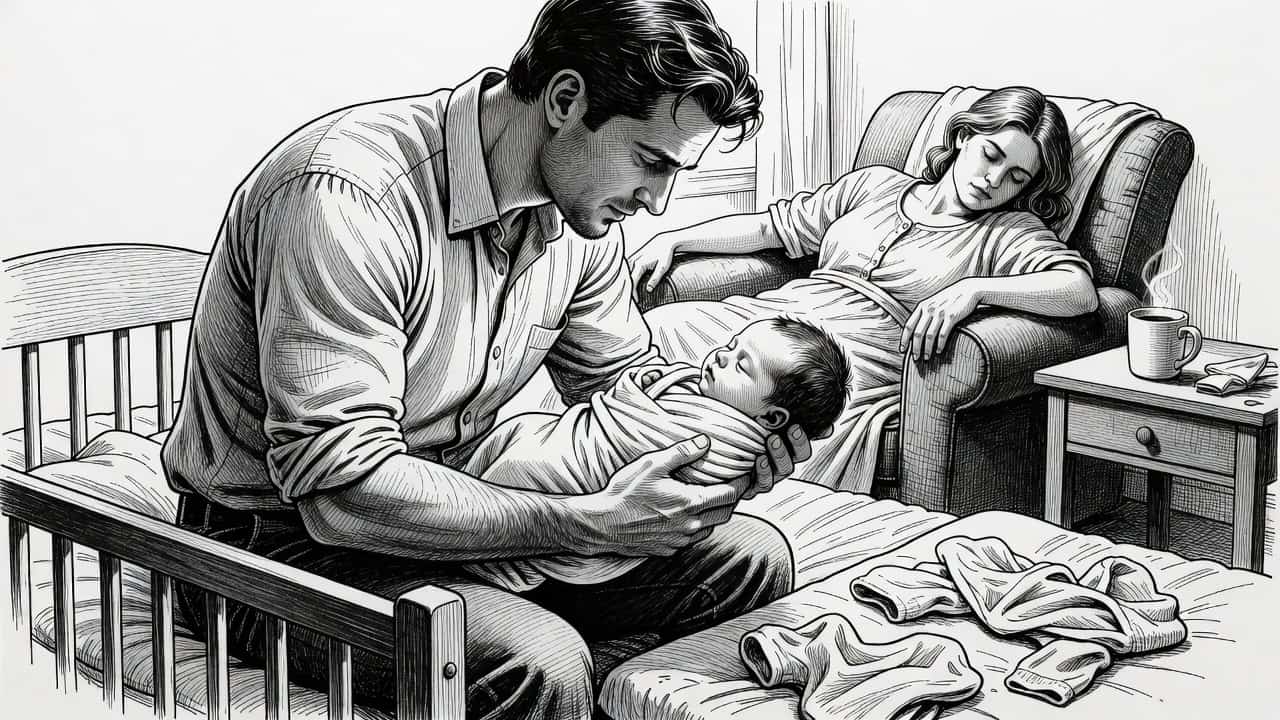
Should the UK introduce six weeks of well-paid paternity leave for fathers?
The verdict
The narrowest of mandates for six weeks' paid paternity leave conceals a generational chasm: 25-34s, the age group actually having babies now, backed it almost unanimously, while every under-25 voter here said no.
0%
Yes
majority
majority
28% No
Votes68
Skipped0
You—
% voting yes, by leaning
—
—
—
—
—
—
—
H. Left
Left
C. Left
Centre
C. Right
Right
H. Right
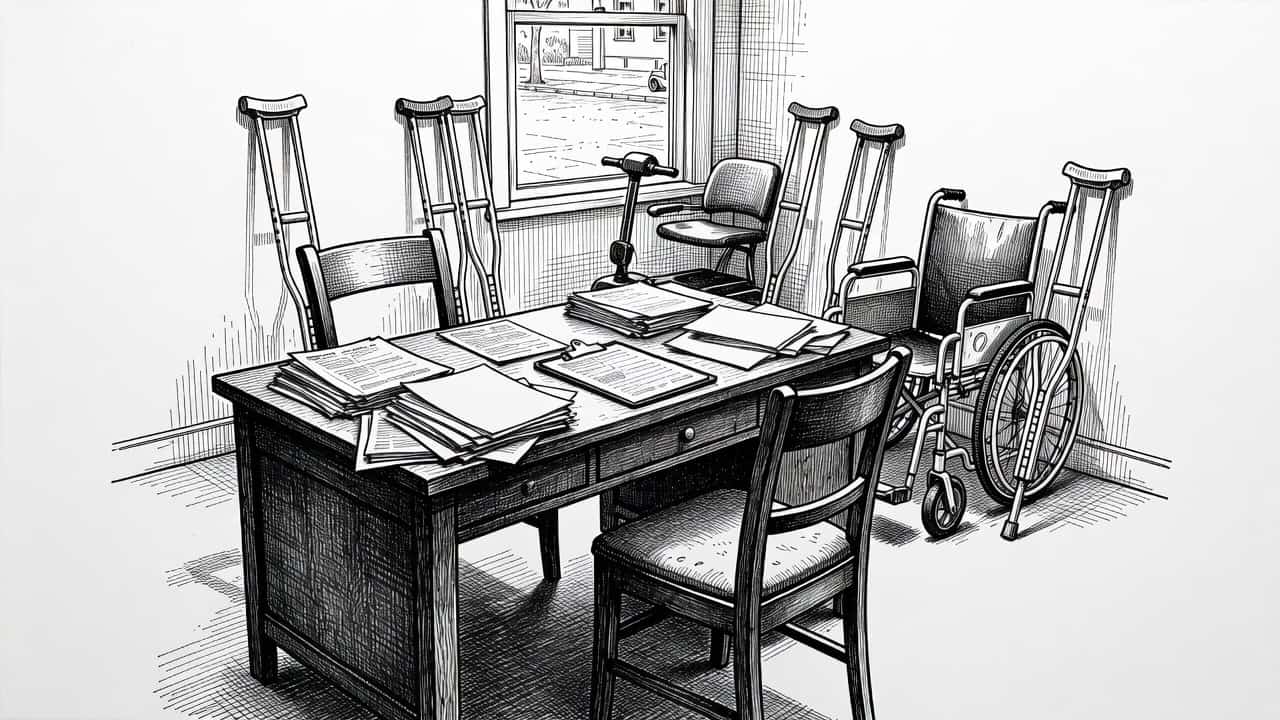
Should the UK government replace Personal Independence Payment with a new disability benefit?
The verdict
Rare consensus on a welfare question: nearly three in four voters here backed scrapping PIP for a new disability benefit, with the old and young most convinced and only the small female sample genuinely split.