
0%
Yes
majority
majority
25% No
Votes107
Skipped0
You—
% voting yes, by leaning
—
—
—
—
—
—
—
H. Left
Left
C. Left
Centre
C. Right
Right
H. Right
Should the UK government issue new North Sea oil and gas licences?
The verdict
A chamber that broke decisively for new drilling suggests Labour's incoming energy pivot away from its own manifesto may find less resistance among voters here than in Westminster, with three in four backing new North Sea licences.
0%
Yes
majority
majority
47% No
Votes106
Skipped0
You—
% voting yes, by leaning
—
—
—
—
—
—
—
H. Left
Left
C. Left
Centre
C. Right
Right
H. Right
Should the government further ease steel import tariffs and quotas to protect construction projects?
The verdict
A narrow verdict for looser tariffs was really a generational one, with the chamber's youngest voters overwhelmingly keen to ease steel duties for builders while its older cohorts, closer perhaps to memories of British Steel's decline, held firm against it.

0%
Yes
majority
majority
20% No
Votes93
Skipped0
You—
% voting yes, by leaning
—
—
—
—
—
—
—
H. Left
Left
C. Left
Centre
C. Right
Right
H. Right
Should the UK define a long-term strategic approach to a post-conflict Russia?
The verdict
The chamber's instinct was less about Ukraine than about foresight itself: four in five voters here backed a formal long-term UK strategy for a post-conflict Russia, treating strategic patience as good statecraft rather than premature guesswork.
0%
Yes
majority
majority
34% No
Votes93
Skipped0
You—
% voting yes, by leaning
—
—
—
—
—
—
—
H. Left
Left
C. Left
Centre
C. Right
Right
H. Right
Should the UK continue producing artillery gun barrels in Britain for Ukraine?
The verdict
The chamber backed keeping the forges running for Kyiv by two to one, but that headline number papers over a gender split so stark it reframes the whole vote: men here backed British-made barrels for Ukraine by three to one, while women broke decisively against, on a question ostensibly about industrial capacity rather than the war itself.

0%
Yes
majority
majority
32% No
Votes80
Skipped0
You—
% voting yes, by leaning
—
—
—
—
—
—
—
H. Left
Left
C. Left
Centre
C. Right
Right
H. Right
Should the government spend £30m on a Farmer Collaboration Fund to promote peer learning and resilient farming?
The verdict
The verdict split less by ideology than by life stage: it was the farming generation in its prime — voters in their late twenties through mid-fifties — who backed the fund most decisively, while the very young and the over-65s were the only cohorts to tip into scepticism, as the £30m Farmer Collaboration Fund passed by roughly two to one.

0%
Yes
majority
majority
18% No
Votes99
Skipped0
You—
% voting yes, by leaning
—
—
—
—
—
—
—
H. Left
Left
C. Left
Centre
C. Right
Right
H. Right
Should the UK impose joint cyber sanctions on Russian state and criminal networks?
The verdict
On a question that might once have split Britain along its familiar Brexit-era lines over Russia, the chamber instead converged hard, backing joint UK-EU cyber sanctions on Moscow's state and criminal networks by four to one — a rare foreign-policy consensus in a country not known for them.

0%
Yes
majority
majority
39% No
Votes109
Skipped4
You—
% voting yes, by leaning
—
—
—
—
—
—
—
H. Left
Left
C. Left
Centre
C. Right
Right
H. Right
Should the UK seek closer ties with the EU?
The verdict
Six years on from full withdrawal, the chamber's clearest fault line wasn't young against old but a single cohort standing apart from every other age group: voters in their late fifties and early sixties dug in hardest against closer ties, even as the vote overall swung decisively — two to one — behind a Brexit "reset".

0%
No
majority
majority
47% Yes
Votes86
Skipped2
You—
% voting yes, by leaning
—
—
—
—
—
—
—
H. Left
Left
C. Left
Centre
C. Right
Right
H. Right
Should Parliament pass Lauren Edwards' assisted suicide bill?
The verdict
The closest of margins on the most consequential of questions: Lauren Edwards' assisted suicide bill fell narrowly here, with No edging it by six points, but the real story is that neither age nor conviction lined up as expected. The 55-64s were the bill's fiercest opponents, while the youngest working-age voters and the over-65s both tilted towards Yes — a U-shaped pattern that cuts against the usual assumption that it is the old who fear this legislation most and the young who back it.
0%
Yes
majority
majority
40% No
Votes113
Skipped4
You—
% voting yes, by leaning
—
—
—
—
—
—
—
H. Left
Left
C. Left
Centre
C. Right
Right
H. Right
Should the UK tax wealth not work for assets over 10 million in value and reduce tax on income?
The verdict
Shifting the tax burden from work to wealth found a comfortable majority here, with three in five backing a levy on fortunes above £10 million and a lighter tax on income — though the 55-64s, the cohort closest to retirement and often sitting on accumulated property or pension wealth, were the one group to recoil from it.

0%
Dead
heat
heat
Votes144
Skipped0
You—
% voting yes, by leaning
—
—
—
—
—
—
—
H. Left
Left
C. Left
Centre
C. Right
Right
H. Right
Should Andy Burnham call an immediate general election?
The verdict
A question about mandates produced no mandate at all: the chamber split exactly down the middle, 72 votes apiece, on whether Andy Burnham should go to the country before governing further.
0%
No
majority
majority
45% Yes
Votes102
Skipped1
You—
% voting yes, by leaning
—
—
—
—
—
—
—
H. Left
Left
C. Left
Centre
C. Right
Right
H. Right
Should a party leader change when the party is the incumbent party trigger a general election?
The verdict
Voters here declined to treat a mid-term change of prime minister as grounds for a fresh mandate, with No winning by ten points, even as the closeness of the vote showed real unease about a Downing Street handover nobody put on a ballot.
0%
Yes
majority
majority
13% No
Votes89
Skipped2
You—
% voting yes, by leaning
—
—
—
—
—
—
—
H. Left
Left
C. Left
Centre
C. Right
Right
H. Right
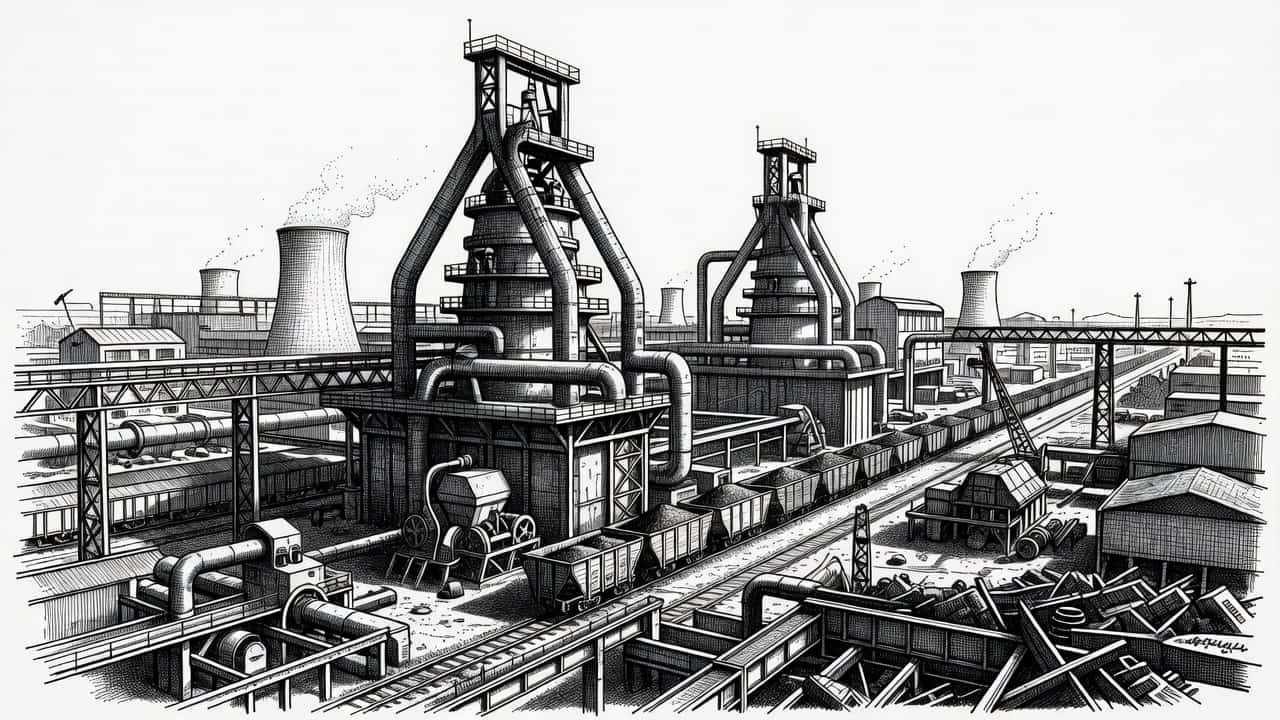
Should the UK have nationalised British Steel from its Chinese owners?
The verdict
When the last blast furnaces making virgin steel in Britain looked set to go cold, this chamber reached for the state without much hesitation, backing the Scunthorpe takeover by better than six to one and leaving Jingye's compensation complaint largely unmourned.

0%
No
majority
majority
26% Yes
Votes108
Skipped1
You—
% voting yes, by leaning
—
—
—
—
—
—
—
H. Left
Left
C. Left
Centre
C. Right
Right
H. Right
Should MPs be allowed second jobs?
The verdict
Nearly three to one, the chamber came down against MPs moonlighting, a verdict striking mainly for how little it divided by age, gender or anything else — this was as close to consensus as a self-selecting sample gets.
0%
Yes
majority
majority
42% No
Votes108
Skipped3
You—
% voting yes, by leaning
—
—
—
—
—
—
—
H. Left
Left
C. Left
Centre
C. Right
Right
H. Right
Should the government reduce social security spending by tackling problems in jobs, health and housing rather than cutting benefits?
The verdict
The chamber backed the softer, root-causes route to welfare reform — 63 to 45, a clear if not landslide preference for mending jobs, health and housing over cutting benefit rates outright.

0%
Yes
majority
majority
37% No
Votes105
Skipped4
You—
% voting yes, by leaning
—
—
—
—
—
—
—
H. Left
Left
C. Left
Centre
C. Right
Right
H. Right
Should the digital ID scheme be scrapped for good?
The verdict
The chamber came down decisively for scrapping the scheme, though the one age band split clean down the middle was the 25-34s, the very cohort most fluent in digital services and most exposed to how they might be policed.

0%
Yes
majority
majority
33% No
Votes109
Skipped1
You—
% voting yes, by leaning
—
—
—
—
—
—
—
H. Left
Left
C. Left
Centre
C. Right
Right
H. Right
Should the UK bring back whole-life sentences for more offences?
The verdict
On a question that touches Britain's rawest instincts about punishment, this chamber came down decisively for expansion, with two in three voters backing whole-life orders for a broader range of violent and sexual crimes, though the generation that will spend longest inside the system it's judging proved the most reluctant to harden it.
0%
No
majority
majority
27% Yes
Votes113
Skipped2
You—
% voting yes, by leaning
—
—
—
—
—
—
—
H. Left
Left
C. Left
Centre
C. Right
Right
H. Right
Do you believe that most politicians are honest?
The verdict
On a question that barely needed asking, the chamber answered anyway, and near enough three in four said no, most politicians are not honest.

0%
Yes
majority
majority
33% No
Votes85
Skipped7
You—
% voting yes, by leaning
—
—
—
—
—
—
—
H. Left
Left
C. Left
Centre
C. Right
Right
H. Right
Should the government extend judicial review reforms to major housing, transport and energy projects?
The verdict
The chamber backed loosening judicial review's grip on housebuilding and infrastructure by two to one, but the enthusiasm belonged almost entirely to the working-age middle — a generation used to blaming planning delay for Britain's stalled growth, not to the young or the old.

0%
Yes
majority
majority
49% No
Votes112
Skipped2
You—
% voting yes, by leaning
—
—
—
—
—
—
—
H. Left
Left
C. Left
Centre
C. Right
Right
H. Right
Should police use AI to review and summarise digital evidence in criminal investigations?
The verdict
A vote this tight on a question this practical suggests Britain's instinct on AI in policing isn't ideological but conditional, and the chamber split almost exactly down the middle, with Yes edging it by the barest of margins, on whether machines can be trusted with the mountains of digital evidence now clogging the justice system.

0%
Yes
majority
majority
31% No
Votes70
Skipped16
You—
% voting yes, by leaning
—
—
—
—
—
—
—
H. Left
Left
C. Left
Centre
C. Right
Right
H. Right
Should Bulgaria allow up to eight US tanker aircraft to be stationed at Bezmer military base?
The verdict
Bulgaria's voters here came down decisively for hosting the US tankers at Bezmer, but the two-to-one verdict masks a real fracture over how comfortable this country is playing forward base for someone else's war — not everyone in the chamber saw sovereignty and NATO utility as pointing the same way.

0%
Yes
majority
majority
47% No
Votes77
Skipped8
You—
% voting yes, by leaning
—
—
—
—
—
—
—
H. Left
Left
C. Left
Centre
C. Right
Right
H. Right
Should the government restrict individual needs-led SEND support with pre-determined tiers and packages?
The verdict
A chamber this evenly split on a question about tiers and packages ended up, fittingly, without much consensus at all — yes crept home by six points, on a coalition that thickened with age rather than settled ideology.
0%
Yes
majority
majority
34% No
Votes93
Skipped2
You—
% voting yes, by leaning
—
—
—
—
—
—
—
H. Left
Left
C. Left
Centre
C. Right
Right
H. Right
Should the house of Lords be scrapped for a better system based on business leaders, academics and others?
The verdict
What looks like a chamber impatient with hereditary privilege turned out, on closer inspection, to be something more particular: two in three backing the scrapping of the Lords for a business-and-academic alternative, with the loudest enthusiasm coming not from the young insurgents you'd expect but from the over-65s, nine in ten of whom wanted it gone.
0%
Yes
majority
majority
20% No
Votes107
Skipped0
You—
% voting yes, by leaning
—
—
—
—
—
—
—
H. Left
Left
C. Left
Centre
C. Right
Right
H. Right
Should MPs who change political parties be forced to trigger a by-election?
The verdict
Rare is the constitutional question that unites a chamber almost regardless of who's asked, but this one did: the defections of Reform's new MPs from their 2024 tickets have produced a verdict, four to one, that switching parties should cost you your seat until voters say otherwise.
0%
No
majority
majority
47% Yes
Votes106
Skipped0
You—
% voting yes, by leaning
—
—
—
—
—
—
—
H. Left
Left
C. Left
Centre
C. Right
Right
H. Right
Should pensioners continue receiving the State Pension triple lock?
The verdict
A pledge built to protect pensioners from politics fell narrowly to the very generation approaching retirement, with the triple lock's guarantee against inflation and wage stagnation losing by a slim six points as the near-retired and working-age middle turned against it.