
0%
No
majority
majority
43% Yes
Votes30
Skipped0
You—
% voting yes, by leaning
—
—
—
—
—
—
—
H. Left
Left
C. Left
Centre
C. Right
Right
H. Right
Should the Prime Minister regularly work from outside London?
The verdict
A fictional Prime Minister's symbolic dash to No10 North was meant to settle the question of where power should sit, but the chamber left it unsettled, splitting close enough that "should the PM work from outside London" carried by only 14 points of 30 votes cast.

0%
Yes
majority
majority
30% No
Votes133
Skipped2
You—
% voting yes, by leaning
—
—
—
—
—
—
—
H. Left
Left
C. Left
Centre
C. Right
Right
H. Right
Should landlords of student lets pay council tax on the property?
The verdict
A clear two-to-one margin for taxing student landlords, but the sharpest No argument barely dented the result: this was a vote decided on who should bear the cost of student living, not on the technicalities of who legally owes it.
0%
No
majority
majority
32% Yes
Votes142
Skipped2
You—
% voting yes, by leaning
—
—
—
—
—
—
—
H. Left
Left
C. Left
Centre
C. Right
Right
H. Right
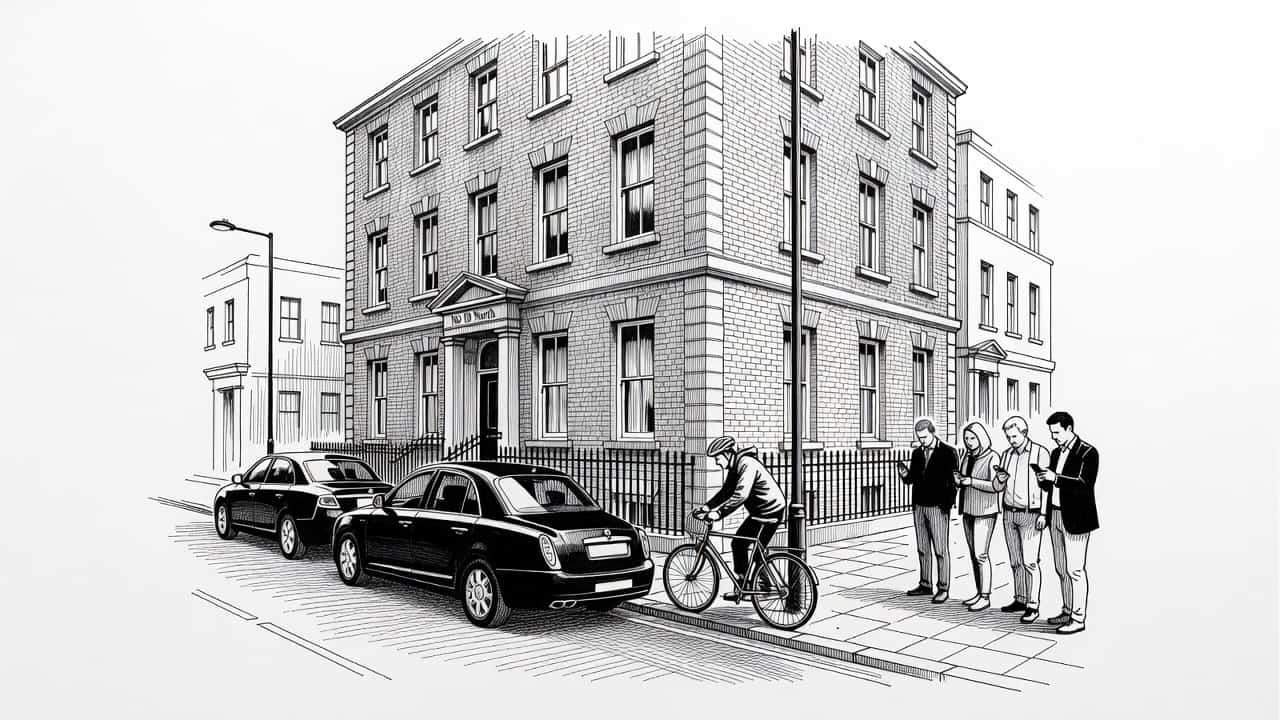
Is Burnham gearing up for a 2026 general election?
The verdict
Two to one against, the chamber decided Burnham's denials are just that — denials, not a plan — even as barely anyone bothered to make the case in writing.

0%
Yes
majority
majority
40% No
Votes10
Skipped2
You—
% voting yes, by leaning
—
—
—
—
—
—
—
H. Left
Left
C. Left
Centre
C. Right
Right
H. Right
Should the UK renegotiate its US trade deal to match the EU's new 10% tariff rate across all sectors?
The verdict
A narrow six-to-four verdict, from just ten voters, that the UK should chase parity with Brussels on tariffs — a result too small to call a mood but pointed enough to note where the grievance sits: not the whisky exemption, but the sectors left exposed.
0%
Yes
majority
majority
46% No
Votes132
Skipped3
You—
% voting yes, by leaning
—
—
—
—
—
—
—
H. Left
Left
C. Left
Centre
C. Right
Right
H. Right
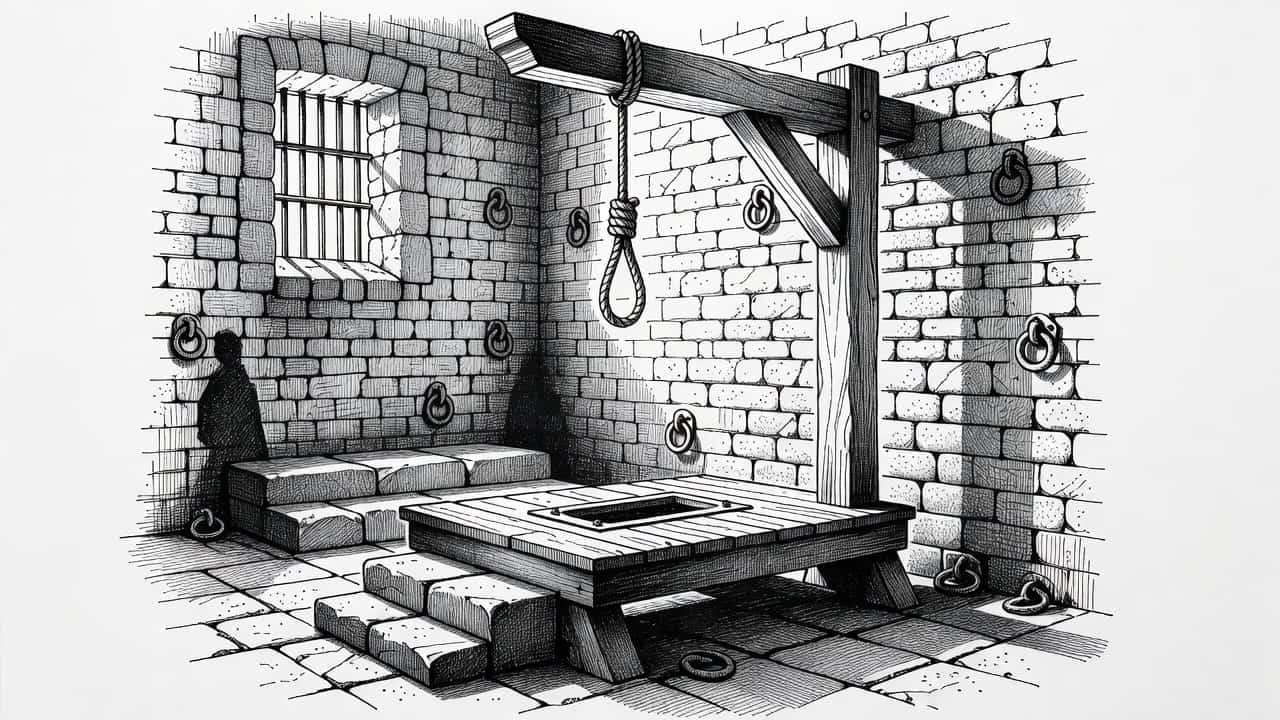
Should we reintroduce the death penalty for the most serious crimes?
The verdict
A narrow but decisive majority backed reviving capital punishment for the worst crimes, closing a 60-year-old chapter of British justice by an 8-point margin even as the floor's sharpest arguments came from the side that lost.
0%
No
majority
majority
45% Yes
Votes110
Skipped0
You—
% voting yes, by leaning
—
—
—
—
—
—
—
H. Left
Left
C. Left
Centre
C. Right
Right
H. Right
Should Burnham hand England's regions sweeping new powers in a "devolution big bang"?
The verdict
A generational split runs right through this one: the youngest voters here backed Burnham's devolution rush almost unanimously, while everyone over 35 recoiled, leaving the "big bang" rejected by a ten-point margin of the 110 who voted.
0%
Yes
majority
majority
41% No
Votes112
Skipped14
You—
% voting yes, by leaning
—
—
—
—
—
—
—
H. Left
Left
C. Left
Centre
C. Right
Right
H. Right
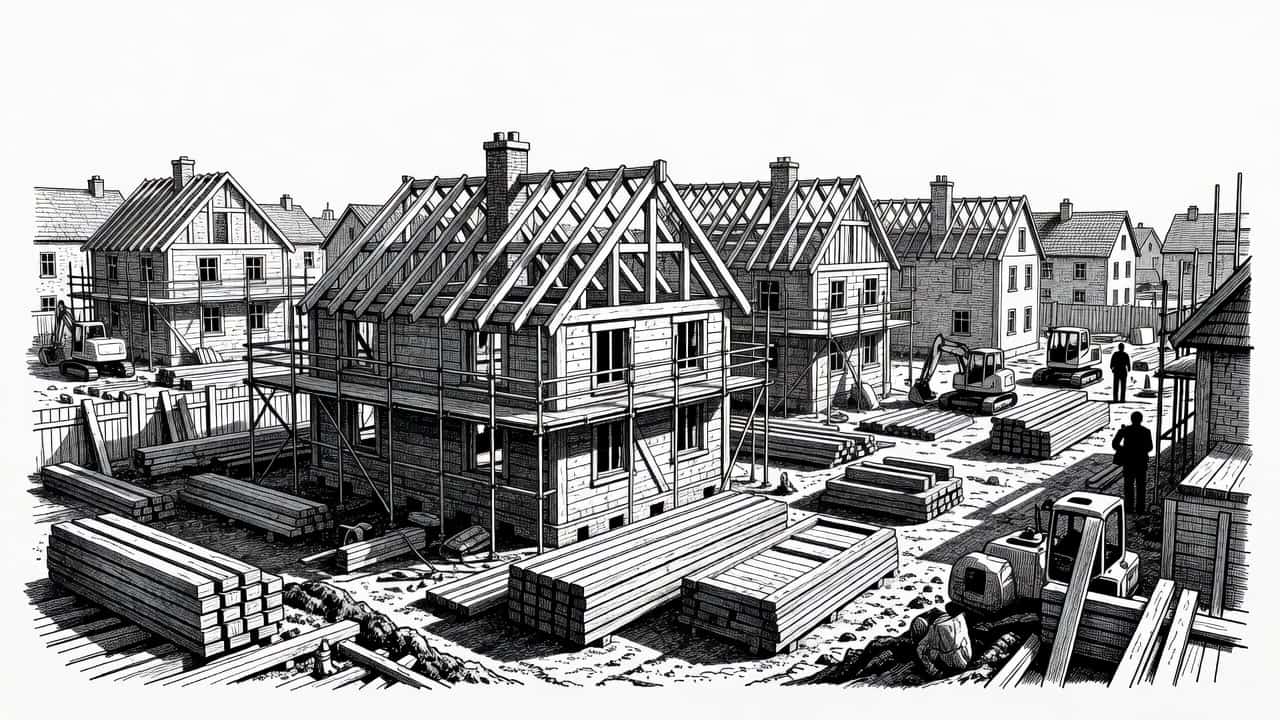
Should the UK government promote structural timber to accelerate housebuilding?
The verdict
A modest majority here backed timber over steel and concrete as the fix for Britain's housing shortfall, with yes carrying it by eighteen points even as the middle-aged proved the coalition's soft spot.

0%
Dead
heat
heat
Votes105
Skipped8
You—
% voting yes, by leaning
—
—
—
—
—
—
—
H. Left
Left
C. Left
Centre
C. Right
Right
H. Right
Should the UK change GDP growth as the main economic target in favour of a no-growth model focused on wellbeing and sust
The verdict
A single vote settled it: on whether to junk GDP for a wellbeing-and-sufficiency model, the chamber effectively tied itself in knots, 52 to 53, a verdict as close to a shrug as a referendum can produce.

0%
Yes
majority
majority
28% No
Votes109
Skipped2
You—
% voting yes, by leaning
—
—
—
—
—
—
—
H. Left
Left
C. Left
Centre
C. Right
Right
H. Right
Should the UK approve the Rosebank and Jackdaw North Sea drilling projects?
The verdict
The chamber backed new North Sea licences by a wide margin, folding Rosebank and Jackdaw into the cost-of-living argument Andy Burnham has floated — but only after the youngest voters present staged the one visible revolt, near-unanimously against.

0%
No
majority
majority
47% Yes
Votes112
Skipped3
You—
% voting yes, by leaning
—
—
—
—
—
—
—
H. Left
Left
C. Left
Centre
C. Right
Right
H. Right
Should the UK pursue full nationalisation of utilities funded solely by consolidating private pension funds?
The verdict
The finance came narrower than the philosophy: a chamber broadly sympathetic to public ownership still balked, by a slim margin, at the specific mechanism of raiding pension pots to pay for it, with No edging it on 112 votes.

0%
No
majority
majority
39% Yes
Votes110
Skipped1
You—
% voting yes, by leaning
—
—
—
—
—
—
—
H. Left
Left
C. Left
Centre
C. Right
Right
H. Right
Should any non-citizen immigrant ever be eligible to receive state benefits such as housing, money, education or NHS?
The verdict
Voters here drew a hard line between principle and practice: asked whether a non-citizen should ever qualify for state support, the chamber's answer was a clear no, with only four in ten backing any entitlement — but the age pattern beneath that verdict refuses to fit the usual "young open, old closed" script.

0%
Yes
majority
majority
31% No
Votes106
Skipped15
You—
% voting yes, by leaning
—
—
—
—
—
—
—
H. Left
Left
C. Left
Centre
C. Right
Right
H. Right
Should the UK government implement the Makers' Manifesto to strengthen manufacturing?
The verdict
Manufacturing policy rarely produces consensus across a chamber this broad, yet here the verdict was emphatic: voters backed the Makers' Manifesto by better than two to one, with support holding firm across every age band from apprentices to pensioners.

0%
Yes
majority
majority
38% No
Votes107
Skipped5
You—
% voting yes, by leaning
—
—
—
—
—
—
—
H. Left
Left
C. Left
Centre
C. Right
Right
H. Right
Would scrapping the digital ID scheme help Andy Burnham prioritise the cost of living?
The verdict
Age did most of the talking here: the youngest voters backed scrapping digital ID almost as one, while the over-65s were the only group to reject it, leaving Burnham's redirection of £1.8 billion toward living costs endorsed two-to-one overall but far from settled across generations.
0%
Yes
majority
majority
32% No
Votes124
Skipped5
You—
% voting yes, by leaning
—
—
—
—
—
—
—
H. Left
Left
C. Left
Centre
C. Right
Right
H. Right
Should England create a National Care Service that operates on NHS principles?
The verdict
The chamber that will actually need care backed it hardest: voters over 65 supported a National Care Service on NHS principles by nine to one, as the floor overall endorsed Andy Burnham's plan two to one, leaving the funding question conspicuously unresolved.

0%
Yes
majority
majority
19% No
Votes109
Skipped9
You—
% voting yes, by leaning
—
—
—
—
—
—
—
H. Left
Left
C. Left
Centre
C. Right
Right
H. Right
If the same pothole is fixed three years in a row, should the section 100 yards each way be fully resurfaced?
The verdict
Voters here took a dim view of the annual patch-and-pray cycle, backing full resurfacing after three repeat fixes by four to one, a verdict that treats council thrift as false economy rather than prudence.

0%
No
majority
majority
28% Yes
Votes113
Skipped9
You—
% voting yes, by leaning
—
—
—
—
—
—
—
H. Left
Left
C. Left
Centre
C. Right
Right
H. Right
Should the UK allow generative AI to support licensing and ethical oversight in animal research?
The verdict
On a question about handing algorithmic judgement any role in animal welfare oversight, the chamber recoiled decisively, with three in four rejecting generative AI's involvement in licensing decisions that campaigners and scientists alike treat as ethically load-bearing.
0%
Yes
majority
majority
31% No
Votes107
Skipped5
You—
% voting yes, by leaning
—
—
—
—
—
—
—
H. Left
Left
C. Left
Centre
C. Right
Right
H. Right
Should the government expand wraparound childcare funding for service families?
The verdict
Retention, not sentiment, was the subtext here: a chamber otherwise split down the middle by gender closed ranks two to one behind extending wraparound childcare for service families, treating it less as a welfare perk than as the price of keeping people in uniform.

0%
Yes
majority
majority
40% No
Votes120
Skipped2
You—
% voting yes, by leaning
—
—
—
—
—
—
—
H. Left
Left
C. Left
Centre
C. Right
Right
H. Right
Should the BBC Licence be scrapped and replaced by a subscription service?
The verdict
The chamber decided the licence fee has outlived its argument, backing a switch to subscription by a clear three-to-two margin even as the strongest voice against it made the case that a smaller, meaner BBC would be the price of that convenience.
0%
Yes
majority
majority
49% No
Votes107
Skipped4
You—
% voting yes, by leaning
—
—
—
—
—
—
—
H. Left
Left
C. Left
Centre
C. Right
Right
H. Right
Should those convicted beyond any reasonable doubt of child sexual abuse be put to death?
The verdict
Reviving a punishment Britain formally buried in 1998, the chamber narrowly backed execution for child sex offenders — 55 to 52 of 107 votes — with women considerably more wary of the remedy than men.

0%
No
majority
majority
46% Yes
Votes131
Skipped2
You—
% voting yes, by leaning
—
—
—
—
—
—
—
H. Left
Left
C. Left
Centre
C. Right
Right
H. Right
Should Burnham run part of his government from a "Northern Number 10" in Manchester?
The verdict
The chamber gave Andy Burnham's Manchester experiment a narrow but clear rebuff, with No prevailing by eight points on a question that was less about geography than about whether devolution built from Downing Street is devolution at all.
0%
Yes
majority
majority
37% No
Votes114
Skipped5
You—
% voting yes, by leaning
—
—
—
—
—
—
—
H. Left
Left
C. Left
Centre
C. Right
Right
H. Right
Should the Ministry of Defence reimburse early years childcare costs for service families in Scotland, Wales and Northern Ireland?
The verdict
The chamber's clearest fault line here wasn't age but gender, with men backing the MoD's plan to iron out childcare disparities across the union while women split the other way, a reminder that reimbursement schemes often look tidier on the balance sheet than they do to the people actually managing the childcare.

0%
Dead
heat
heat
Votes111
Skipped2
You—
% voting yes, by leaning
—
—
—
—
—
—
—
H. Left
Left
C. Left
Centre
C. Right
Right
H. Right
Should fracking be allowed?
The verdict
A single vote separated the two sides, and beneath that near-perfect tie sits a chamber cracked clean along generational and gender lines: fracking's fate here came down to a coin toss, with yes edging it by one vote of 111 cast.

0%
No
majority
majority
24% Yes
Votes104
Skipped3
You—
% voting yes, by leaning
—
—
—
—
—
—
—
H. Left
Left
C. Left
Centre
C. Right
Right
H. Right
Is Labour's 1.5 million homes target realistic?
The verdict
Scepticism ran deep across the chamber on Labour's flagship housebuilding pledge, with roughly three in four voters here dismissing the 1.5 million target as unrealistic even as annual completions sit at their lowest since 2015/16.
0%
No
majority
majority
45% Yes
Votes113
Skipped2
You—
% voting yes, by leaning
—
—
—
—
—
—
—
H. Left
Left
C. Left
Centre
C. Right
Right
H. Right
Is it time to suspend all benefits and have all claimants reevaluated?
The verdict
A blunt proposal to switch off the whole benefits system and start again fell narrowly short, with No prevailing by ten points, but the chamber's arithmetic scrambled the usual generational script: it was the 35-44s, not the young or the pensioners, who backed suspension most emphatically, while every other age band pulled the other way. That inversion is the real finding here. Voters in their thirties and early forties — often the group squeezed hardest by tax and childcare costs while feeling furthest from needing state support themselves — swung decisively for a reset, whereas the youngest cohort and the 45-54s, closer to the sharp end of PIP delays or caring responsibilities, resisted it hardest. Men edged narrowly toward suspension, women leaned away, but neither gap approached the scale of that age anomaly, suggesting this was less a simple left-right split than a divide between those who feel they're subsidising a system and those who fear becoming its casualty. The vote lands squarely on the fault line opposition figures have been working since the pandemic-era claims surge — fraud, face-to-face assessments, work conditionality — against a government wary of the "administrative errors and hardship" its own reassessment drive keeps generating. That the chamber split so close to even, on a policy as drastic as suspending all payments outright, shows how far the argument for a harder reset has travelled into mainstream welfare debate, even where it doesn't quite win. The floor's two most-respected voices captured the poles precisely. The Yes case argued baldly that "apart from the most extreme cases of disability, benefits are just encouraging a society of dependant losers," while the top-rated No response dismissed the fraud premise itself, telling Yes voters "the world is not replete with people fulfilling your bizarre conspiratorial fantasy of co-ordinated fraud." A near-even split on stopping every payment in the country tells you the argument isn't about to go away, whichever side of forty you happen to be on.