0%
Yes
majority
majority
27% No
Votes603
Skipped7
You—
% voting yes, by leaning
—
—
—
—
—
—
—
H. Left
Left
C. Left
Centre
C. Right
Right
H. Right
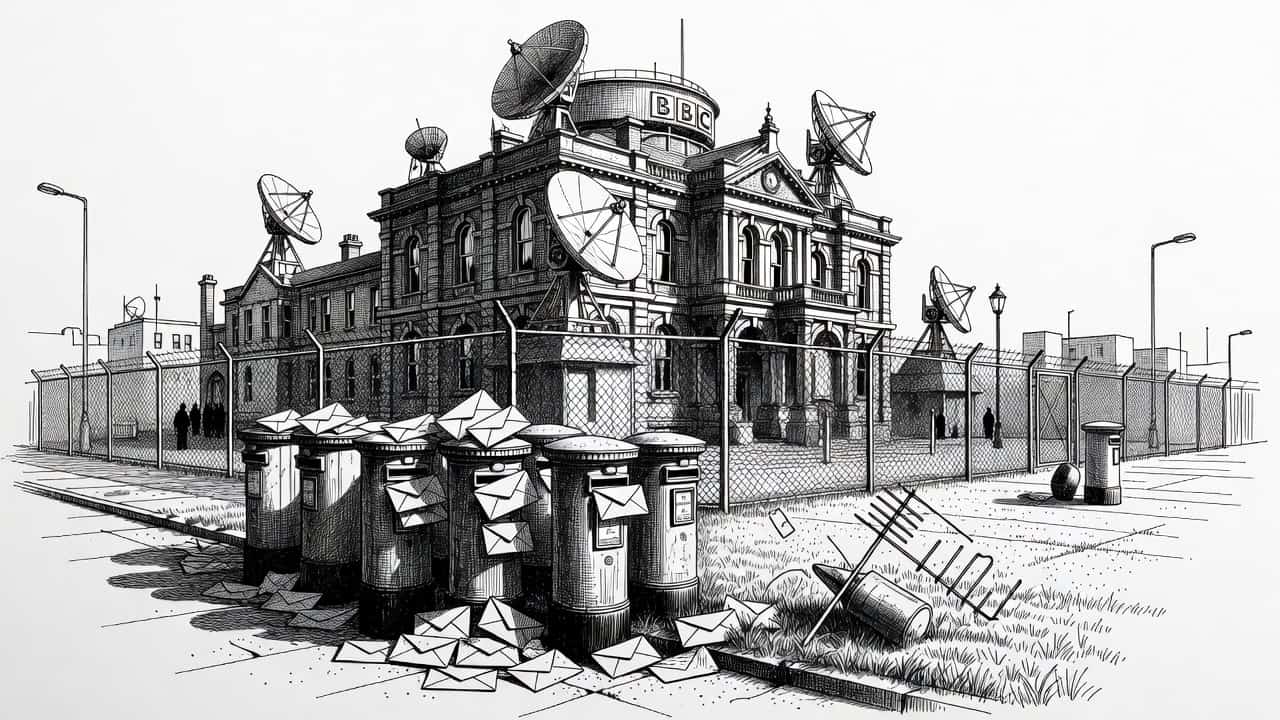
Should the BBC licence fee be revoked?
The verdict
“It is an effective tax to fund a declining and increasingly biased service” was the room’s sharpest refrain: Yes won by nearly three to one, with the argument aimed less at broadcasting than at the compulsion built into its bill.

0%
No
majority
majority
26% Yes
Votes591
Skipped18
You—
% voting yes, by leaning
—
—
—
—
—
—
—
H. Left
Left
C. Left
Centre
C. Right
Right
H. Right
Should the UK Chagos Island treaty still go ahead?
The verdict
The chamber rejected the treaty, and the sharpest voices made it a question of Chagossian consent and paying to lease back a strategic base already under UK control.
0%
No
majority
majority
21% Yes
Votes598
Skipped9
You—
% voting yes, by leaning
—
—
—
—
—
—
—
H. Left
Left
C. Left
Centre
C. Right
Right
H. Right
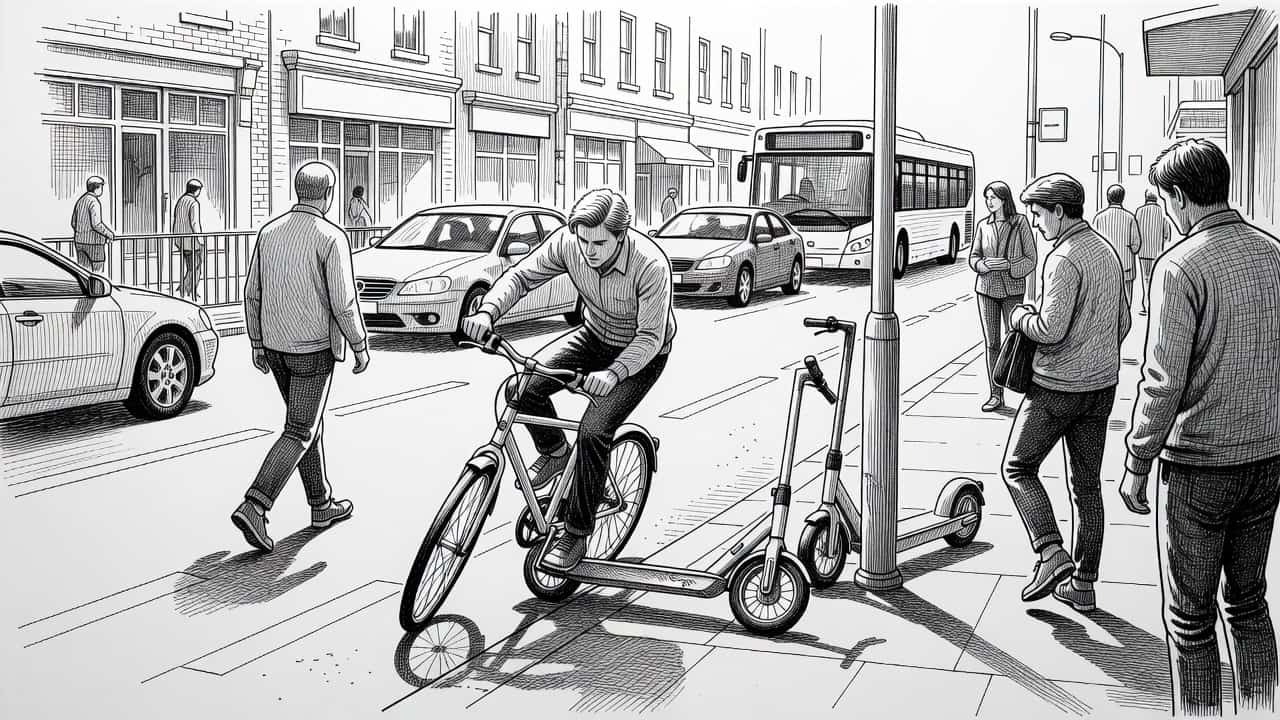
Should it be legal to ride e-scooters on public roads and pavements?
The verdict
“The pavement is not optional” became the room’s governing thought: No rejected the bundled road-and-pavement proposition by more than three to one, while many voters quietly argued for roads alone.
0%
No
majority
majority
23% Yes
Votes597
Skipped11
You—
% voting yes, by leaning
—
—
—
—
—
—
—
H. Left
Left
C. Left
Centre
C. Right
Right
H. Right
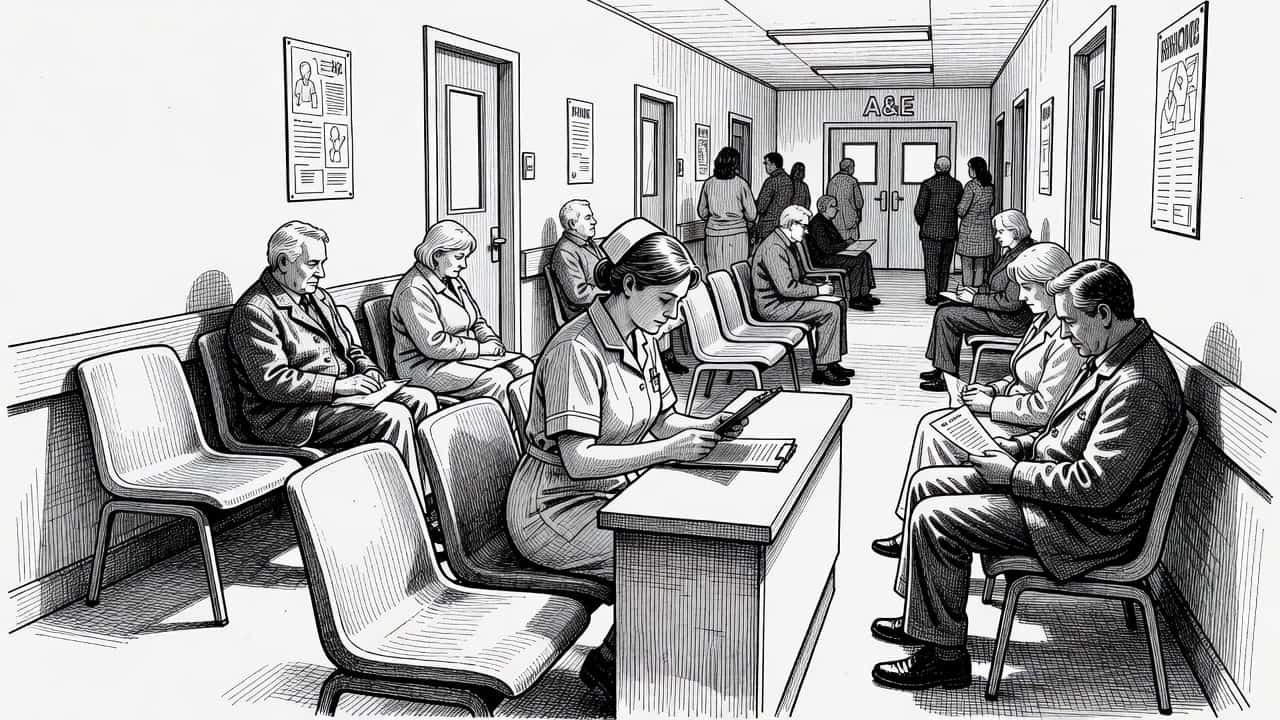
Should people who pay the basic rate of income tax be prioritised on NHS waiting lists?
The verdict
A proposed tax-code fast lane was met with a clinical-need chorus: No won decisively, while the sharpest Yes case argued that workers who pay in should not be pushed towards private care.

0%
No
majority
majority
21% Yes
Votes593
Skipped13
You—
% voting yes, by leaning
—
—
—
—
—
—
—
H. Left
Left
C. Left
Centre
C. Right
Right
H. Right
Is the government right to tell the army to stop non-essential training exercises to save money?
The verdict
The only Yes voice called the cuts “obviously one of the last places to seek”, but No won by nearly four to one; the room’s verdict was less a cost-benefit debate than a refusal to treat readiness as discretionary.
0%
No
majority
majority
49% Yes
Votes609
Skipped1
You—
% voting yes, by leaning
—
—
—
—
—
—
—
H. Left
Left
C. Left
Centre
C. Right
Right
H. Right
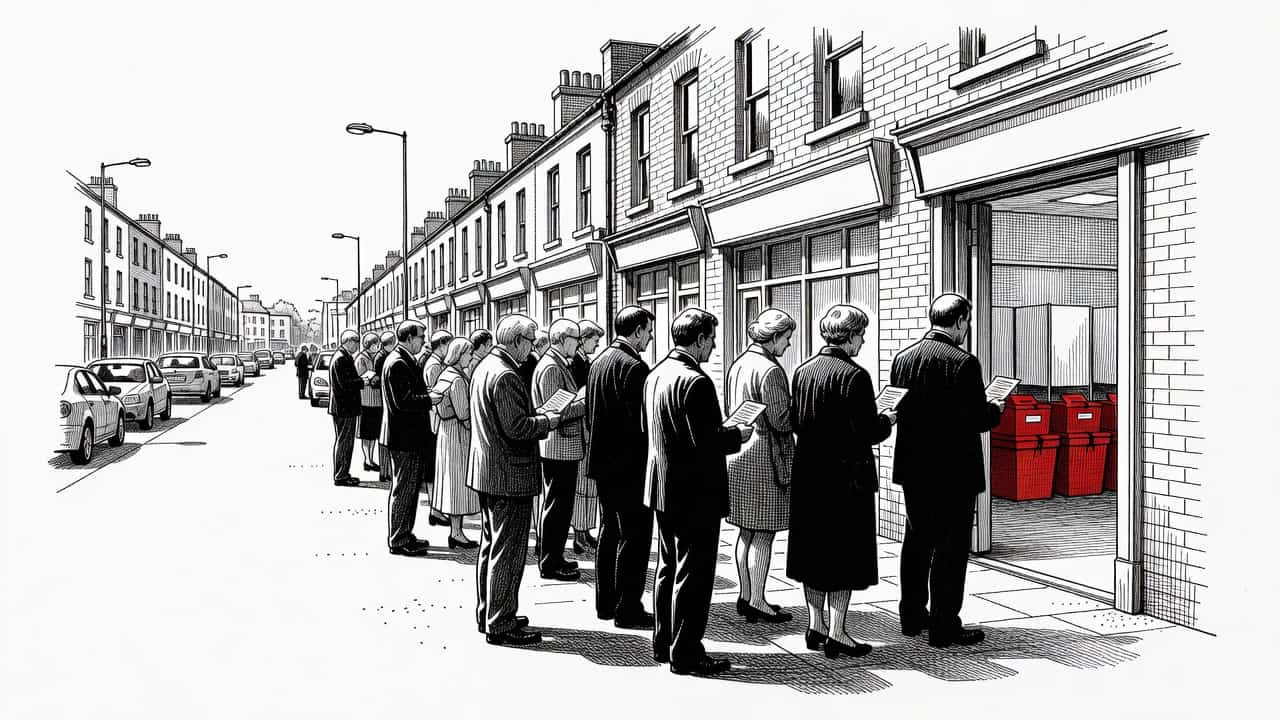
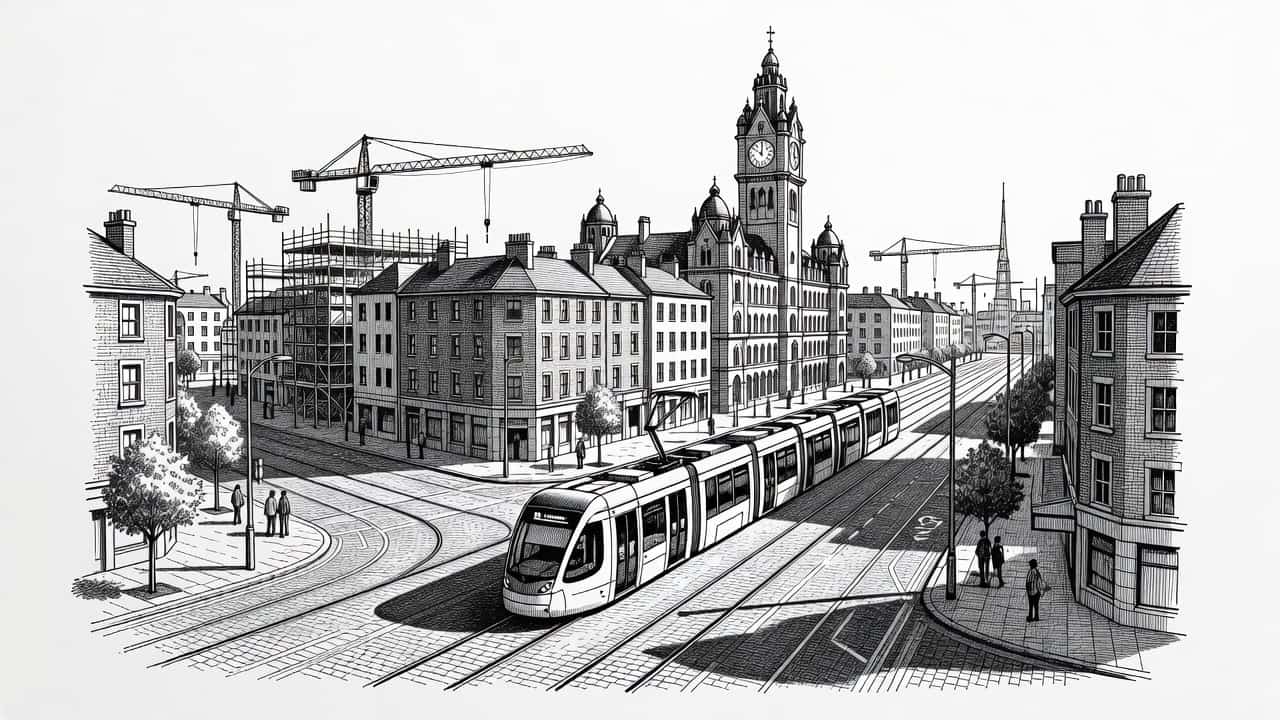
Should voting be mandatory in UK general elections?
The verdict
A near-dead heat turned on a paradox: voters arguing over mandatory voting kept converging on the same escape hatch — none of the above.
0%
No
majority
majority
42% Yes
Votes587
Skipped15
You—
% voting yes, by leaning
—
—
—
—
—
—
—
H. Left
Left
C. Left
Centre
C. Right
Right
H. Right
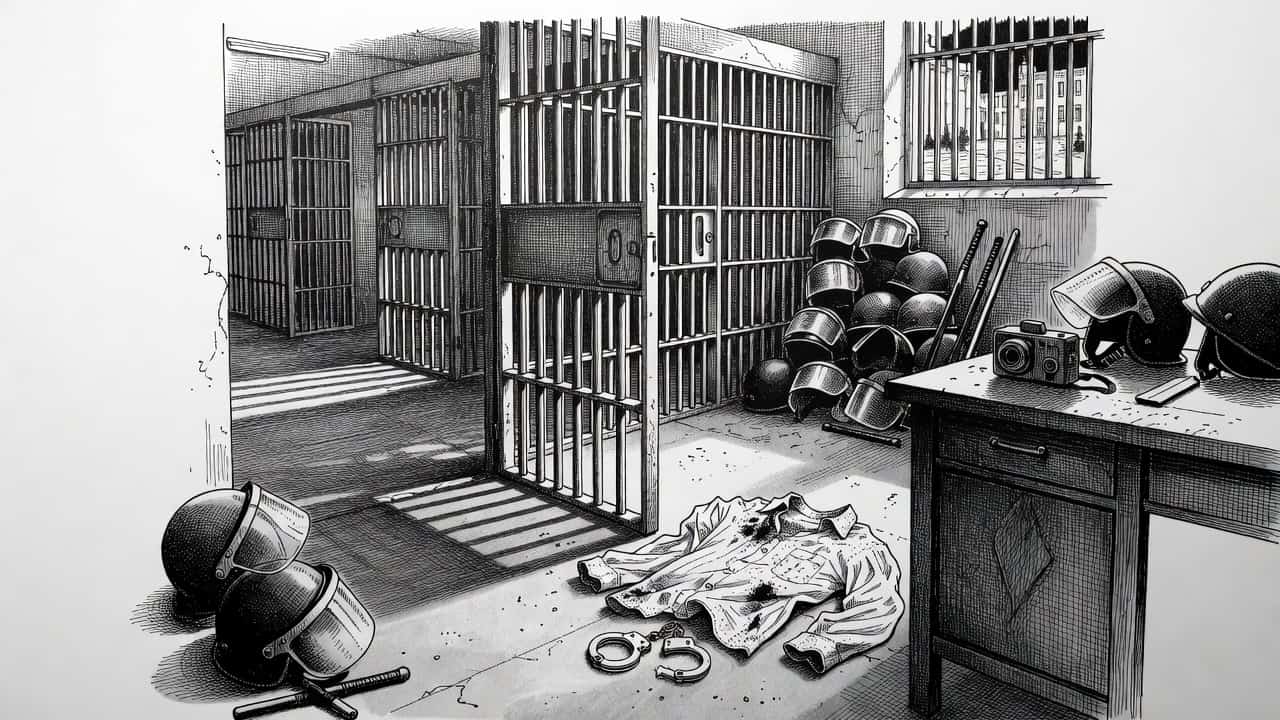
Should local authorities be granted more power to implement regional laws without Westminster approval?
The verdict
Local power met its sharpest resistance in a warning about councils: “decision making is often very poor indeed”, and No won the vote.
0%
Yes
majority
majority
38% No
Votes600
Skipped10
You—
% voting yes, by leaning
—
—
—
—
—
—
—
H. Left
Left
C. Left
Centre
C. Right
Right
H. Right
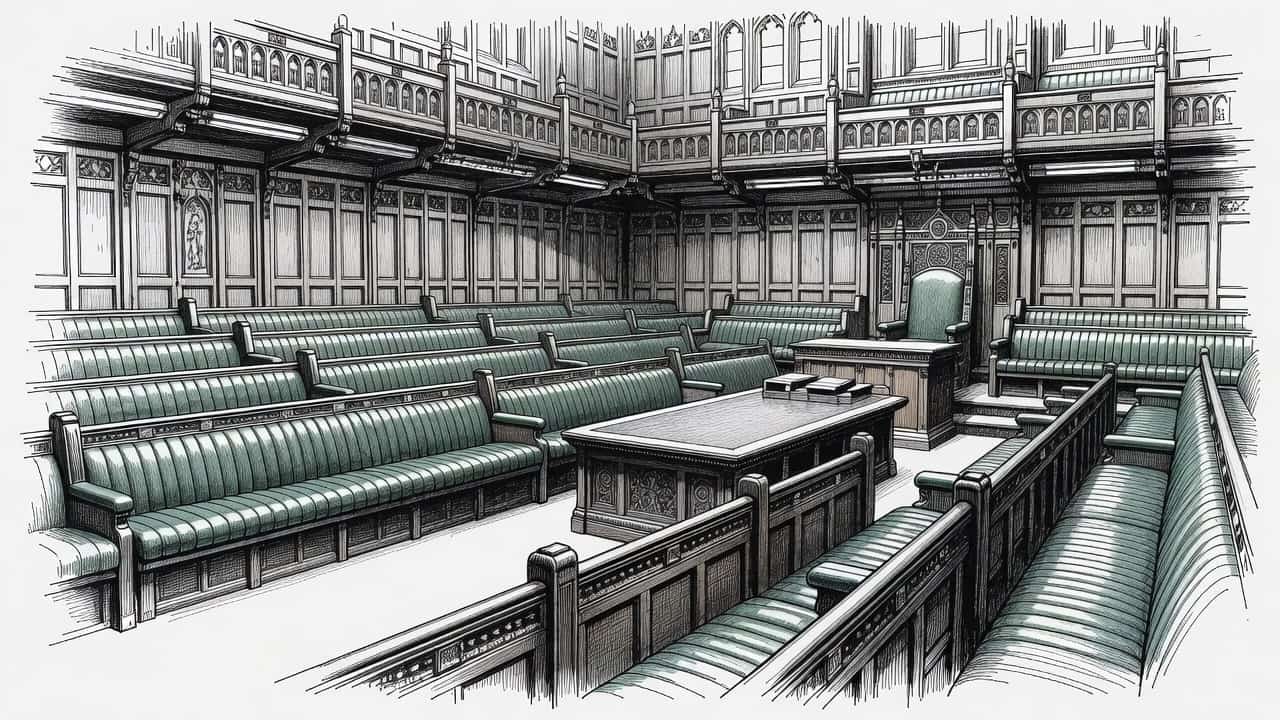
Is UK policing biased against white British people?
The verdict
“It couldn't be more obvious,” said the floor’s highest-rated Yes argument about unequal policing; Yes won decisively, but the room’s sharpest disagreement was over whether Southampton exposed bias or incompetence.
0%
No
majority
majority
29% Yes
Votes567
Skipped12
You—
% voting yes, by leaning
—
—
—
—
—
—
—
H. Left
Left
C. Left
Centre
C. Right
Right
H. Right
Should the UK government grant a second Scottish independence referendum?
The verdict
A decisive refusal left the floor’s most-respected case on the losing side: “denying a Section 30 order isn't protecting the union it's suppressing basic democracy”.

0%
No
majority
majority
40% Yes
Votes568
Skipped4
You—
% voting yes, by leaning
—
—
—
—
—
—
—
H. Left
Left
C. Left
Centre
C. Right
Right
H. Right
Should Parliament transfer ongoing power over immigration policy to direct citizen votes?
The verdict
“Do the job we hired you for” captured the mood: the proposal was rejected as a remedy for parliamentary failure, with voters preferring elected government to permanent immigration referendums.
0%
Yes
majority
majority
46% No
Votes544
Skipped30
You—
% voting yes, by leaning
—
—
—
—
—
—
—
H. Left
Left
C. Left
Centre
C. Right
Right
H. Right
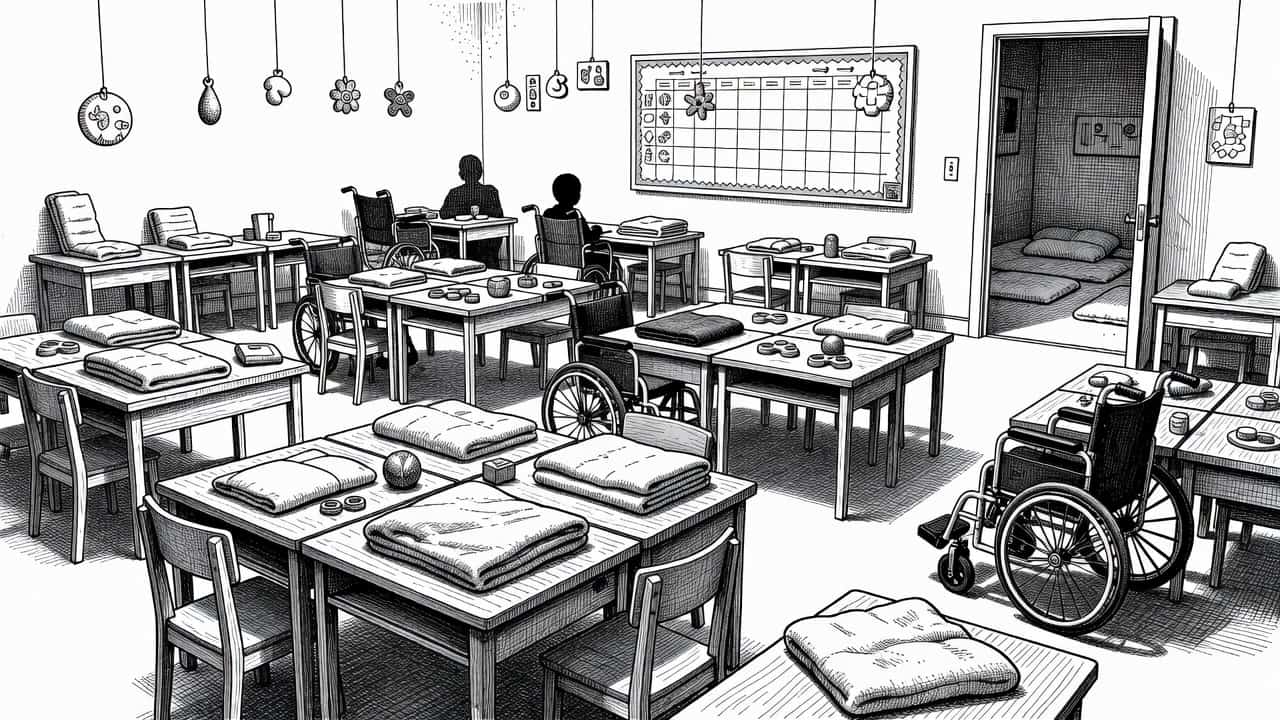
Should the government increase overall education spending to better support children with SEND?
The verdict
The Yes side prevailed narrowly, but the room’s sharpest argument came from No: “pouring billions into an unreformed SEND system is pouring water into a leaking bucket.”
0%
Yes
majority
majority
22% No
Votes573
Skipped6
You—
% voting yes, by leaning
—
—
—
—
—
—
—
H. Left
Left
C. Left
Centre
C. Right
Right
H. Right
Should employers be required to advertise jobs to British nationals for 28 days before recruiting overseas?
The verdict
The winning case was blunt: “Our own first” — and the proposal passed by nearly four to one. Yet the sharpest dissent warned that advertising could become a “box ticking exercise”, making this a vote for priority more than faith in the mechanism.
0%
Yes
majority
majority
43% No
Votes552
Skipped24
You—
% voting yes, by leaning
—
—
—
—
—
—
—
H. Left
Left
C. Left
Centre
C. Right
Right
H. Right
Should Nigel Farage resign after "plotting to break law on foreign donations"?
The verdict
The chamber backed resignation, but the sharpest No case insisted: “A Channel 4 sting and a call to resign are not a conviction.” The result was less a verdict on guilt than a test of political standards.
0%
Yes
majority
majority
41% No
Votes566
Skipped12
You—
% voting yes, by leaning
—
—
—
—
—
—
—
H. Left
Left
C. Left
Centre
C. Right
Right
H. Right
Should the remaining Church of England bishops be removed from the House of Lords?
The verdict
A secular argument beat a heritage argument: the chamber chose removal, while its two most respected voices agreed only that automatic religious seats expose the Lords’ unresolved constitutional logic.
0%
Yes
majority
majority
25% No
Votes567
Skipped5
You—
% voting yes, by leaning
—
—
—
—
—
—
—
H. Left
Left
C. Left
Centre
C. Right
Right
H. Right
Is tightening rules on mega-donors essential to restore trust in UK democracy?
The verdict
“One person, one vote, not one pound, one vote” was the line that carried the room: Yes won by three to one, while even some No voters drew a line at million-pound giving and argued for transparency rather than a blanket ban.

0%
Yes
majority
majority
40% No
Votes527
Skipped45
You—
% voting yes, by leaning
—
—
—
—
—
—
—
H. Left
Left
C. Left
Centre
C. Right
Right
H. Right
Should 'transgender identity' be removed from the proposed 'conversion therapy' ban?
The verdict
The winning case was not a defence of the bill but an attack on what voters saw as its reach: “Do not criminalise the question.” Yes won by a clear margin, with the room more animated by fears of overreach than by the case for equal protection.
0%
Yes
majority
majority
3% No
Votes589
Skipped3
You—
% voting yes, by leaning
—
—
—
—
—
—
—
H. Left
Left
C. Left
Centre
C. Right
Right
H. Right
Should lobbying be made completely transparent?
The verdict
“Hidden influence is a larger one”: the platform’s vote backed complete lobbying transparency by an overwhelming margin, while the No side left no argument on the page. The case was as much for exposing—or abolishing—lobbying as regulating it.
0%
No
majority
majority
43% Yes
Votes583
Skipped8
You—
% voting yes, by leaning
—
—
—
—
—
—
—
H. Left
Left
C. Left
Centre
C. Right
Right
H. Right
Should the pension triple lock be scrapped to ease financial pressure from recent surge in bond yields?
The verdict
A promise to pensioners was treated as a red line, not a line item: No won decisively, while the strongest voices in the room cast fiscal pressure as an excuse to raid an already inadequate safety net.
0%
Yes
majority
majority
16% No
Votes588
Skipped1
You—
% voting yes, by leaning
—
—
—
—
—
—
—
H. Left
Left
C. Left
Centre
C. Right
Right
H. Right
Should MPs be banned from expensing their energy bills?
The verdict
“Insulation from the meter is not representation,” ran the sharpest Yes argument; Yes won with more than four votes in five, as the No side mostly sought limits rather than repeal.

0%
No
majority
majority
28% Yes
Votes567
Skipped17
You—
% voting yes, by leaning
—
—
—
—
—
—
—
H. Left
Left
C. Left
Centre
C. Right
Right
H. Right
Is delaying a firm date for 3% defence spending the right choice?
The verdict
“Threats to our country and the West in general are increasing NOW” was the room’s impatient refrain; No won decisively, rejecting delay rather than the need for a review.
0%
No
majority
majority
40% Yes
Votes578
Skipped7
You—
% voting yes, by leaning
—
—
—
—
—
—
—
H. Left
Left
C. Left
Centre
C. Right
Right
H. Right
Should asylum seekers be allowed to work whilst their claims are being considered?
The verdict
The chamber chose No, sounding less hostile to work itself than fearful of the waiting period becoming “an alternative route for economic migration”.
0%
No
majority
majority
9% Yes
Votes580
Skipped7
You—
% voting yes, by leaning
—
—
—
—
—
—
—
H. Left
Left
C. Left
Centre
C. Right
Right
H. Right
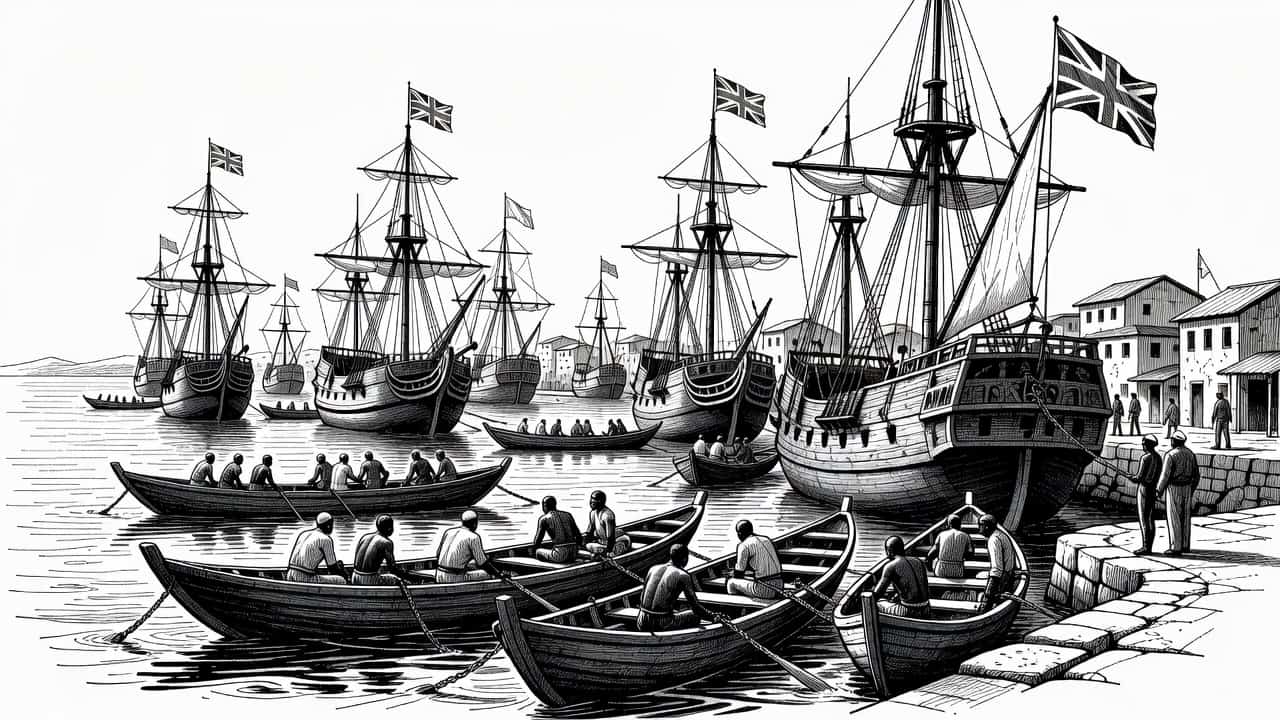
Should the UK pay reparations to countries from which British slave traders took slaves?
The verdict
The room chose closure over compensation, with the winning side arguing that “Regular people should not inherit the sins of 18th-century elites” and the Yes case barely heard.
0%
Yes
majority
majority
25% No
Votes395
Skipped184
You—
% voting yes, by leaning
—
—
—
—
—
—
—
H. Left
Left
C. Left
Centre
C. Right
Right
H. Right
Is Kemi Badenoch right to remove Mel Stride as shadow chancellor?
The verdict
“Growth faces are fine. Turmoil is not a policy” was the losing side’s sharpest line, as the chamber gave Badenoch’s removal of Mel Stride a decisive endorsement.

0%
Yes
majority
majority
33% No
Votes589
Skipped1
You—
% voting yes, by leaning
—
—
—
—
—
—
—
H. Left
Left
C. Left
Centre
C. Right
Right
H. Right
Is International Aid a luxury that the UK can no longer afford, given the level of the national debt?
The verdict
“Its a luxury we cannot afford period” captured a debt-first room: voters chose to treat international aid as discretionary, not untouchable.