0%
No
majority
majority
17% Yes
Votes1,230
Skipped10
You—
% voting yes, by leaning
—
—
—
—
—
—
—
H. Left
Left
C. Left
Centre
C. Right
Right
H. Right
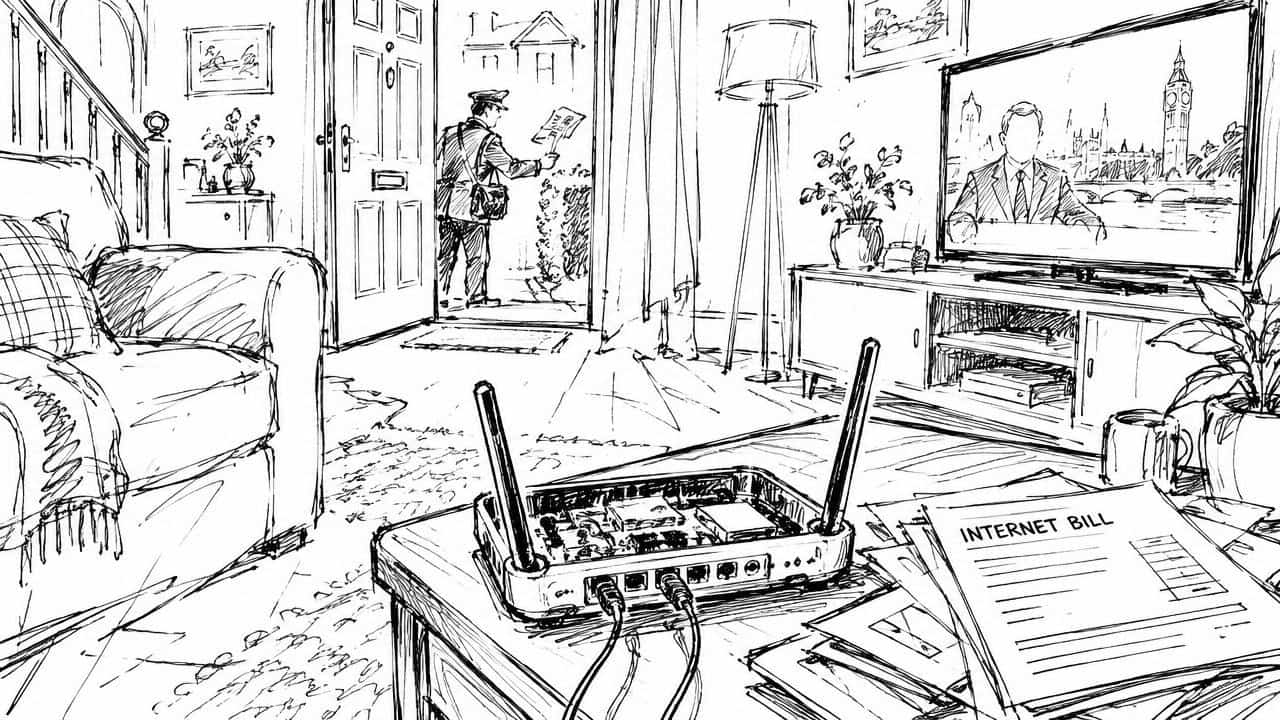
Should the BBC television licence fee be replaced with a compulsory £11-a-month charge on household internet bills?
The verdict
People who never watch the BBC would still pay under the proposed internet levy, and that objection carried the room: voters rejected the charge by a wide margin. The sharpest No argument was not about the BBC’s programmes but about making broadband, an everyday necessity, its collection point.

0%
No
majority
majority
33% Yes
Votes1,203
Skipped36
You—
% voting yes, by leaning
—
—
—
—
—
—
—
H. Left
Left
C. Left
Centre
C. Right
Right
H. Right
Should the UK government nationalise artificial intelligence infrastructure to ensure public control?
The verdict
“Turn the most transformative technology any of us will ever see into a political football” was one of the chamber’s sharpest warnings; No won by about two to one, with distrust of government carrying more weight than calls for public control.

0%
Yes
majority
majority
40% No
Votes1,221
Skipped13
You—
% voting yes, by leaning
—
—
—
—
—
—
—
H. Left
Left
C. Left
Centre
C. Right
Right
H. Right
Should the UK introduce a windfall tax on profits earned by banks?
The verdict
A No voter called it “Damaging companies destroys jobs”; voters here backed a bank windfall tax anyway, with the sharpest-rated argument belonging to the side that lost.
0%
Dead
heat
heat
Votes1,223
Skipped10
You—
% voting yes, by leaning
—
—
—
—
—
—
—
H. Left
Left
C. Left
Centre
C. Right
Right
H. Right
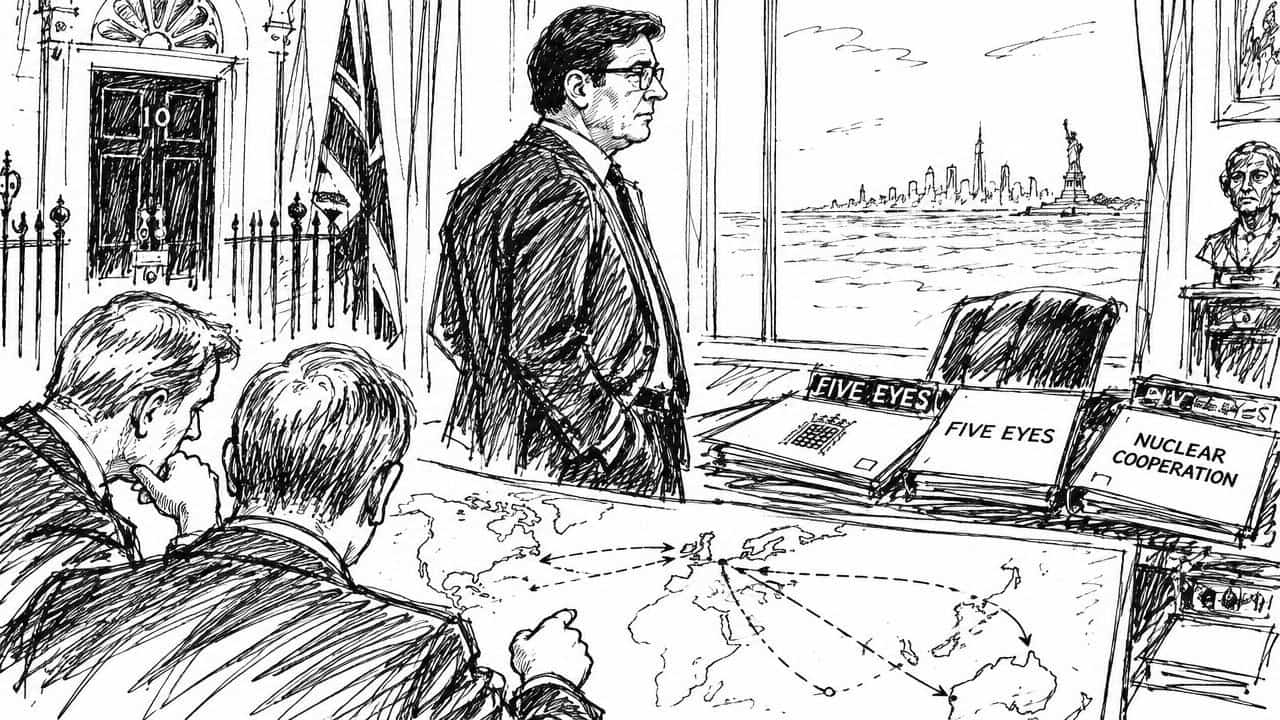
Should the UK recognise that the US is no longer a stable ally?
The verdict
No scraped through, but the room’s most respected arguments came from voters defending the alliance: one called it “More stable than our enemies.” The near-even split left little sense of a settled verdict.

0%
No
majority
majority
6% Yes
Votes1,203
Skipped29
You—
% voting yes, by leaning
—
—
—
—
—
—
—
H. Left
Left
C. Left
Centre
C. Right
Right
H. Right
Should the UK introduce smartphone laws to help increase birth rates?
The verdict
“People will have kids when their lives are stable and secure” was the argument the floor rated highest — and the one that put housing and wages ahead of smartphones.

0%
Yes
majority
majority
39% No
Votes1,212
Skipped12
You—
% voting yes, by leaning
—
—
—
—
—
—
—
H. Left
Left
C. Left
Centre
C. Right
Right
H. Right
Should indefinite leave to remain be abolished?
The verdict
Yes prevailed, but the strongest case for abolition came with a boundary: “It should not be abolished retrospectively.” The room backed change more readily than it backed undoing lives already built under the rules.
0%
No
majority
majority
38% Yes
Votes1,214
Skipped11
You—
% voting yes, by leaning
—
—
—
—
—
—
—
H. Left
Left
C. Left
Centre
C. Right
Right
H. Right
Should MPs in the UK face a term limit?
The verdict
“Voters, not rules, should decide when an MP should stand down”: No won, with the chamber’s strongest case resting on the ballot box and experience rather than a clock on parliamentary service.
0%
Yes
majority
majority
18% No
Votes1,219
Skipped12
You—
% voting yes, by leaning
—
—
—
—
—
—
—
H. Left
Left
C. Left
Centre
C. Right
Right
H. Right
Should rejoining the EU be decided by referendum rather than being a manifesto commitment?
The verdict
The vote for a referendum on rejoining was also, in many of its strongest voices, a vote against rejoining at all: Yes won decisively, but the floor’s leading argument was that no government should be allowed to reverse the Brexit decision without asking again. The highest-respected Yes arguments made the case through symmetry and consent: “Out by referendum,in by referendum,” as one put it. Others warned that bypassing voters would make any return look like “an illegitimate coup”; for them, the point was not to endorse rejoining but to insist that a decision of this scale could not be settled by manifesto or parliamentary manoeuvre alone. The No side’s most respected voice cut across the question’s terms: “No referendum. No manifesto. No going back.” That was a case against reopening the issue, not simply for leaving the choice to MPs. Another No voter allowed that a further vote “with the truth, the gains and losses clearly defined may be worth doing” — a rare opening towards the very mechanism the question proposed. The debate was less a contest over whether rejoining would be good than over who could authorise it. Some Yes voters said the 2016 decision bound governments until the public said otherwise; others insisted that successive governments had failed to deliver Brexit, and that another referendum would only prolong the argument. The room’s most-valued position was clear on the process, even where its destination was not. That is the vote’s constitutional message: a manifesto may state a direction, but for these voters it cannot close the question.
0%
No
majority
majority
36% Yes
Votes1,243
Skipped9
You—
% voting yes, by leaning
—
—
—
—
—
—
—
H. Left
Left
C. Left
Centre
C. Right
Right
H. Right
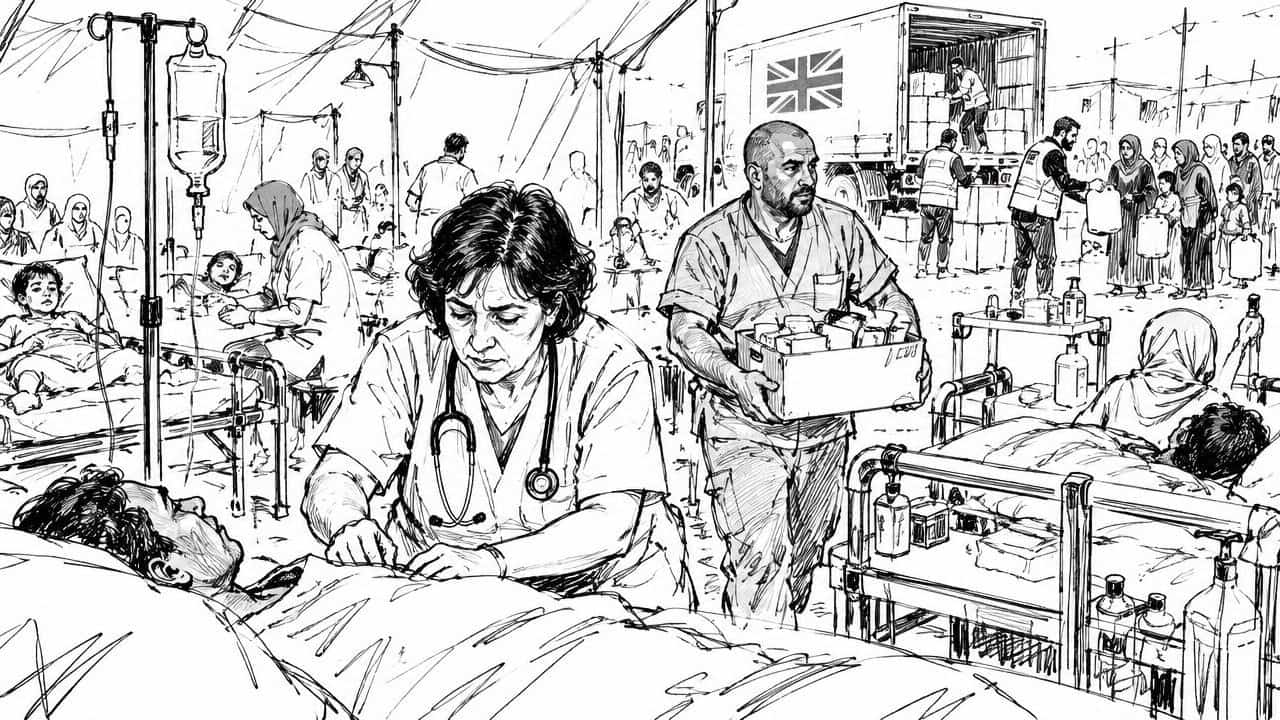
Should the UK provide £88m in public funding for humanitarian relief and recovery in Gaza?
The verdict
The chamber voted No, with the strongest voices warning that relief could be captured by Hamas; the smaller Yes case answered with an appeal to keep civilians alive, whatever the politics.

0%
Yes
majority
majority
48% No
Votes1,189
Skipped55
You—
% voting yes, by leaning
—
—
—
—
—
—
—
H. Left
Left
C. Left
Centre
C. Right
Right
H. Right
Does the government give young people enough influence over decisions that directly affect them?
The verdict
A vote about young people’s influence became, for many, a proxy fight over votes at 16: Yes won narrowly, while the chamber’s most-respected argument warned, “We will all need help” if that change came.
0%
Yes
majority
majority
45% No
Votes1,229
Skipped12
You—
% voting yes, by leaning
—
—
—
—
—
—
—
H. Left
Left
C. Left
Centre
C. Right
Right
H. Right
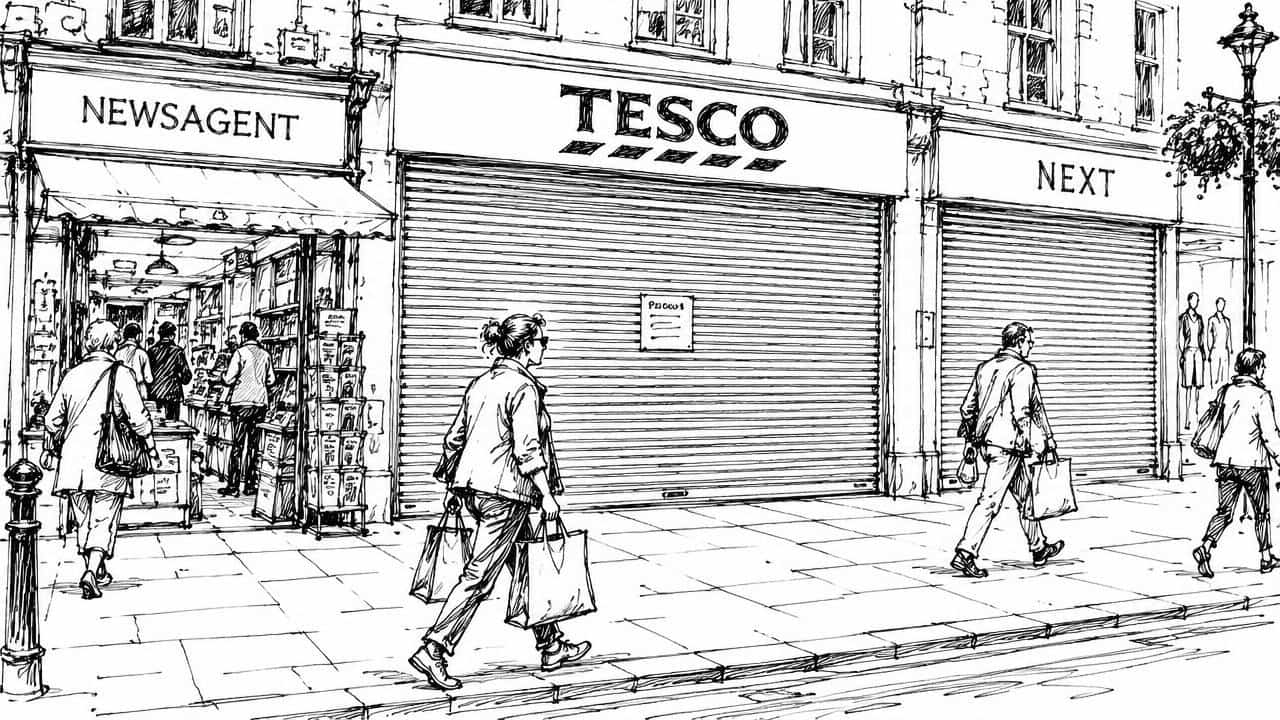
Should Sunday trading hour restrictions be scrapped for all shops in the UK?
The verdict
Sunday shopping’s proposed freedom won narrowly, but the floor’s most respected single argument came from a No voter wondering whether Yes supporters had ever worked retail. The split vote came with a sharper question than convenience alone: who gets to choose when shops open, and who has to staff them?
0%
Yes
majority
majority
23% No
Votes1,174
Skipped67
You—
% voting yes, by leaning
—
—
—
—
—
—
—
H. Left
Left
C. Left
Centre
C. Right
Right
H. Right
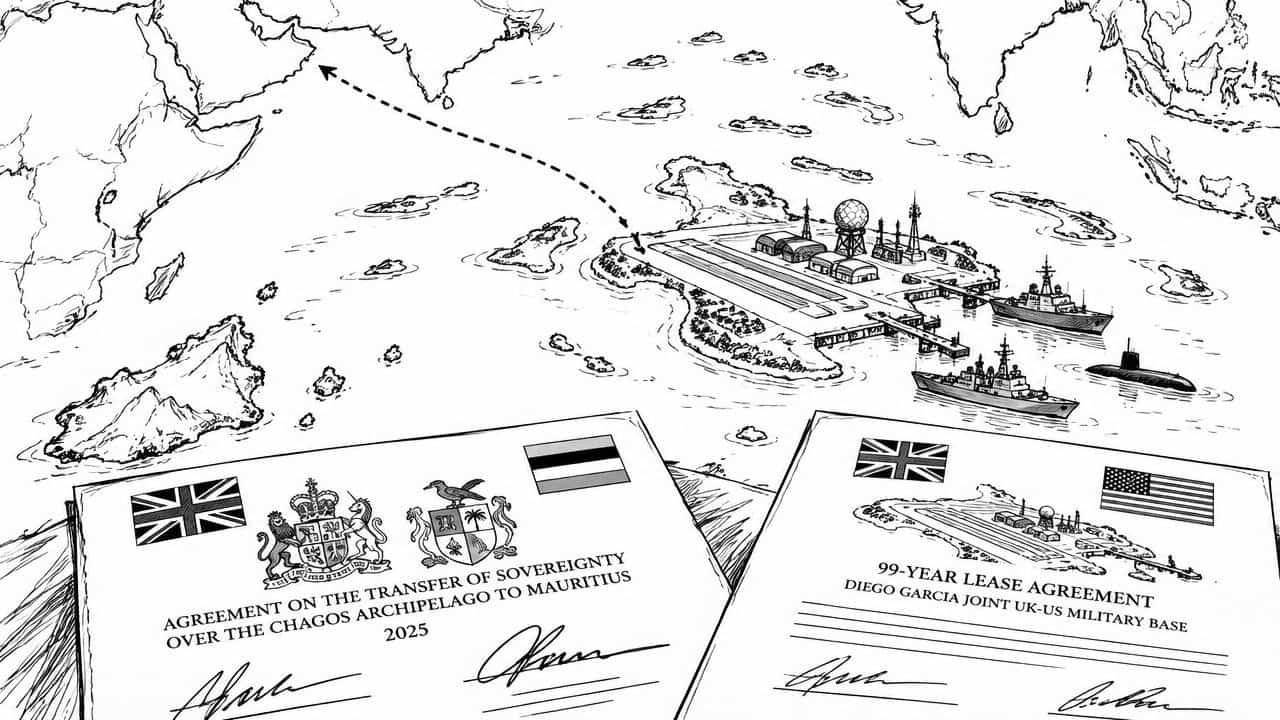
Does the Chagos Islands deal threaten UK-US security ties?
The verdict
“An incredibly bad deal” was the chamber’s dominant verdict: Yes won by more than three to one, with the strongest-respected argument warning that the arrangement could weaken control of a strategic asset.
0%
No
majority
majority
29% Yes
Votes1,227
Skipped20
You—
% voting yes, by leaning
—
—
—
—
—
—
—
H. Left
Left
C. Left
Centre
C. Right
Right
H. Right
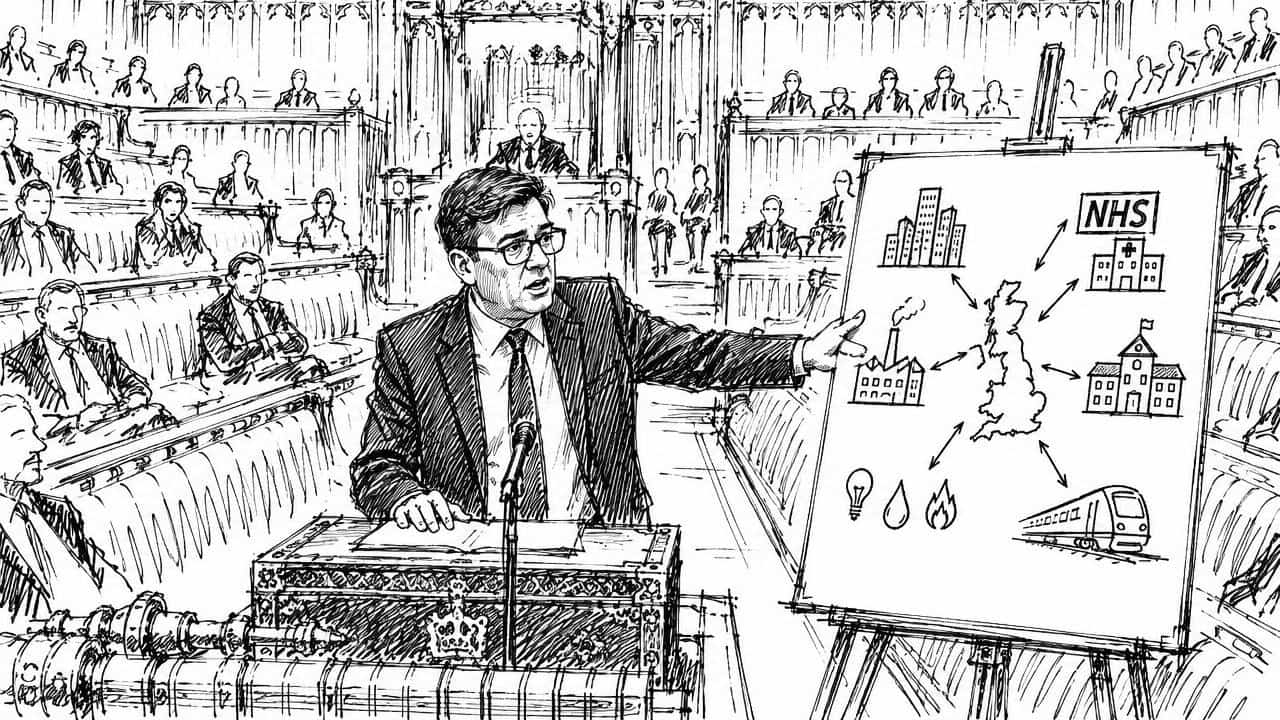
Should socialism be the basis of the UK’s economic system?
The verdict
No carried the vote decisively, while the floor’s most-respected argument asked a blunt question: “has any socialist state been a success ever”. The Yes case was less a defence of one model than a plea to rebalance the economy.

0%
Yes
majority
majority
15% No
Votes1,231
Skipped12
You—
% voting yes, by leaning
—
—
—
—
—
—
—
H. Left
Left
C. Left
Centre
C. Right
Right
H. Right
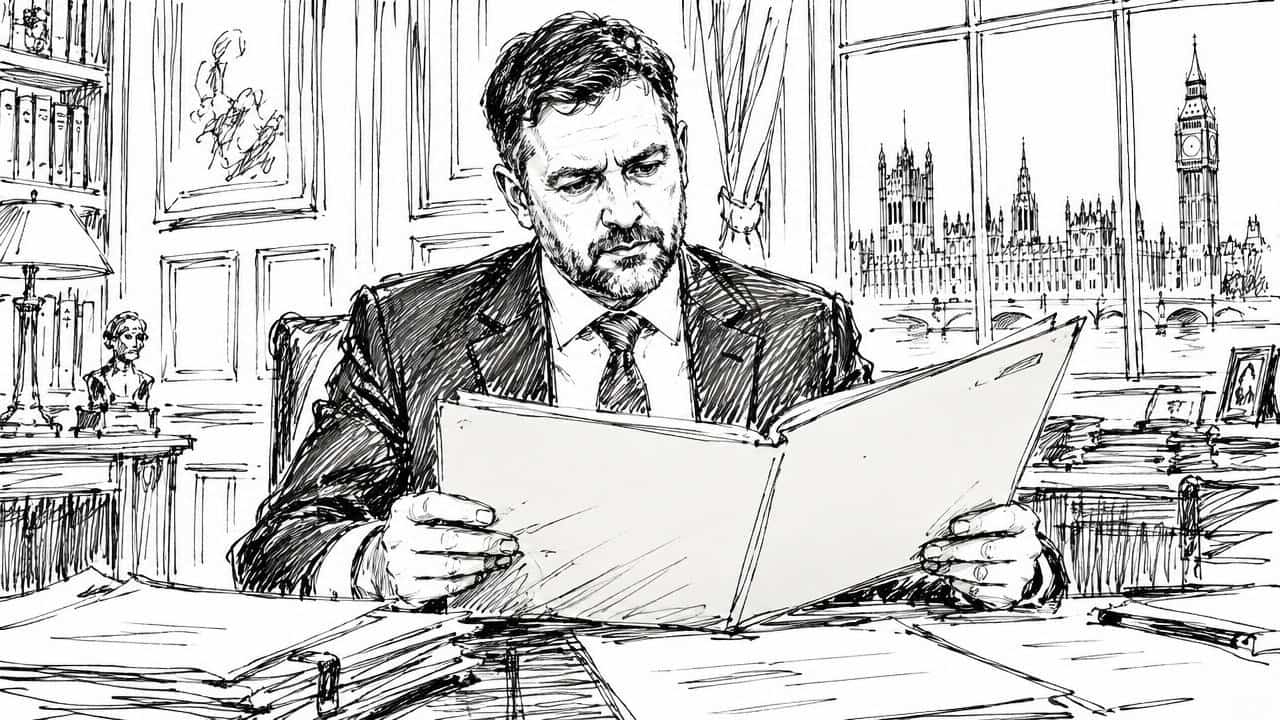
Should restricting UK public body internships to ethnic minorities be treated as unlawful discrimination?
The verdict
The floor’s strongest Yes argument called DEI “a poisonous ideology”; the argument it rated highest helped carry a decisive vote for treating minority-only public internships as unlawful discrimination. But the No voices were not defending exclusion so much as warning that open competition can preserve old barriers.
0%
Yes
majority
majority
17% No
Votes1,235
Skipped9
You—
% voting yes, by leaning
—
—
—
—
—
—
—
H. Left
Left
C. Left
Centre
C. Right
Right
H. Right
Should UK politicians be required to publish their tax returns?
The verdict
“Practice what you preach” was the strongest Yes case, and it carried the vote: a demand for disclosure framed less as curiosity about private finances than as scrutiny of public power.

0%
No
majority
majority
38% Yes
Votes1,206
Skipped38
You—
% voting yes, by leaning
—
—
—
—
—
—
—
H. Left
Left
C. Left
Centre
C. Right
Right
H. Right
Should the law banning alcohol in football stands (Sporting Events Act 1985) be scrapped?
The verdict
A familiar match-day ritual was put to a test and the room chose caution: No won. The strongest voices were not simply defending the law; they were arguing that a family day out and a hard-won change in football culture were worth protecting.
0%
No
majority
majority
30% Yes
Votes1,143
Skipped49
You—
% voting yes, by leaning
—
—
—
—
—
—
—
H. Left
Left
C. Left
Centre
C. Right
Right
H. Right
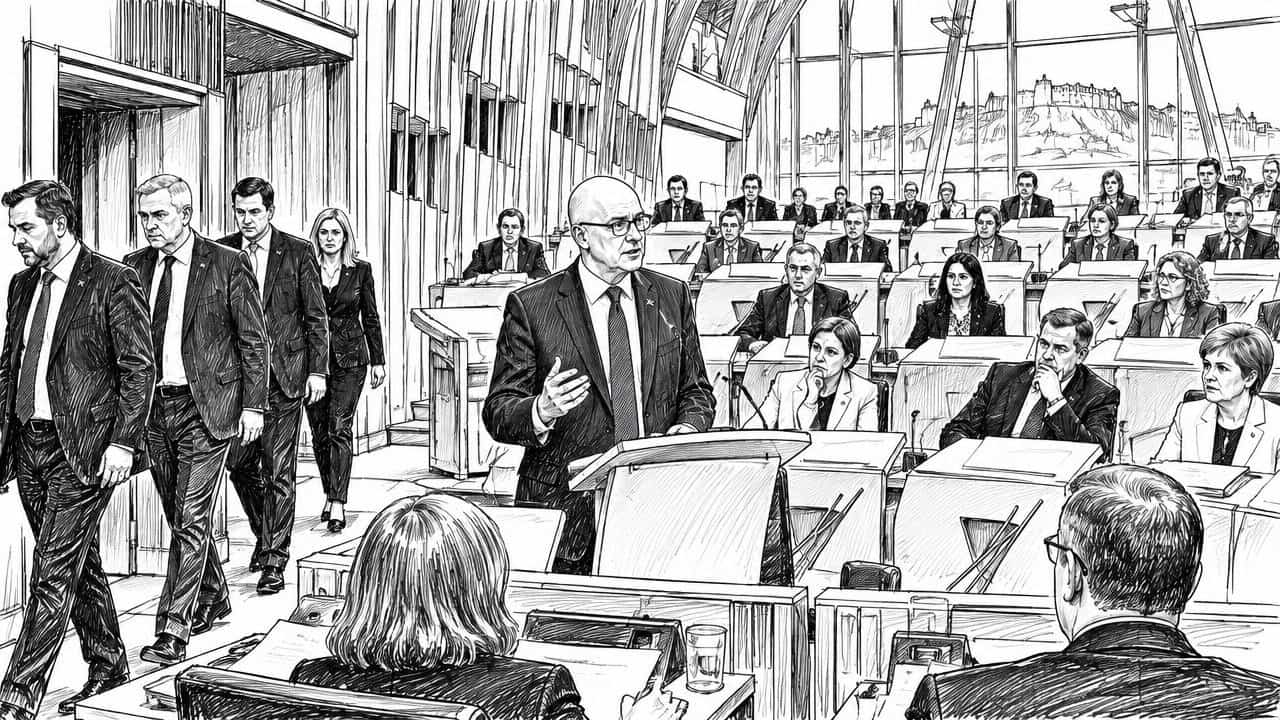
Should Holyrood spend time debating Scottish independence?
The verdict
Holyrood’s right to debate independence found a defence here, but not enough to overcome the charge that it should be governing instead: No won decisively. The room’s most respected voices were less interested in the constitutional destination than in what MSPs were doing with their time.

0%
Yes
majority
majority
47% No
Votes1,149
Skipped39
You—
% voting yes, by leaning
—
—
—
—
—
—
—
H. Left
Left
C. Left
Centre
C. Right
Right
H. Right
Should private landlords be allowed to deduct their buy-to-let (BTL) mortgage interest as a business expense for tax?
The verdict
A narrow Yes majority backed the claim that borrowed money is a real business cost, not taxable profit: the floor’s strongest-rated argument said landlords should be taxed on “their genuine economic profit”.
0%
No
majority
majority
25% Yes
Votes1,170
Skipped19
You—
% voting yes, by leaning
—
—
—
—
—
—
—
H. Left
Left
C. Left
Centre
C. Right
Right
H. Right
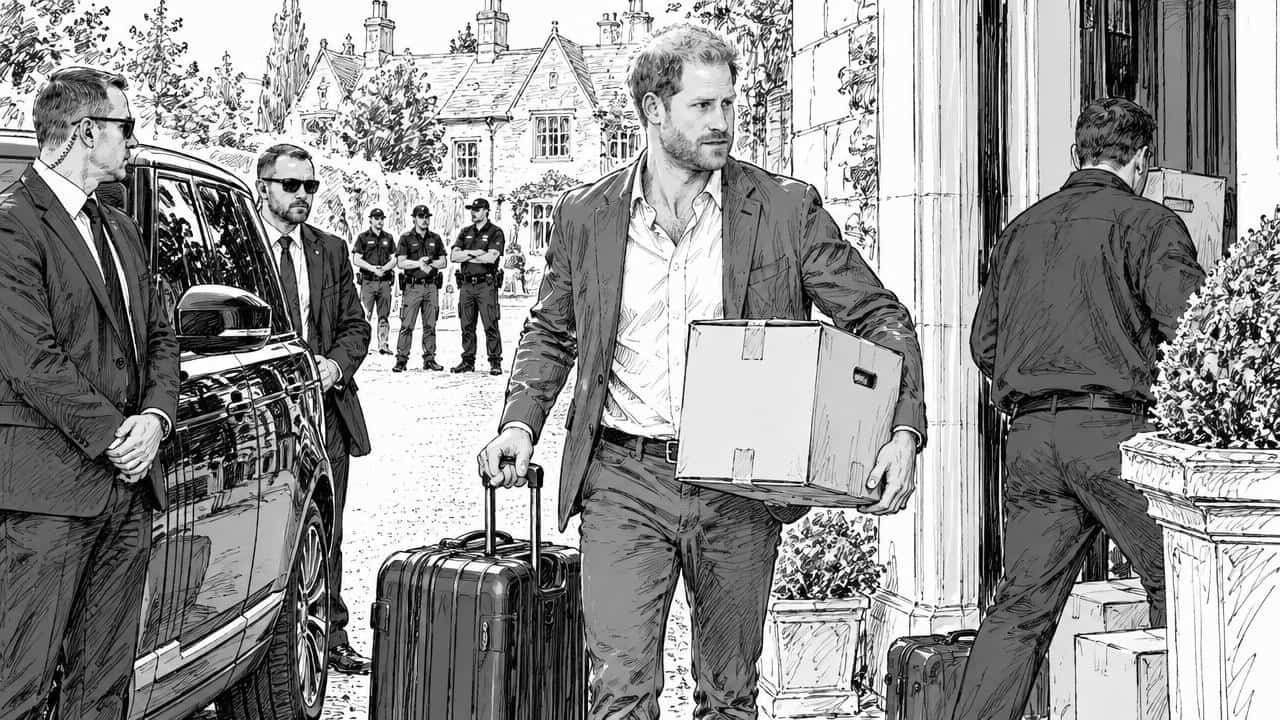
Should the UK Government cover Prince Harry's security requirements whilst he is resident in the UK?
The verdict
The argument for protection was that royal birth creates a public obligation; the answer voters gave was that stepping away from royal duties also means stepping away from the public bill. No prevailed by almost three to one, with the chamber’s most-respected Yes case conceding that what the family expects may not be what voters consider adequate.
0%
No
majority
majority
38% Yes
Votes1,168
Skipped21
You—
% voting yes, by leaning
—
—
—
—
—
—
—
H. Left
Left
C. Left
Centre
C. Right
Right
H. Right
Is the term "far-left" used too broadly in UK politics and media?
The verdict
The “far-left” label, voters here argued, is more conspicuous by its absence than by its overuse: No won, and the floor’s most-respected voices said the media reach for its mirror-image far more readily.

0%
Yes
majority
majority
46% No
Votes1,172
Skipped24
You—
% voting yes, by leaning
—
—
—
—
—
—
—
H. Left
Left
C. Left
Centre
C. Right
Right
H. Right
Should the UK establish a "National Centre for Information Defence" to counter foreign information attacks?
The verdict
The centre won approval, but the room’s most-respected warnings came from those who feared it would police dissent: the case for defence had to share the floor with deep suspicion of the state.

0%
No
majority
majority
29% Yes
Votes1,182
Skipped14
You—
% voting yes, by leaning
—
—
—
—
—
—
—
H. Left
Left
C. Left
Centre
C. Right
Right
H. Right
Is the United Nations (UN) still fit for purpose?
The verdict
“Powerless” was the word one of the floor’s most-respected critics used, and No won decisively. Yet the argument was not simply that the UN does nothing: even its opponents acknowledged the value of the aid it delivers.
0%
Yes
majority
majority
37% No
Votes1,160
Skipped27
You—
% voting yes, by leaning
—
—
—
—
—
—
—
H. Left
Left
C. Left
Centre
C. Right
Right
H. Right
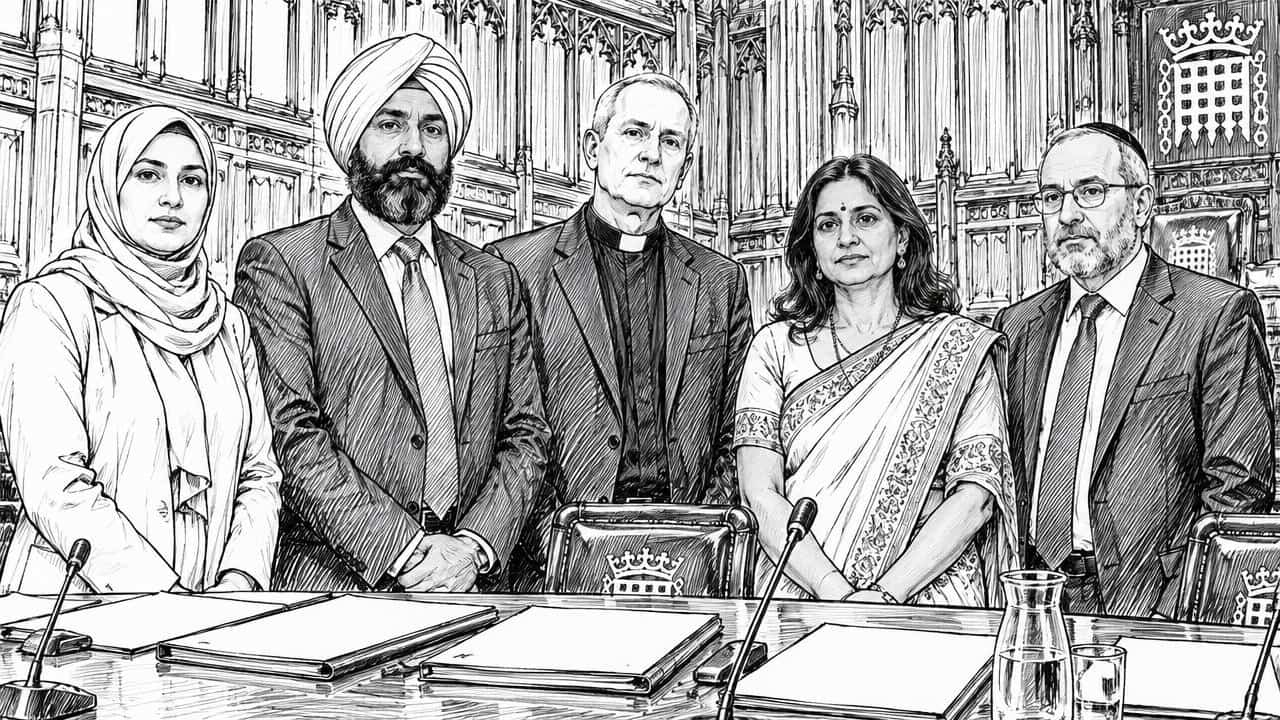
Should the UK Government extend its Islamophobia guidelines to cover all religions?
The verdict
A Yes majority backed extending the guidelines, but the floor’s most-respected voices were No voters arguing that no religion should have special protection: “There should be no blasphemy laws for any religions.”
0%
Yes
majority
majority
33% No
Votes1,146
Skipped39
You—
% voting yes, by leaning
—
—
—
—
—
—
—
H. Left
Left
C. Left
Centre
C. Right
Right
H. Right
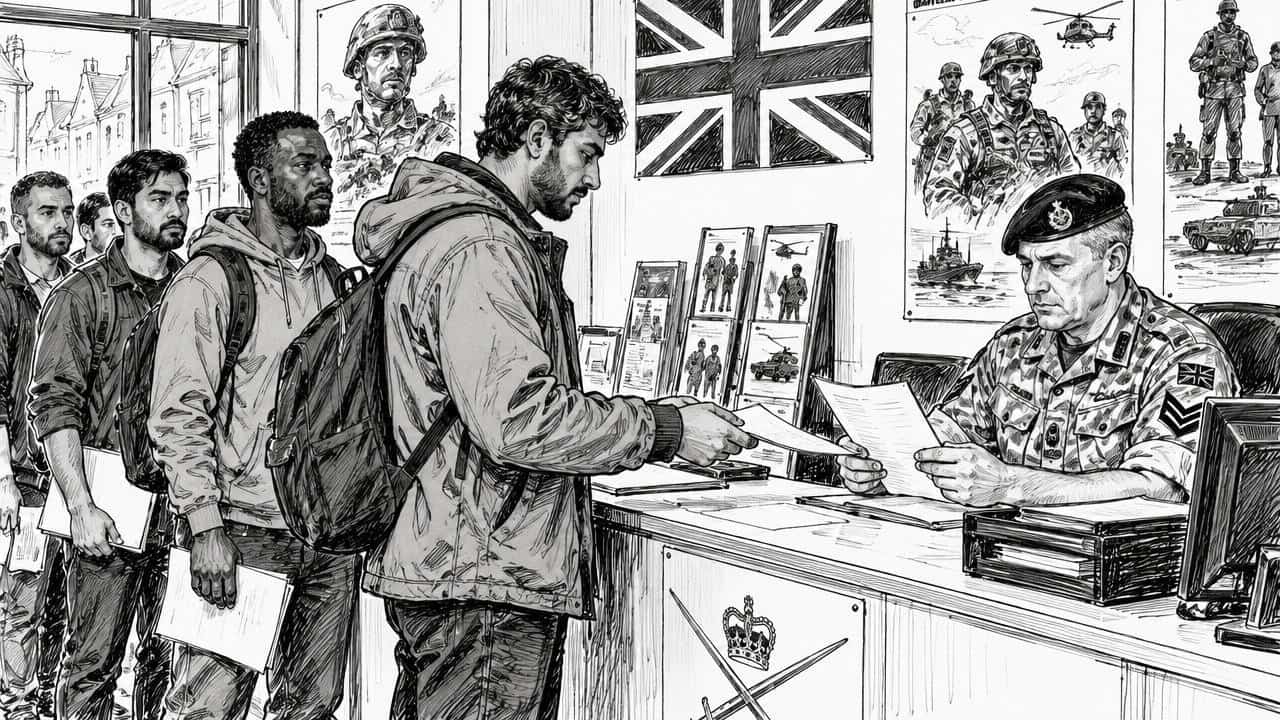
Should able-bodied migrants serve in the military during a wartime emergency?
The verdict
Long-term residents, not an open-ended invitation to arm anyone who arrives, became the dividing line in a decisive Yes vote. The floor’s best-rated case made service a reciprocal duty; its sharpest No voices saw a security risk.